


Fire Symbols: Safety Signage and Cultural Meaning
Fire symbols serve as universal visual language in safety communication, transcending linguistic barriers to convey immediate danger and necessary precautions. These standardised icons appear across industrial facilities, commercial buildings, and public spaces worldwide, providing critical information about fire hazards, emergency equipment locations, and evacuation procedures. Understanding the regulatory requirements, design principles, and cultural significance behind fire symbols ensures compliance whilst creating safer working environments for employees and visitors alike.
Regulatory Standards for Fire Symbols in South Africa
The South African National Standard (SANS) 1186 establishes comprehensive requirements for safety signage, including fire symbols used throughout commercial and industrial premises. This standard aligns with international ISO 7010 guidelines whilst addressing specific local safety regulations.
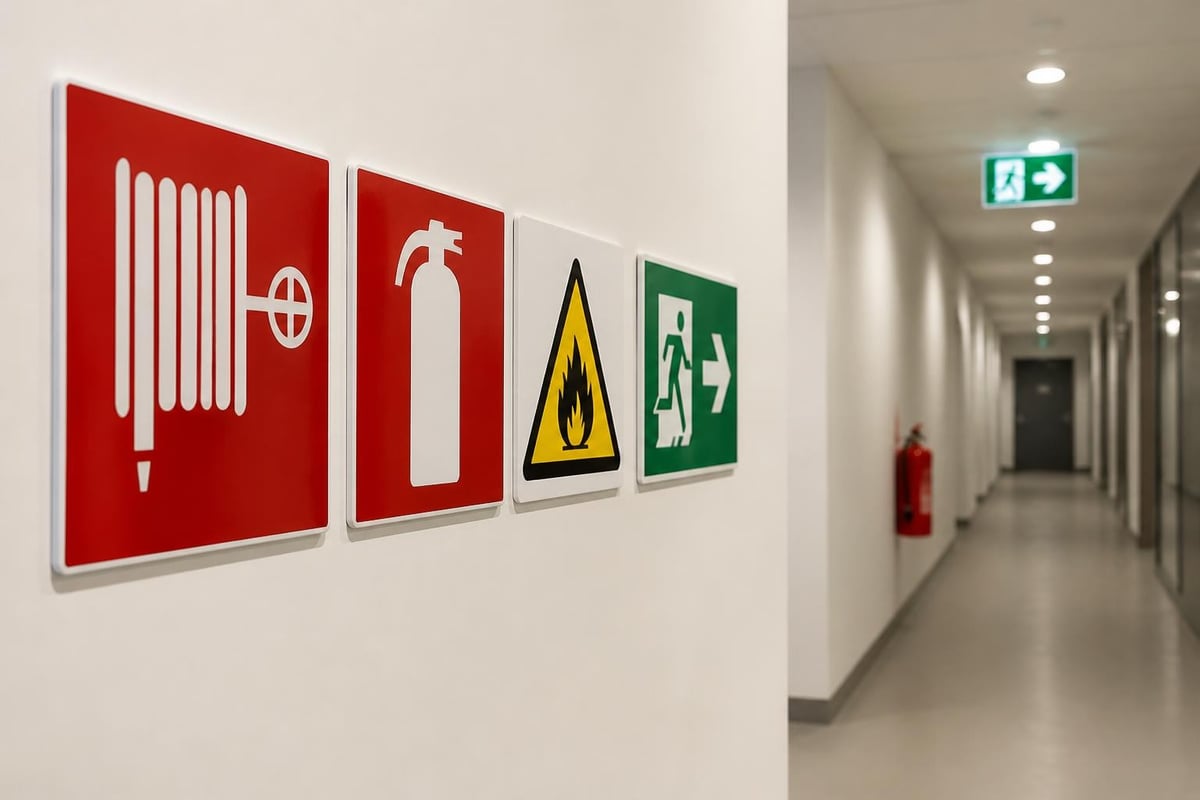
Fire symbols must meet precise specifications regarding colour, shape, and pictogram design. Red circular backgrounds indicate prohibition signs, whilst red squares or rectangles denote fire equipment locations. Triangular yellow borders communicate fire hazards and warnings.
Mandatory Fire Equipment Symbols
Every workplace must display appropriate symbols identifying fire safety equipment locations. These standardised markers ensure rapid equipment access during emergencies.
| Symbol Type | Background Colour | Pictogram | Purpose |
|---|---|---|---|
| Fire Extinguisher | Red | White extinguisher icon | Equipment location |
| Fire Hose Reel | Red | White hose reel | Emergency suppression |
| Fire Blanket | Red | White blanket icon | Small fire containment |
| Emergency Assembly Point | Green | White gathering symbol | Evacuation destination |
The Occupational Health and Safety Act (OHSA) mandates visible signage placement at heights between 1.5 and 2 metres, ensuring visibility across diverse facility layouts. Symbols must remain unobstructed, well-lit, and regularly maintained to preserve their effectiveness.
Fire Hazard Warning Symbols
Warning symbols alert personnel to potential fire risks before incidents occur. These preventative markers prove essential in facilities handling flammable materials, combustible substances, or heat-generating equipment.
The triangular yellow warning format immediately captures attention. Black pictograms against yellow backgrounds create maximum visual contrast, particularly effective in low-light industrial environments.
Common fire hazard symbols include:
- Flammable materials warning (flame pictogram)
- Oxidising substances caution (flame over circle)
- Hot surface alerts (radiating heat lines)
- No smoking prohibition (cigarette with diagonal line)
- No naked flames restriction (crossed-out flame)
These symbols must appear prominently near storage areas containing flammable liquids, chemical processing zones, welding stations, and boiler rooms. Supplementary text panels may accompany pictograms where additional specification proves necessary for compliance.
Historical and Cultural Significance of Fire Symbols
Fire symbols carry profound meaning across human civilisation, extending far beyond modern safety applications. Archaeological evidence demonstrates fire's symbolic importance from prehistoric times, with Mesolithic fireplaces serving as focal points for social gathering and ritual during the Early Holocene period.
Throughout history, flame imagery represented transformation, purification, and divine presence. Religious traditions worldwide incorporate fire symbols into sacred architecture, ceremonial objects, and scriptural texts. This deep cultural resonance influences how contemporary audiences perceive fire-related signage.
Fire in Symbolism and Communication
Modern fire symbols inherit thousands of years of cultural association. The flame represents energy, passion, destruction, and renewal simultaneously-a duality that makes fire imagery particularly powerful in visual communication.
Fire symbolism appears extensively in literary, religious, and political contexts, from ancient texts to contemporary movements. Understanding these associations helps safety professionals appreciate why fire symbols command immediate attention and respect from diverse populations.
Political authority historically employed fire symbolism to demonstrate power and sovereignty. Academic research documents how fireworks performances communicated messianic authority across Mediterranean cultures during the early modern period, establishing visual languages of dominance that persist in modified forms today.
Digital Fire Symbols and Unicode Standards
The digital age introduced standardised fire symbols for electronic communication. The Unicode Standard defines specific codepoints for fire emoji and related pictographs, ensuring consistent representation across platforms and devices.
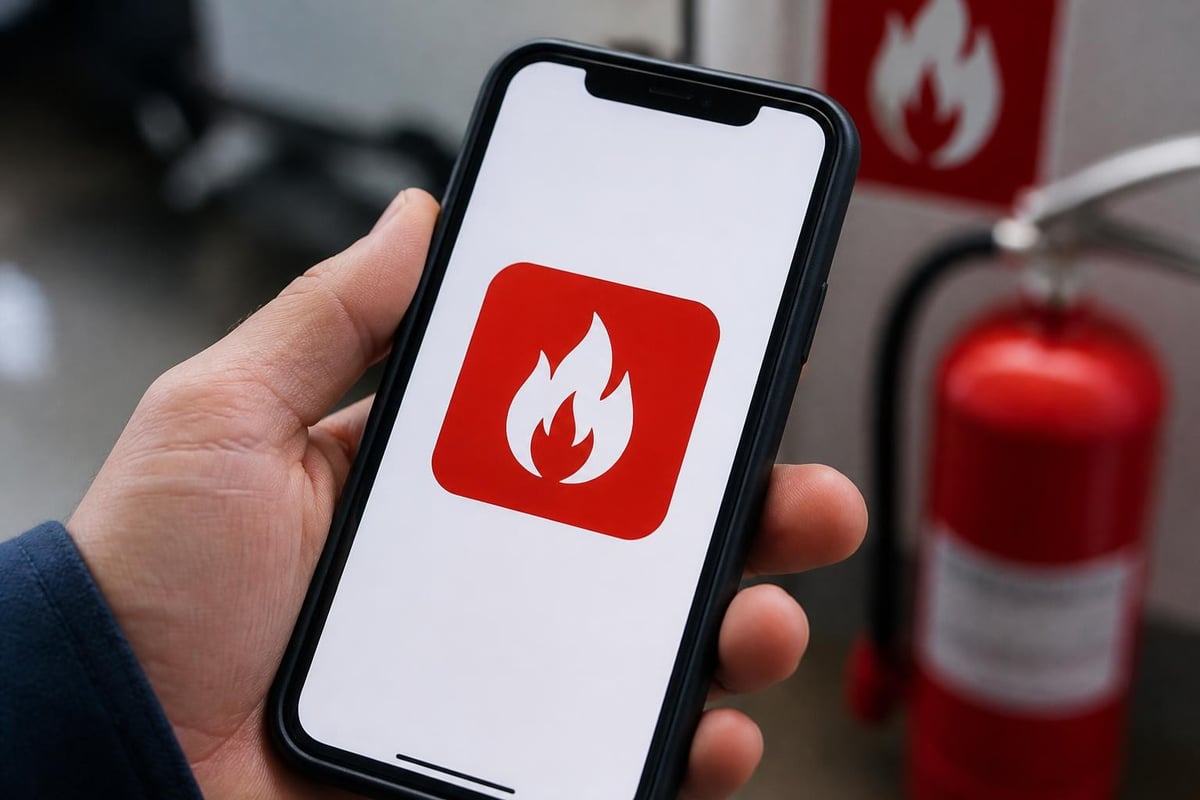
Fire emoji (U+1F525) appears frequently in safety applications, training materials, and emergency communication systems. However, regulatory compliance requires proper ISO-standard pictograms rather than decorative emoji for official signage.
Digital fire symbol applications include:
- Safety management software interfaces
- Mobile emergency response applications
- Digital building information modelling (BIM)
- Electronic safety data sheets (e-SDS)
- Online training platforms and e-learning modules
Web-based safety documentation must balance accessibility requirements with visual clarity. Alternative text descriptions accompanying fire symbols ensure screen readers convey appropriate warnings to visually impaired users.
Implementing Fire Symbols in Workplace Safety Programs
Effective fire safety signage extends beyond regulatory compliance, forming integral components of comprehensive workplace safety cultures. Strategic symbol placement, employee training, and regular audits maximise protective benefits.
Site Assessment and Symbol Placement
Facilities managers must conduct thorough assessments identifying all locations requiring fire symbols. This process examines fire risks, equipment positions, evacuation routes, and assembly points.
Assessment checklist considerations:
- Flammable material storage zones
- Heat-generating equipment locations
- Fire extinguisher accessibility points
- Emergency exit pathways
- Evacuation assembly areas
- Fire alarm activation stations
- Sprinkler system controls
- Fire door locations
Symbol density varies by facility type. Manufacturing plants with multiple hazard zones require more extensive signage than standard office environments. However, excessive symbols create visual clutter that diminishes effectiveness.
Mounting height, viewing angles, and lighting conditions affect symbol visibility. Reflective materials enhance night-time visibility, whilst illuminated signs prove essential for emergency egress routes.
Fire Symbol Colour Psychology and Recognition
Colour selection in fire symbols follows psychological principles maximising immediate recognition and appropriate behavioural responses. Red universally signals danger, urgency, and required action across cultures.
| Colour | Psychological Response | Fire Symbol Application |
|---|---|---|
| Red | Danger, urgency, stop | Equipment locations, prohibitions |
| Yellow | Caution, attention | Hazard warnings, flammable materials |
| Green | Safety, permission, go | Emergency exits, safe zones |
| Blue | Mandatory action | Required PPE near fire zones |
Research demonstrates red captures attention faster than other colours, triggering instinctive alert responses. This neurological reaction makes red ideal for fire-related warnings requiring immediate recognition.
Colour-blind individuals represent approximately 8% of male populations, necessitating symbols combining colour with distinctive shapes and pictograms. Triangular, circular, and rectangular borders provide shape-based recognition supporting colour-deficient vision.
Maintaining Symbol Effectiveness Over Time
Fire symbols deteriorate through environmental exposure, physical damage, and accumulated dirt or grime. Regular maintenance schedules preserve symbol visibility and regulatory compliance.
Maintenance requirements include:
- Quarterly cleaning using appropriate non-abrasive methods
- Bi-annual inspections for fading or damage
- Immediate replacement of obscured or damaged symbols
- Annual compliance audits verifying current standards
- Documentation of all maintenance activities
Outdoor symbols face accelerated deterioration from UV exposure, temperature fluctuations, and weather conditions. UV-resistant materials and protective coatings extend symbol lifespan in challenging environments.

Training Employees on Fire Symbol Recognition
Even perfectly designed symbols prove ineffective without proper employee understanding. Comprehensive safety inductions must include fire symbol recognition training, ensuring all personnel interpret signage correctly during normal operations and emergencies.
Induction Training Components
New employees require systematic introduction to facility-specific fire symbols during orientation programmes. Training should extend beyond simple identification, explaining the reasoning behind symbol placement and appropriate responses.
Essential training elements:
- Symbol meaning and classification systems
- Location of fire equipment throughout premises
- Evacuation route identification markers
- Assembly point designation symbols
- Prohibited actions in fire-risk zones
- Emergency alarm activation procedures
Interactive training methods improve retention rates. Physical walkthroughs identifying actual symbols throughout facilities prove more effective than classroom-only instruction. Digital simulations complement physical training, allowing repetitive practice without disrupting operations.
Multilingual workforces benefit from symbols' universal pictographic nature, though supplementary translation may prove necessary for detailed text warnings. Regular refresher training maintains awareness as new symbols appear or regulations change.
Specialised Fire Symbols for Industry-Specific Applications
Different industries require tailored fire symbols addressing unique hazards. Chemical processing, petroleum storage, electrical installations, and healthcare facilities each present distinct fire risks necessitating specialised signage.
Chemical and Hazardous Material Facilities
The Globally Harmonized System (GHS) establishes specific pictograms for chemical fire hazards. Diamond-shaped symbols communicate flash points, auto-ignition temperatures, and explosive potential.
| GHS Pictogram | Hazard Category | Fire Symbol Application |
|---|---|---|
| Flame | Flammables | Liquids, aerosols, gases |
| Flame over circle | Oxidisers | Oxygen-enhancing substances |
| Exploding bomb | Explosives | Unstable reactive materials |
| Flame with exclamation | Self-reactives | Organic peroxides |
These symbols must appear on chemical containers, storage area entrances, and safety data sheet documentation. Facilities handling multiple chemical categories require layered signage systems preventing confusion whilst maintaining comprehensive warnings.
Petroleum storage installations follow additional SANS 10089 requirements specifying symbol sizes, mounting positions, and supplementary hazard communication. Tank farms, fuel dispensing areas, and pipeline corridors demand extensive fire symbol coverage.
Electrical Fire Hazard Symbols
Electrical installations present unique fire risks requiring specialised warning symbols. Standard fire extinguisher symbols must include supplementary markings indicating appropriate extinguisher types for electrical fires.
Class E fire extinguisher symbols feature distinct colour coding and pictograms indicating safe use on live electrical equipment. Using water-based extinguishers on electrical fires creates electrocution hazards, making proper symbol differentiation critical for personnel safety.
Electrical switchgear, transformer yards, and battery storage facilities require fire symbols positioned where operators immediately recognise hazards before commencing work. Arc flash warnings complement fire symbols in high-voltage environments.
International Variations in Fire Symbol Standards
Whilst ISO 7010 promotes global standardisation, regional variations persist across jurisdictions. South African facilities with international operations must understand these differences for multinational compliance.
American NFPA (National Fire Protection Association) standards employ diamond-shaped hazard symbols with numerical rating systems. European EN regulations align closely with ISO standards but include specific national modifications. Asian markets follow varying combinations of international and indigenous standards.
Key international differences:
- Colour shade specifications and tolerances
- Pictogram detail levels and complexity
- Supplementary text requirements and languages
- Symbol size calculations based on viewing distances
- Reflectivity standards for emergency lighting conditions
Companies operating across borders benefit from adopting ISO 7010 as baseline standards, adding jurisdiction-specific modifications where legally required. This approach minimises symbol proliferation whilst ensuring comprehensive compliance.
Emerging Technologies in Fire Symbol Applications
Smart building technologies integrate fire symbols into digital emergency management systems. Electronic displays update dynamically during incidents, directing evacuees away from affected zones through modified signage.
Augmented reality (AR) applications overlay fire symbol information onto physical environments through smartphone cameras. Facility managers conduct virtual inspections, maintenance personnel access installation specifications, and emergency responders view real-time hazard data through AR-enhanced symbols.
Building Information Modelling (BIM) software incorporates fire symbols into 3D facility models, enabling virtual walkthroughs during planning phases. This technology identifies optimal symbol placement before physical installation, reducing costly repositioning.
Photoluminescent symbols eliminate electricity requirements, absorbing ambient light and glowing during power failures. These passive systems provide reliable emergency guidance without batteries or external power sources, particularly valuable for evacuation route marking.
Fire symbols constitute essential safety infrastructure, combining regulatory compliance with millennia of cultural meaning to protect lives and property. Understanding proper symbol selection, placement, and maintenance ensures your facility meets legal requirements whilst fostering genuine safety awareness amongst employees and visitors. Whether you need compliant fire equipment markers, hazard warnings, or evacuation signage, SafetySignsForSale provides comprehensive solutions meeting SANS 1186 standards across all industry applications, backed by expert guidance ensuring your workplace achieves optimal fire safety communication.