


First Aid Kits: Essential Guide for 2026
Every workplace, vehicle, and home requires immediate access to medical supplies when accidents occur. First aid kits serve as the frontline defence against injuries, providing critical resources that can prevent minor incidents from escalating into serious medical emergencies. Whether you manage a construction site, operate a retail establishment, or simply want to protect your family, understanding how to select, stock, and maintain these essential safety resources ensures you're prepared when seconds count.
Understanding First Aid Kit Requirements
Modern first aid kits must address diverse scenarios ranging from minor cuts to life-threatening emergencies. The contents and size of your kit depend on several factors including the number of people it serves, the nature of potential hazards, and your distance from professional medical facilities.
Workplace vs Home First Aid Kits
Workplace environments face unique risks that household kits may not adequately address. Industrial settings require expanded supplies for burns, eye injuries, and severe lacerations, whilst office environments typically need basic provisions for minor injuries.
Key differences include:
- Volume of supplies: Workplaces need quantities proportional to employee headcount
- Specialized items: Industry-specific equipment such as burn dressings or eye wash stations
- Regulatory compliance: Occupational health and safety legislation mandates minimum contents
- Accessibility: Multiple kits positioned strategically across larger facilities
- Restocking frequency: Higher usage rates demand more rigorous inventory management
Home kits prioritize portability and versatility, serving families during everyday accidents and outdoor activities. These compact solutions balance comprehensive coverage with practical storage constraints.
Regulatory Standards and Compliance
South African workplaces must comply with the Occupational Health and Safety Act, which stipulates minimum first aid provisions based on workplace hazards and employee numbers. Regulations require employers to conduct risk assessments identifying potential injuries and ensuring appropriate medical supplies remain accessible.
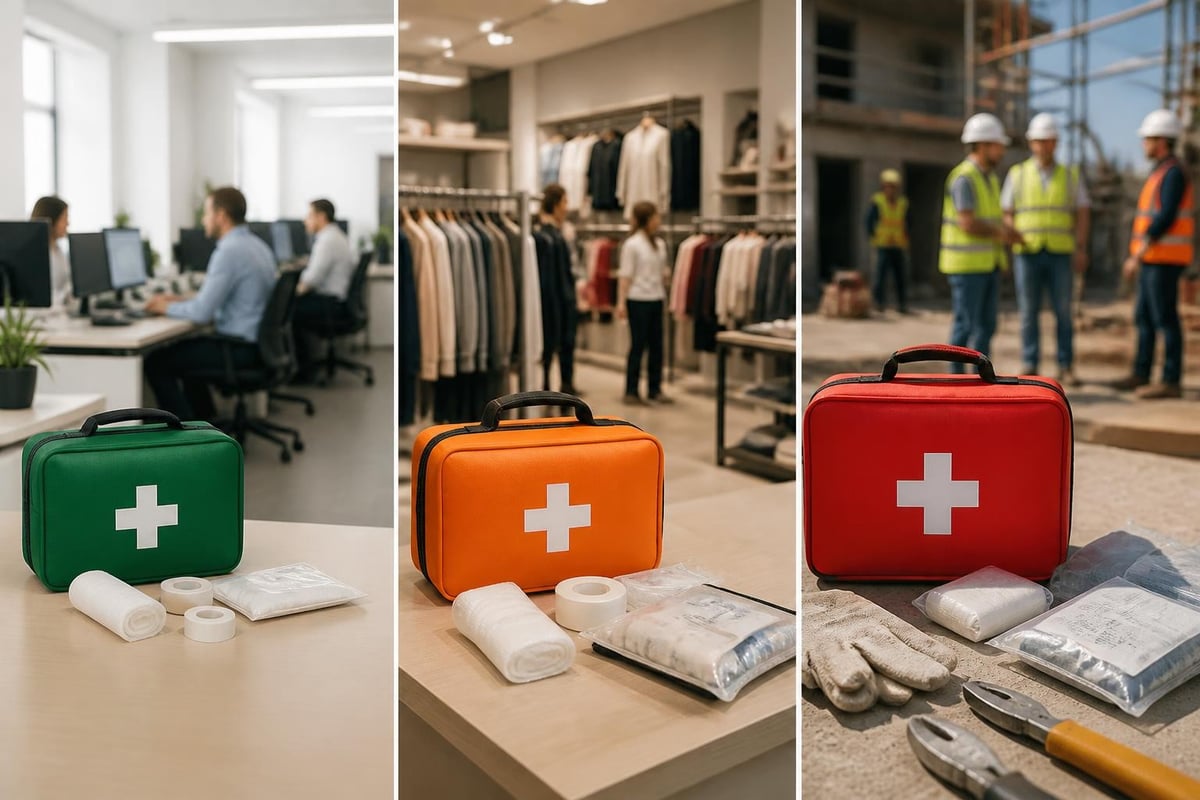
Different industries face distinct compliance obligations. Food service establishments need additional provisions for burns and cuts, whilst construction sites require eye wash solutions and trauma supplies. Regular audits verify that kits meet current standards and remain fully stocked.
Essential Contents of First Aid Kits
A properly equipped kit contains items addressing the most common injuries whilst preparing for serious emergencies. The Red Cross recommends specific categories that form the foundation of any comprehensive medical supply collection.
Core Medical Supplies
Every first aid kit requires fundamental items that address bleeding, infection prevention, and basic wound care:
| Supply Category | Specific Items | Primary Use |
|---|---|---|
| Wound Care | Adhesive bandages (various sizes), sterile gauze pads, medical tape | Minor cuts, abrasions, blisters |
| Bleeding Control | Compression bandages, trauma dressings, tourniquet | Severe bleeding, hemorrhage control |
| Infection Prevention | Antiseptic wipes, antibiotic ointment, hand sanitizer | Cleaning wounds, preventing contamination |
| Tools | Scissors, tweezers, safety pins, disposable gloves | Cutting tape, removing splinters, protection |
Beyond these basics, include instant cold packs for reducing swelling, burn dressings for thermal injuries, and eye wash solution for chemical or particle exposure. Disposable gloves protect both the injured person and the first aider from cross-contamination.
Medications and Emergency Treatments
Over-the-counter medications expand your capability to manage pain, allergic reactions, and common ailments:
- Pain relievers: Paracetamol and ibuprofen for headaches, muscle pain, and fever
- Antihistamines: Tablets or liquid for allergic reactions and insect stings
- Aspirin: Specifically for suspected cardiac events (adult dosage only)
- Hydrocortisone cream: Topical treatment for rashes and minor skin irritations
- Oral rehydration salts: Essential for treating dehydration from heat exposure or illness
Always verify expiration dates on medications and replace them proactively. Individual medical needs may require additional prescription items such as EpiPens for severe allergies or inhalers for asthma sufferers.
Specialized Equipment for Different Environments
Certain settings demand equipment beyond standard provisions. The STOP THE BLEED program emphasizes hemorrhage control items that can save lives during severe trauma, making tourniquets and haemostatic gauze increasingly common in workplace kits.
Vehicle kits should include:
- Reflective safety vest for roadside visibility
- Emergency blanket for shock or exposure
- Flashlight with extra batteries
- Emergency contact cards
Outdoor and sports kits benefit from:
- Blister treatment and moleskin
- Elastic bandages for sprains
- Insect sting relief
- Snake bite instructions
Manufacturing and industrial environments require face shields, emergency eyewash bottles, and burn gel specifically formulated for chemical exposure.
Selecting the Right First Aid Kit
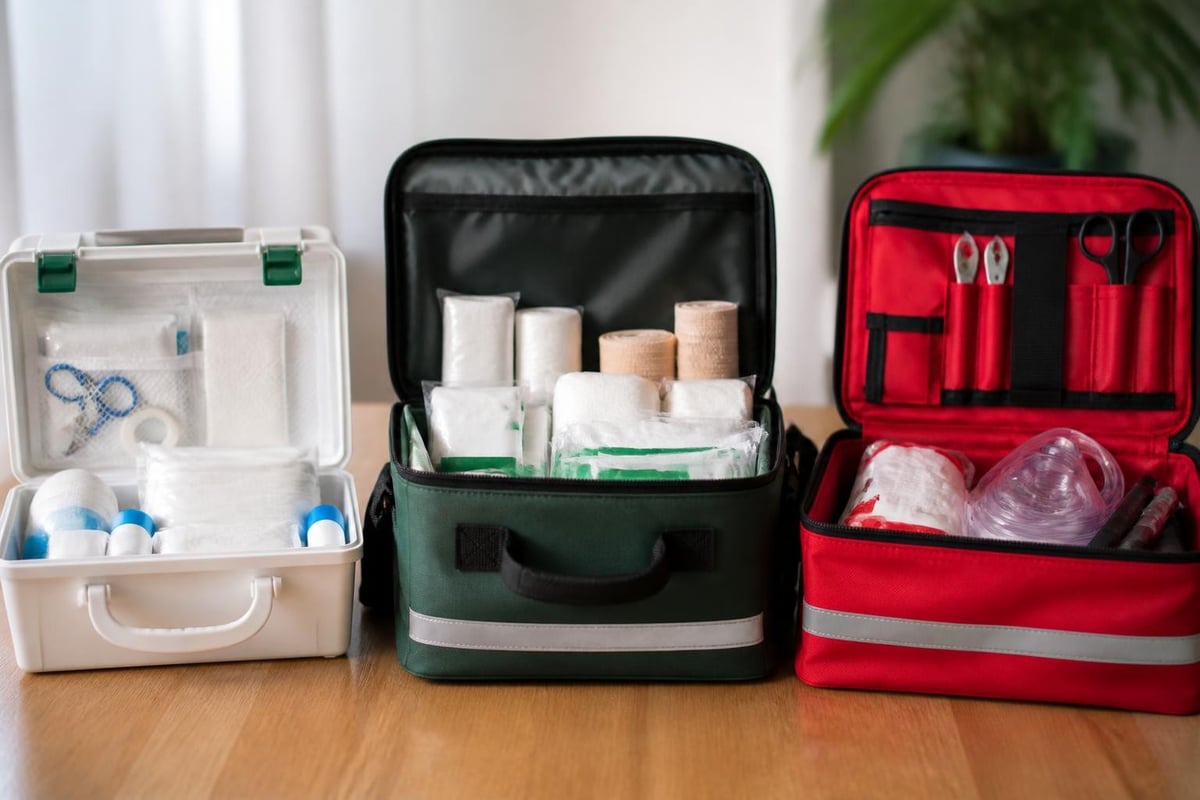
Purchasing decisions should balance comprehensiveness, quality, and value. Pre-assembled kits offer convenience whilst custom-built solutions provide precise control over contents.
Evaluating Pre-Packaged Kits
Commercial first aid kits arrive ready to use, saving assembly time and ensuring you haven't overlooked critical items. Consumer Reports provides valuable guidance on evaluating the quality and completeness of pre-packaged options.
When assessing pre-made kits, examine:
- Container durability: Hard cases protect contents better than soft pouches in harsh environments
- Organization system: Clear compartments and labelling enable quick item location during emergencies
- Quantity adequacy: Verify sufficient supplies for your specific headcount and risk profile
- Expiration dates: Freshly manufactured kits provide maximum shelf life
- Refill availability: Choose brands offering replacement supplies matching original contents
Wall-mounted cabinets suit fixed workplace locations, whilst portable cases serve vehicles and mobile teams. Waterproof containers prevent moisture damage in outdoor or marine applications.
Building Custom First Aid Kits
Creating bespoke kits allows precise alignment with your unique risk assessment. Start with a suitable container providing adequate capacity and protection, then systematically add items addressing identified hazards.
This approach offers several advantages:
- Eliminate unnecessary items that consume space without serving your environment
- Include specialized equipment relevant to your industry or activities
- Select preferred brands based on quality or previous experience
- Scale quantities appropriately rather than accepting predetermined amounts
- Optimize cost by purchasing bulk supplies for specific high-use items
Document your kit contents with a checklist attached inside the container. This inventory streamlines restocking and helps untrained users locate specific items quickly.
Maintenance and Management
First aid kits deteriorate without regular attention. Establishing systematic maintenance procedures ensures supplies remain effective and compliant.
Regular Inspection Schedules
Monthly inspections identify depleted items, damaged packaging, and approaching expiration dates. Assign responsibility to a specific individual who understands the importance of this role and has authority to order replacements promptly.
| Inspection Frequency | Activities | Documentation |
|---|---|---|
| Monthly | Check quantities, verify seals intact, note any missing items | Quick inventory checklist |
| Quarterly | Examine expiration dates, test equipment functionality, clean container | Detailed audit log |
| Annually | Complete contents review, update items based on regulation changes, replace entire kit if necessary | Compliance certification |
After any kit usage, immediately replenish consumed supplies before returning it to service. Even minor delays can leave you unprepared for subsequent incidents.
Proper Storage and Accessibility
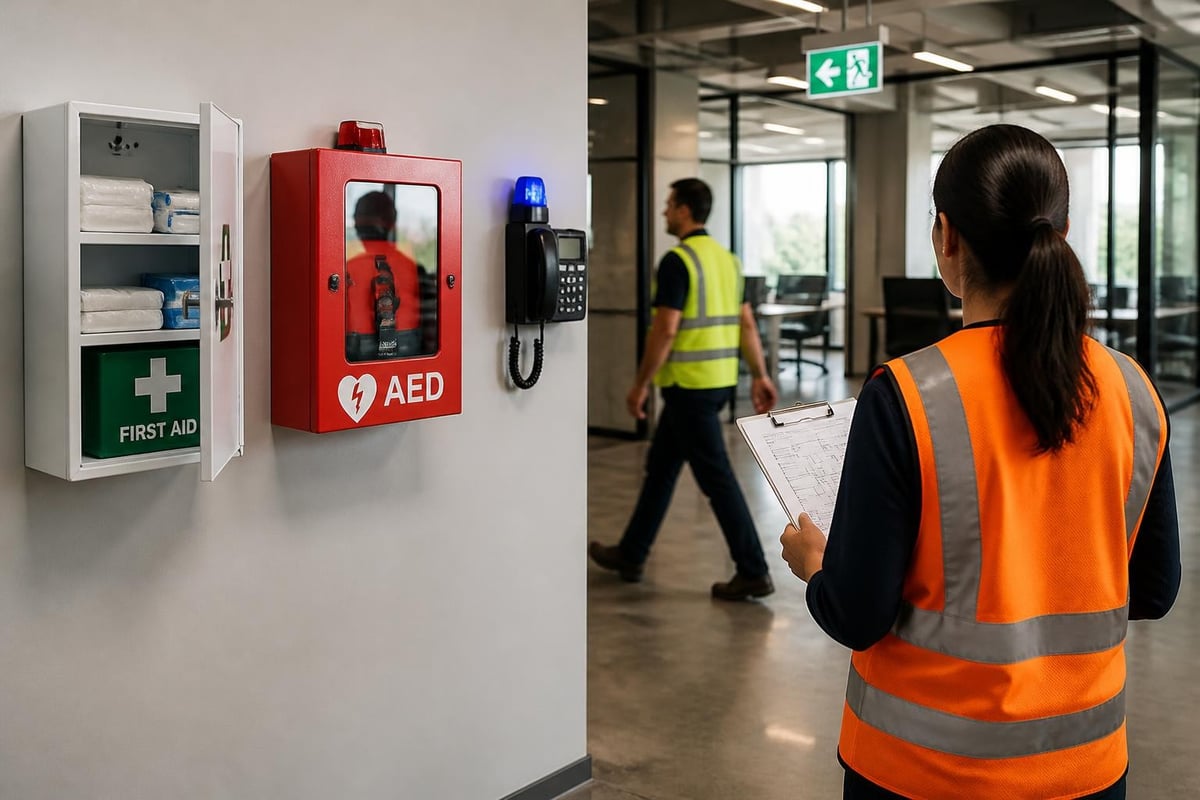
Position first aid kits in clearly marked, easily accessible locations that remain unobstructed during normal operations. Visibility ensures people can locate them instantly during high-stress situations.
Storage best practices include:
- Temperature control: Avoid extreme heat or cold that degrades medications and adhesives
- Moisture protection: Keep kits away from water sources and humid environments
- Height considerations: Mount cabinets at accessible levels for all potential users
- Signage: Install clear safety signs indicating kit locations throughout facilities
- Security balance: Prevent theft whilst ensuring emergency access isn't impeded
Multiple smaller kits distributed strategically often serve large facilities better than single comprehensive units. Consider travel time to medical supplies when determining optimal placement.
Training and Preparedness
Stocked first aid kits provide limited value if nobody knows how to use their contents effectively. Comprehensive first aid training transforms equipment into life-saving interventions.
Organizations should provide:
- Basic first aid certification for designated workplace responders
- Refresher courses maintaining skills and updating knowledge
- Scenario-based practice using actual kit contents
- Clear protocols defining when to summon emergency services
- Documentation of training completion for compliance records
Encourage employees to familiarize themselves with kit locations and basic contents even without formal training. Simple awareness enables them to direct trained responders efficiently during emergencies.
Advanced First Aid Considerations
Modern workplace safety increasingly incorporates trauma care capabilities previously reserved for emergency services. Understanding these advanced provisions helps organizations prepare for worst-case scenarios.
Bleeding Control and Trauma Response
Life-threatening hemorrhage requires immediate intervention that basic bandages cannot provide. Trauma kits include tourniquets, haemostatic gauze, and pressure dressings specifically designed to control severe bleeding.
The principles of bleeding control involve:
- Direct pressure: Immediate application using available materials
- Wound packing: Haemostatic gauze inserted into deep wounds
- Tourniquet application: Last resort for extremity bleeding uncontrolled by other methods
- Medical handover: Communicating interventions to emergency responders
Training in these techniques proves essential, as improper tourniquet use can cause permanent damage. Many organizations now include bleeding control workshops alongside traditional first aid certification.
Automated External Defibrillators
Cardiac emergencies demand rapid response with specialized equipment. Automated External Defibrillators (AEDs) analyze heart rhythms and deliver corrective electrical shocks when appropriate, dramatically improving survival rates for sudden cardiac arrest.
Modern AEDs feature:
- Voice prompts guiding untrained users through each step
- Automatic rhythm analysis preventing inappropriate shocks
- Paediatric modes adjusting energy levels for children
- Maintenance indicators alerting when battery or pad replacement is needed
Whilst not technically part of first aid kits, AEDs complement medical supplies as part of comprehensive emergency preparedness. Position them near kits in high-risk areas or locations with significant public access.
Pandemic and Infectious Disease Supplies
Recent global health events highlighted the importance of infection control provisions within first aid resources. Enhanced kits now routinely include personal protective equipment protecting responders and patients alike.
Essential pandemic preparedness items include:
- Disposable face masks and respirators
- Face shields providing eye and mucous membrane protection
- Additional gloves in multiple sizes
- Biohazard disposal bags for contaminated materials
- Hand sanitizer with minimum 60% alcohol content
- Surface disinfectant wipes
These additions reflect evolving understanding of disease transmission and the first aider's responsibility to minimize infection risk whilst providing care.
Industry-Specific First Aid Solutions
Different sectors face unique hazards requiring tailored medical supplies. Understanding industry-specific risks ensures your first aid kits address the most likely injury scenarios.
Construction and Manufacturing
Heavy industry environments present risks of severe trauma, chemical exposure, and eye injuries. First aid kits serving these sectors require robust trauma supplies and specialized treatments.
Critical additions include:
- Eye wash stations or portable bottles for chemical splashes
- Burn dressings and gels for thermal and chemical burns
- Larger quantities of trauma dressings and tourniquets
- Splinting materials for potential fractures
- Emergency blankets for shock management
High-visibility cabinet placement ensures accessibility even in dusty or dimly lit environments typical of industrial settings.
Hospitality and Retail
Customer-facing businesses need first aid kits serving both employees and patrons. These environments typically see minor injuries but must maintain professional appearance whilst ensuring comprehensive care.
Hospitality-specific considerations:
- Burn treatments for kitchen accidents
- Extra bandages for cuts from broken glass or equipment
- Allergy medications for food-related reactions
- Discreet cabinet designs maintaining aesthetic standards
- Multiple kit locations covering front-of-house and back-of-house areas
Staff training emphasizes calm, professional responses that reassure customers whilst providing effective care.
Transportation and Logistics
Vehicle-based operations require portable, durable kits withstanding constant movement and varying environmental conditions. Compact organization enables use in confined spaces typical of vehicle cabs.
Fleet managers should ensure:
- Weatherproof containers protecting contents from temperature extremes
- Secure mounting preventing kits becoming projectiles during accidents
- Regular inspection protocols accounting for driver turnover
- Clear labelling in multiple languages for international operations
- Replacement procedures when drivers use kit contents
Mobile medical supplies complement fixed workplace kits, extending protection throughout operational territories.
Cost Management and Procurement
Balancing quality with budget constraints requires strategic purchasing decisions. Smart procurement maximizes value whilst ensuring compliance and readiness.
Bulk Purchasing Strategies
Organizations maintaining multiple first aid kits achieve significant savings through consolidated purchasing. Buying supplies in larger quantities reduces per-unit costs whilst ensuring consistency across all locations.
Bulk procurement benefits include:
- Volume discounts from suppliers offering tiered pricing
- Reduced administrative overhead through fewer transactions
- Standardized contents simplifying training and inventory management
- Better negotiating position with vendors
- Ability to stock central supply rooms supporting multiple kits
However, balance bulk savings against expiration dates to avoid waste from unused supplies deteriorating before deployment.
Comparing Refill vs Replacement
When kits require updating, organizations face decisions between refilling existing containers or purchasing complete new units. Each approach offers distinct advantages depending on circumstances.
| Approach | Best For | Considerations |
|---|---|---|
| Refill | Kits needing specific items replaced, modern containers in good condition | Lower cost, maintains quality container, reduces waste |
| Complete Replacement | Outdated kits, damaged containers, major regulation changes | Ensures full compliance, fresh expiration dates, simplified procurement |
| Hybrid | Large inventories with varying ages and conditions | Optimizes budget allocation, addresses individual kit needs |
Track kit purchase dates and establish replacement cycles ensuring no unit exceeds recommended service life, regardless of apparent condition.
Properly equipped and maintained first aid kits represent essential safety infrastructure protecting employees, customers, and families from the consequences of unexpected injuries. By selecting appropriate contents, establishing maintenance routines, and ensuring trained responders can access supplies instantly, organizations demonstrate genuine commitment to wellbeing whilst meeting regulatory obligations. SafetySignsForSale provides comprehensive first aid supplies alongside the safety signage, fire equipment, and PPE that create complete workplace safety solutions. Browse our extensive range to build customized first aid kits meeting your specific industry requirements and compliance standards.