


Flammable Sign: Safety Standards and Compliance Guide
The proper identification of flammable materials represents one of the most critical aspects of workplace safety management. A flammable sign serves as the first line of defence against potentially catastrophic incidents, alerting workers, emergency responders, and visitors to the presence of substances that pose significant fire risks. Understanding the regulations, standards, and best practices surrounding these vital safety markers ensures compliance whilst protecting personnel and property from devastating consequences.
Understanding Flammable Classification Systems
The distinction between flammable and combustible materials determines which signage requirements apply to your facility. Flammable liquids possess flash points below 37.8°C (100°F), whilst combustible liquids ignite at higher temperatures. This classification directly influences storage protocols, handling procedures, and the type of warning signage required.
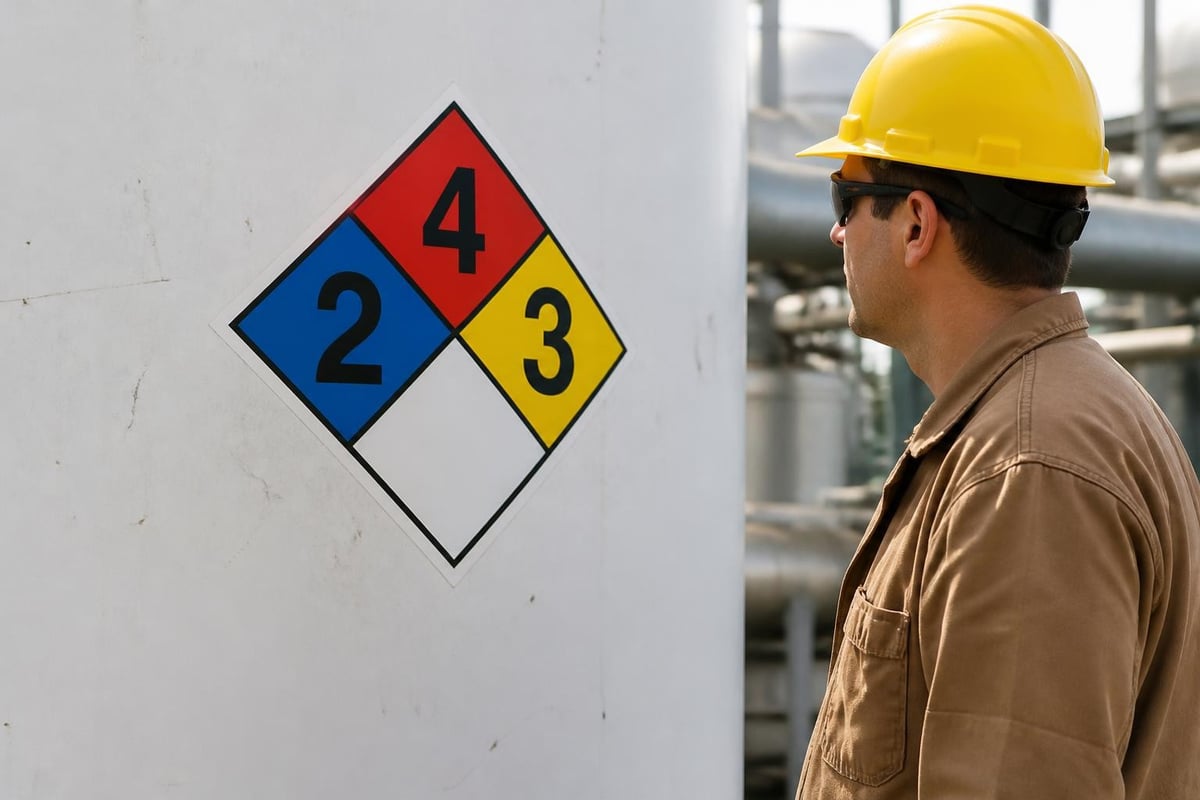
The NFPA 704 diamond system provides a universally recognized method for communicating hazard severity through colour-coded quadrants. Each section conveys specific information about flammability (red), health hazards (blue), reactivity (yellow), and special considerations (white). Emergency responders rely upon this standardized approach to make rapid, informed decisions during crisis situations.
Regulatory Framework and Compliance
Multiple regulatory bodies establish requirements for flammable sign deployment across different industries. The National Fire Protection Association's Flammable and Combustible Liquids Code (NFPA 30) outlines comprehensive standards for storage areas, safety cabinets, and labelling protocols. Compliance with these standards isn't merely recommended practice-it represents a legal obligation for facilities handling hazardous materials.
Facilities must evaluate their specific inventory of flammable substances to determine appropriate signage placement. Consider these essential factors:
- Quantity thresholds that trigger regulatory requirements
- Storage location characteristics including ventilation and proximity to ignition sources
- Access patterns for both routine operations and emergency response
- Material compatibility when multiple substances are stored together
- Local authority requirements that may exceed national standards
Design Standards and Visual Communication
The effectiveness of a flammable sign depends heavily upon its design elements, which must conform to established standards whilst ensuring maximum visibility. The U.S. Department of Energy references ANSI Z535 as the authoritative guidance for product safety signs and labels, establishing specifications for colours, symbols, and text formatting.
Colour Schemes and Contrast Requirements
Standard flammable signage employs red backgrounds with white text and symbols, creating high contrast that remains visible under various lighting conditions. This colour combination immediately communicates danger, leveraging psychological responses that prompt cautious behaviour. Alternative designs may incorporate yellow for caution-level warnings, though red remains standard for high-hazard flammable materials.
| Design Element | Standard Specification | Purpose |
|---|---|---|
| Background Colour | Red (Pantone 485C) | Immediate danger recognition |
| Text Colour | White | Maximum contrast and readability |
| Symbol Size | Minimum 50mm height | Visibility from safe distance |
| Border Width | 5-10% of sign height | Frame and emphasis |
| Reflective Properties | Type III or IV retroreflective | Low-light visibility |
The selection of appropriate warning signs requires careful consideration of viewing distances and environmental conditions. Larger facilities necessitate proportionally larger signage to ensure readability from safe distances.
Strategic Placement and Installation
Proper positioning of flammable signage proves just as crucial as the signs themselves. Strategic placement ensures visibility from multiple approaches whilst maintaining clear sightlines during routine operations and emergency evacuations.
Primary Installation Locations
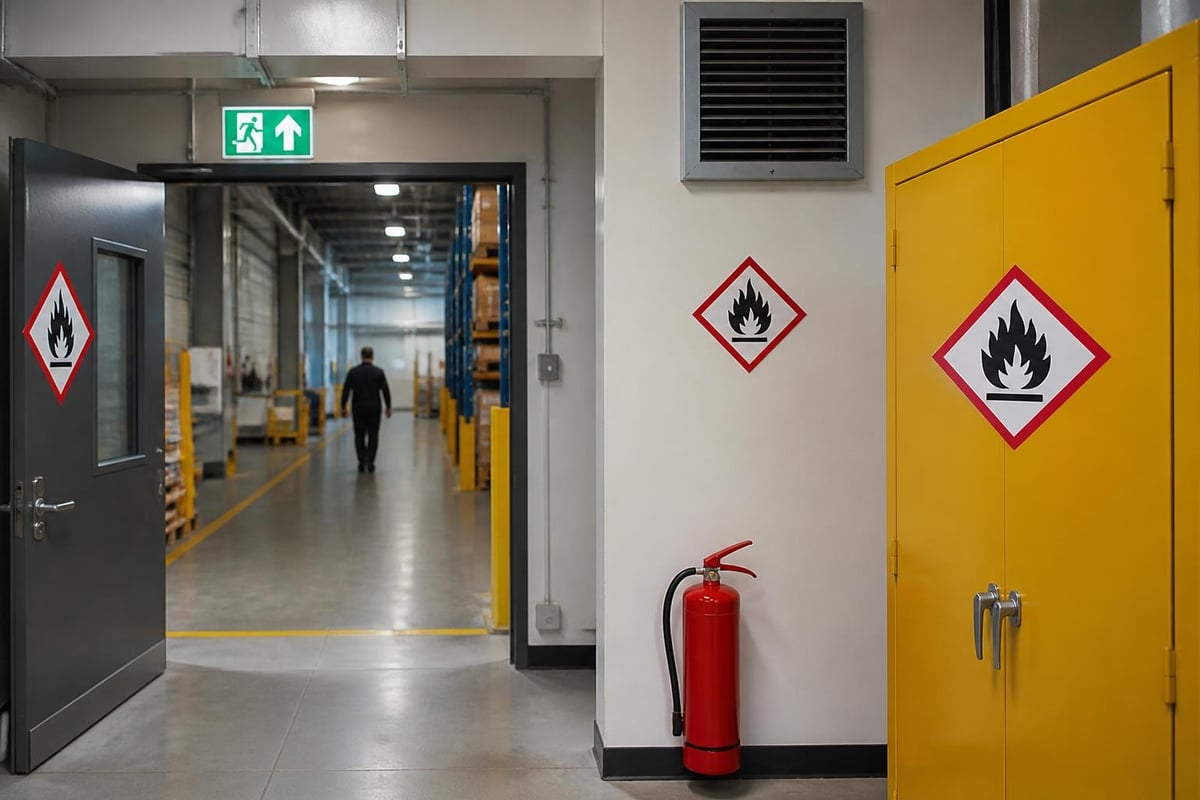
Storage areas containing flammable materials require comprehensive signage coverage. Mount signs at eye level on all entry points to restricted areas, ensuring workers encounter warnings before entering hazardous zones. Exterior doors accessing storage rooms need weather-resistant signage visible from parking areas and approach routes used by emergency vehicles.
Secondary placement includes:
- Cabinet doors housing flammable liquids or compressed gases
- Pipe markings identifying flammable substance flow direction
- Vehicle loading areas where flammable materials transfer occurs
- Electrical rooms containing flammable components or cooling fluids
- Ventilation system access points serving flammable storage areas
The integration of fire-fighting signs alongside flammable warnings creates comprehensive hazard communication systems. Position extinguisher location markers within clear view of flammable storage zones, enabling rapid response when incidents occur.
Material Selection and Durability Considerations
The harsh environments surrounding flammable storage areas demand signage constructed from materials capable of withstanding chemical exposure, temperature fluctuations, and physical wear. Selecting appropriate substrate materials ensures long-term effectiveness whilst minimizing replacement costs.
Common Substrate Options
Aluminium composite panels offer excellent durability for outdoor installations and areas exposed to moisture. The material resists corrosion whilst maintaining structural integrity across temperature ranges encountered in typical industrial settings. Vinyl adhesive signs provide cost-effective solutions for smooth interior surfaces, though they require more frequent replacement in high-traffic areas.
Photoluminescent materials deserve special consideration for facilities where power failures could compromise emergency lighting. These photoluminescent signs absorb ambient light and emit a visible glow during darkness, maintaining hazard communication when conventional illumination fails.
| Material Type | Ideal Applications | Expected Lifespan | Weather Resistance |
|---|---|---|---|
| Aluminium | Exterior walls, harsh environments | 10-15 years | Excellent |
| Rigid Plastic | Interior walls, controlled conditions | 7-10 years | Good |
| Vinyl Adhesive | Smooth interior surfaces | 3-5 years | Fair |
| Photoluminescent | Emergency egress routes | 8-12 years | Good to Excellent |
Maintenance and Inspection Protocols
Regular inspection programmes ensure flammable sign visibility and legibility throughout their service life. Environmental factors including UV exposure, chemical vapours, and physical contact gradually degrade even premium signage materials.
Quarterly Inspection Checklist
Establish systematic review procedures that document sign condition and trigger replacement when necessary. Assign responsibility for inspections to safety officers or facility managers with authority to requisition new signage promptly.
Key inspection criteria include:
- Colour fade reducing contrast between background and text
- Surface damage including scratches, dents, or chemical etching
- Adhesive failure causing peeling or bubbling on mounted signs
- Obstruction from equipment, inventory, or structural modifications
- Compliance updates requiring new symbols or additional languages
Documentation of inspection findings supports regulatory compliance whilst providing evidence of due diligence during audits. Photographic records prove particularly valuable when demonstrating proactive safety management to regulatory authorities.
Training and Awareness Programmes
The most meticulously placed flammable sign delivers limited value if workers fail to understand its significance. Comprehensive training programmes ensure personnel recognize hazard levels, respond appropriately to warnings, and maintain proper safety protocols around flammable materials.
Onboarding and Continuing Education
New employee orientation must include specific instruction regarding flammable signage interpretation. Walk new hires through facility areas containing hazardous materials, explaining the meaning of each sign type and the behaviours expected when encountering warnings. This practical, location-based training proves more effective than classroom-only instruction.
Annual refresher sessions reinforce initial training whilst introducing updates to standards or facility-specific procedures. Incorporate real incident case studies demonstrating how proper attention to warning signage prevents accidents. These concrete examples resonate more powerfully than abstract discussions of regulatory compliance.

Integration with Broader Safety Systems
A flammable sign functions as one component within comprehensive facility safety architecture. Effective hazard communication requires coordination between signage, personal protective equipment requirements, ventilation systems, and emergency response procedures.
Complementary Safety Measures
Areas marked with flammable warnings typically require additional safety infrastructure. Specialized fire equipment including class-appropriate extinguishers must be readily accessible, with their locations clearly marked. Storage cabinets housing flammable liquids need proper ventilation and grounding to prevent vapour accumulation and static discharge.
The specification of personal protective equipment (PPE) for workers handling flammable materials creates another layer of protection. Match PPE requirements to specific hazards identified through signage, ensuring workers understand which protective gear applies to different facility zones.
Consider these integrated safety elements:
- Emergency eyewash stations positioned near flammable chemical handling areas
- Explosion-proof electrical fixtures in zones marked for flammable vapour presence
- Static grounding equipment for containers and transfer operations
- Ventilation status indicators confirming adequate air exchange rates
- Emergency shutdown controls accessible without entering high-hazard zones
Specialized Applications and Industry Variations
Different industries face unique challenges when implementing flammable signage systems. Manufacturing facilities, research laboratories, fuel storage depots, and transportation hubs each require tailored approaches reflecting their specific operational characteristics.
Chemical Manufacturing and Processing
Chemical plants often handle numerous flammable substances with varying hazard levels. Comprehensive labelling systems identify not only flammability ratings but also incompatible materials that must never be stored together. Pipe colour-coding standards complement fixed signage, creating redundant hazard communication throughout complex facilities.
Transportation and Logistics
Vehicles transporting flammable materials require exterior placarding that remains visible from multiple angles. These mobile hazard warnings alert other drivers and emergency responders to cargo risks, enabling appropriate safety distances and response preparations. Loading dock areas need permanent signage establishing procedures for safe material transfer.
Research and Educational Settings
Laboratories present particular challenges due to smaller quantities stored in numerous locations. Rather than large storage room signs, laboratory settings require detailed labelling on individual cabinets and refrigerators. The general informational signs category includes specialized options for laboratory hazard communication.
Multi-Language Considerations
Workplaces employing diverse teams benefit from multi-language signage that communicates hazards regardless of native language proficiency. Whilst symbols provide universal communication, text warnings in multiple languages reinforce understanding and demonstrate inclusive safety commitment.
Symbol-Based Communication
International symbols for flammable materials transcend language barriers, providing instant recognition across cultural backgrounds. The flame pictogram remains universally understood, though pairing it with text descriptions in relevant languages enhances comprehension. Facilities near international borders or those employing multilingual workforces should prioritize this approach.
Digital Integration and Smart Signage
Emerging technologies enable dynamic flammable signage that adapts to changing conditions. Digital displays can modify hazard levels based on real-time monitoring of temperature, vapour concentrations, or inventory changes. Whilst traditional fixed signage remains the regulatory standard, supplemental digital systems provide enhanced situational awareness.
Monitoring and Alert Systems
Advanced facilities integrate flammable storage areas with building management systems that track environmental conditions. When sensors detect concerning trends, digital signage can escalate warnings whilst simultaneously alerting safety personnel. These systems create proactive rather than reactive safety management.
Cost-Benefit Analysis of Quality Signage
Budget constraints tempt some facilities toward economy signage options, but this short-term thinking often proves costly. Premium materials that withstand harsh conditions for a decade or more deliver superior value compared to frequent replacement of inferior products.
Total Cost of Ownership
Calculate signage investments across their full service life rather than initial purchase price alone. Factor in replacement labour costs, inspection time, and potential regulatory penalties when inadequate signage fails compliance audits. Quality signs from reputable suppliers like those available through SafetySignsForSale's safety signs collection represent wise investments in long-term safety and compliance.
| Cost Factor | Economy Signs | Premium Signs |
|---|---|---|
| Initial Price | Low | Moderate to High |
| Expected Lifespan | 2-3 years | 10-15 years |
| Replacement Frequency | Every 2-3 years | Every 10-15 years |
| Compliance Risk | Higher | Lower |
| Total 10-Year Cost | Higher (multiple replacements) | Lower (single installation) |
Documentation and Record-Keeping
Maintaining comprehensive records of flammable sign installation, inspection, and replacement supports both operational excellence and regulatory compliance. Document management systems should track sign locations, installation dates, inspection findings, and corrective actions.
Audit Trail Development
Create visual facility maps marking all flammable signage locations with corresponding unique identifiers. Cross-reference these identifiers with inspection logs, material safety data sheets, and emergency response plans. This integrated documentation demonstrates systematic safety management during regulatory reviews or incident investigations.
Digital photograph archives prove invaluable when demonstrating historical compliance or tracking sign degradation over time. Date-stamped images from each inspection cycle create objective evidence of proper maintenance protocols.
Implementing effective flammable signage requires attention to regulatory standards, material quality, strategic placement, and ongoing maintenance. These elements combine to create comprehensive hazard communication systems that protect workers whilst ensuring compliance with safety regulations. SafetySignsForSale provides the complete range of flammable signs, fire safety equipment, and complementary safety products needed to establish robust protection across industrial, commercial, and institutional facilities. Contact our team to discuss your specific requirements and ensure your workplace maintains the highest safety standards.