


Prohibited Signage: Essential Guide to Compliance
Prohibited signage forms the cornerstone of workplace safety communication, serving as the primary visual method to restrict dangerous activities and prevent accidents across industrial, commercial, and public environments. These distinctive red and white circular signs with diagonal bars immediately communicate actions that are forbidden in specific areas, protecting both employees and visitors from potential hazards. Understanding the proper implementation, legal requirements, and strategic placement of prohibited signage is essential for any organization committed to maintaining a safe working environment and meeting regulatory compliance obligations in 2026.
Understanding Prohibited Signage and Its Legal Framework
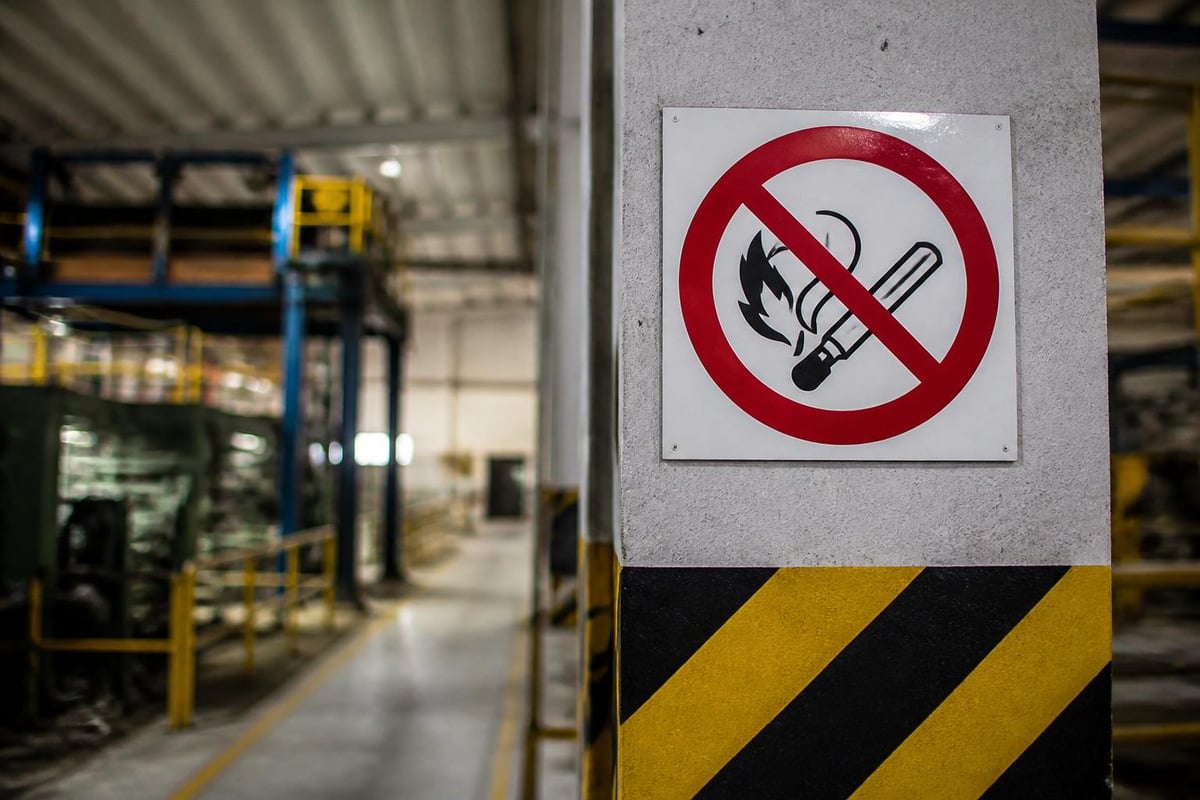
Prohibited signage represents a standardized category of safety communication designed to forbid specific behaviours or actions that could result in injury, damage, or regulatory violations. The distinctive design features a red circular border with a red diagonal bar crossing through a black pictogram on a white background, ensuring instant recognition regardless of language barriers or literacy levels.
The legal foundation for prohibited signage in Europe stems from EU Directive 92/58/EEC on minimum requirements for safety and health signs at work, which established harmonized standards across member states. This directive mandates that employers must provide appropriate signage where risks cannot be avoided or adequately reduced through technical prevention measures or organizational arrangements.
Regulatory Requirements and Standards
Modern prohibited signage must comply with ISO 7010 standards, which define the graphical symbols and colour schemes used internationally. The EU-OSHA guidance on Directive 92/58 provides practical implementation advice for organizations seeking to apply these standards effectively across their facilities.
Key compliance requirements include:
- Use of standardized symbols and colour schemes
- Appropriate size based on viewing distance and lighting conditions
- Durable materials resistant to workplace environmental factors
- Strategic placement at decision points and hazard zones
- Regular maintenance and replacement schedules
- Documentation of signage placement and rationale
Organizations investing in quality prohibitory signs ensure they meet these stringent requirements whilst maintaining visibility and durability over extended periods.
Common Types of Prohibited Signage
The spectrum of prohibited signage encompasses numerous specific restrictions tailored to different workplace hazards and operational requirements. Each sign type addresses particular risks, making it essential to conduct thorough risk assessments before implementing a signage strategy.
Workplace Prohibition Categories
| Prohibition Type | Common Applications | Risk Prevention |
|---|---|---|
| No Smoking | Chemical storage, flammable areas, oxygen-enriched zones | Fire prevention, explosion prevention |
| No Open Flame | Laboratories, refineries, storage facilities | Fire hazards, volatile substance ignition |
| No Entry | Construction zones, restricted areas, maintenance spaces | Unauthorized access, injury prevention |
| No Mobile Phones | Explosive atmospheres, precision equipment areas | Electronic interference, spark ignition |
| No Food or Drink | Laboratories, clean rooms, chemical handling areas | Contamination prevention, ingestion hazards |
Prohibited signage extends beyond internal workplace applications to include traffic and pedestrian control. The UK Government's guidance on regulatory traffic signs provides authoritative information on prohibition signs used in public spaces and roadways.
Industry-Specific Prohibitions
Different sectors require specialized prohibited signage based on unique operational hazards:
Manufacturing and Industrial Settings:
- No loose clothing near machinery
- No gloves operation prohibited
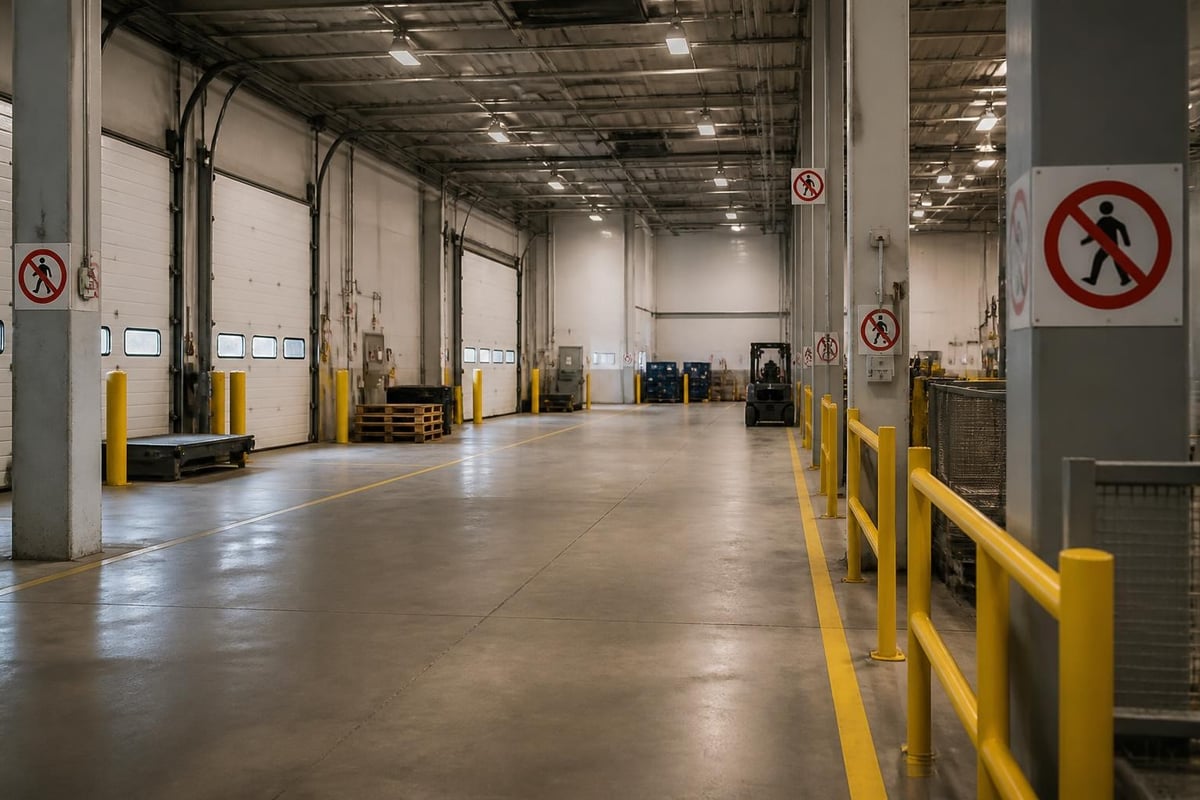
- No pedestrian access in forklift zones
- No manual handling beyond weight limits
Healthcare and Laboratory Environments:
- No contact lenses in chemical areas
- No latex materials (allergy considerations)
- No photography in patient areas
- No sharps disposal in general waste
Construction and Engineering Sites:
- No unauthorized lifting equipment operation
- No working beneath suspended loads
- No scaffolding access without competency cards
- No excavation without utility checks
A comprehensive safety signs programme incorporates prohibited signage alongside mandatory, warning, and informational categories to create a complete safety communication system.
Strategic Placement and Visibility Considerations
The effectiveness of prohibited signage depends heavily on strategic placement that ensures visibility at critical decision points. Signs must be positioned where individuals have adequate time to process the restriction and modify their behaviour accordingly.
Placement Best Practices
Position prohibited signage at entry points to restricted areas, ensuring anyone approaching receives clear warning before crossing the threshold. The height should accommodate both standing and seated viewers when applicable, typically between 1.5 and 2.0 meters from ground level for optimal visibility. For restricted entry points, our guide to authorised personnel only signs covers placement and wording in more detail.
Consider environmental factors that might obscure signage:
- Lighting conditions throughout different times of day
- Potential obstruction from equipment, materials, or temporary structures
- Viewing angles from multiple approach directions
- Weather exposure for outdoor installations
- Dust, steam, or other atmospheric conditions
Multiple sign placement may be necessary for larger areas or locations with multiple access points. Each entrance or potential entry route should feature appropriate prohibited signage to prevent inadvertent violations.
Size and Distance Calculations
The Traffic Signs Manual guidance provides detailed technical specifications for calculating appropriate sign dimensions based on viewing distance, though similar principles apply to workplace prohibited signage.
Recommended minimum sizes:
- Viewing distance up to 5 meters: 100mm diameter
- Viewing distance 5-10 meters: 200mm diameter
- Viewing distance 10-20 meters: 300mm diameter
- Viewing distance beyond 20 meters: 400mm diameter or larger
Supplementary text beneath the symbol should use clear, sans-serif fonts with high contrast. While pictograms communicate universally, additional text in the primary language(s) of your workforce reinforces the message, particularly for complex or nuanced restrictions.
Design Elements and Accessibility
Modern prohibited signage must balance regulatory compliance with accessibility requirements, ensuring that individuals with various abilities can perceive and understand restrictions. The U.S. Access Board guidance on ADA signs offers valuable insights into accessibility considerations, though specific requirements vary by jurisdiction.
Visual Accessibility Features
High contrast ratios between the symbol, background, and border ensure visibility for individuals with varying degrees of visual impairment. The standard red-on-white colour scheme provides approximately 70% contrast, meeting most accessibility guidelines. However, additional considerations enhance effectiveness:
- Non-glare finishes to reduce reflective interference
- Adequate lighting or photoluminescent materials for low-light conditions
- Supplementary tactile elements for critical prohibitions
- Strategic positioning to avoid backlighting situations
- Clear sightlines without visual clutter or competing messages
Organizations can enhance accessibility through photoluminescent signs that remain visible during power failures or low-light emergencies, particularly valuable for exit route prohibitions and emergency procedure signage.
Material Selection and Durability
The longevity and effectiveness of prohibited signage depends significantly on material choices appropriate to the installation environment:
| Material Type | Suitable Environments | Expected Lifespan | Key Benefits |
|---|---|---|---|
| Rigid Plastic (PVC) | Indoor, moderate conditions | 5-7 years | Cost-effective, lightweight, easily mounted |
| Aluminium | Outdoor, industrial settings | 10-15 years | Weather-resistant, durable, professional appearance |
| Self-Adhesive Vinyl | Temporary applications, smooth surfaces | 2-3 years | Quick application, repositionable, economical |
| Photoluminescent | Emergency routes, low-light areas | 10+ years | Glows without power, safety-critical applications |
Chemical resistance, UV stability, and temperature tolerance should inform material selection based on specific workplace conditions. Marine environments require corrosion-resistant materials, whilst food processing facilities need washable, non-porous surfaces that withstand regular sanitation procedures.
Integration with Comprehensive Safety Systems
Prohibited signage functions most effectively when integrated within a broader safety management framework that includes multiple communication channels and control measures. Signage alone cannot substitute for proper training, engineering controls, or administrative procedures, but serves as a constant visual reminder reinforcing these other measures.
Complementary Safety Communication
Effective safety programmes combine prohibited signage with other sign categories to create comprehensive hazard awareness:
Warning signs alert individuals to potential dangers before they encounter restricted zones, whilst mandatory signs communicate required protective equipment or procedures necessary when working near prohibited areas. Warning signs and mandatory signs work in tandem with prohibited signage to create layered safety communication.
Consider a chemical storage area as an example of integrated signage:
- Warning signs indicating hazardous materials present
- Prohibited signage forbidding smoking, open flames, and unauthorized entry
- Mandatory signs requiring appropriate PPE before entry
- Informational signs providing emergency contact numbers and procedures
This layered approach ensures that prohibited signage reinforces rather than replaces other safety measures, creating redundancy in critical safety communications.
Documentation and Training Requirements
Simply installing prohibited signage does not fulfil regulatory obligations. Organizations must document their signage strategy, including:
- Risk assessment outcomes justifying each prohibition
- Signage placement decisions and sight-line analysis
- Maintenance and inspection schedules
- Staff training records confirming awareness
- Incident reports relating to signage effectiveness
Regular training sessions should familiarize employees with prohibited signage throughout the facility, explaining the rationale behind each restriction and the consequences of non-compliance. New employee inductions must include site-specific signage orientation, whilst refresher training addresses any changes to prohibited areas or newly implemented restrictions.

Maintenance and Compliance Monitoring
Prohibited signage deteriorates over time due to environmental exposure, physical damage, or simple aging, potentially compromising its effectiveness and leaving organizations vulnerable to regulatory violations. Establishing systematic maintenance and monitoring protocols ensures continued compliance and safety performance.
Inspection Protocols
Quarterly inspections should evaluate each prohibited sign for:
- Physical integrity: Cracks, warping, delamination, or structural damage
- Visibility: Fading, discolouration, or contrast degradation
- Cleanliness: Obscuring dirt, grease, or environmental deposits
- Relevance: Whether the prohibition remains necessary and current
- Obstruction: New equipment, materials, or structures blocking sight lines
Document inspection findings systematically, creating a replacement schedule prioritizing signs showing significant deterioration or those in high-risk areas. Photographic records provide valuable evidence of compliance efforts and enable tracking of deterioration patterns over time.
Updating and Modernization
As workplace operations evolve, prohibited signage must adapt accordingly. Process changes, new equipment installation, or revised safety procedures may necessitate additional prohibitions or render existing signs obsolete. Annual comprehensive reviews ensure alignment between physical signage and current operational realities.
Update triggers include:
- Introduction of new hazardous materials or processes
- Workplace layout modifications affecting access routes
- Regulatory changes mandating additional restrictions
- Incident investigations revealing signage gaps
- Technology upgrades requiring new operational prohibitions
Transitioning to ISO 7010 standardized symbols represents a significant update many organizations undertook in recent years. Whilst older prohibition signs may remain technically compliant, modernizing to current standards improves international consistency and recognition, particularly valuable for organizations with multinational operations or diverse workforces.
Enforcement and Behavioral Compliance
The physical presence of prohibited signage represents only the first step towards ensuring behavioral compliance. Organizations must establish clear enforcement mechanisms and accountability frameworks that transform visual communications into actual safety outcomes.
Creating a Compliance Culture
Effective prohibition enforcement begins with leadership commitment and consistent messaging. When management demonstrates respect for prohibited signage through personal example, employees more readily internalize these restrictions as non-negotiable safety requirements rather than mere suggestions.
Progressive discipline frameworks should address signage violations proportionately:
- First offense: Verbal warning and retraining
- Second offense: Written warning and documented coaching
- Subsequent offenses: Escalating consequences up to termination
However, enforcement must balance firmness with fairness. Investigating why violations occur often reveals systemic issues requiring solutions beyond disciplinary action, such as inadequate signage visibility, insufficient alternative facilities, or unrealistic operational constraints.
Measuring Effectiveness
Quantitative metrics enable organizations to assess prohibited signage effectiveness and identify improvement opportunities:
| Metric | Measurement Method | Target Benchmark |
|---|---|---|
| Violation Rate | Observations per 100 work hours | <0.5 violations per 100 hours |
| Near-Miss Incidents | Reports involving prohibited activities | Declining trend quarter-over-quarter |
| Employee Recognition | Survey responses correctly identifying prohibitions | >95% accuracy |
| Sign Condition | Percentage requiring replacement annually | <10% replacement rate |
Behavioral observations conducted by safety personnel or trained observers provide valuable data on actual compliance levels versus assumed adherence. These observations should focus on understanding compliance barriers rather than punitive identification of violators, fostering improvement-oriented safety cultures.
Specialized Applications and Emerging Considerations
Modern workplaces present unique challenges requiring innovative approaches to prohibited signage implementation. Temporary work areas, multi-use spaces, and evolving technology landscapes demand flexible yet effective prohibition communication strategies.
Temporary and Dynamic Restrictions
Construction sites, maintenance activities, and special projects often require temporary prohibited signage that can be rapidly deployed and removed without permanent installation. Portable sign stands, magnetic mounting systems, and weather-resistant temporary materials enable rapid response to changing restriction needs.
Digital signage offers dynamic prohibition communication capabilities, allowing real-time updates based on operational status. Manufacturing facilities can display "No Entry" restrictions during automated processes, then automatically remove the prohibition when equipment stops and safe access resumes. However, digital systems require backup protocols ensuring prohibition communication continues during power failures or system malfunctions.
Multi-Lingual and Pictogram Considerations
Workplaces employing diverse, multilingual teams face unique challenges ensuring universal prohibition comprehension. Whilst standardized pictograms communicate across language barriers, supplementary text often proves valuable for complex or nuanced restrictions.
Best practices for multilingual prohibited signage include:
- Primary reliance on ISO 7010 standardized pictograms
- Supplementary text in the two or three most common languages
- Translation verification by native speakers to ensure accuracy
- Cultural review ensuring symbols carry intended meanings across cultures
- Enhanced training for international teams on symbol recognition
Some symbols carry different cultural interpretations, necessitating careful selection and verification. Organizations operating across multiple countries benefit from consulting comprehensive safety signs suppliers familiar with international standards and regional variations.
Integration with Personal Protective Equipment
Prohibited signage frequently intersects with PPE requirements, particularly when restrictions aim to prevent equipment interference or contamination. "No jewelry" prohibitions in food processing areas, "No loose clothing" restrictions near machinery, and "No contact lenses" rules in chemical environments all relate directly to personal protective measures.
Coordinating prohibited signage with PPE availability and training ensures employees understand both what they must not do and what protective measures they must employ. Locating prohibited signage near PPE stations creates natural decision points where workers prepare appropriately before entering restricted or hazardous areas.
Cost-Benefit Analysis and Investment Justification
Implementing comprehensive prohibited signage represents a measurable investment requiring justification within organizational budgeting processes. However, the costs of inadequate signage far exceed the investment in proper implementation when considering potential accidents, regulatory penalties, and liability exposures.
Direct Cost Components
Initial signage investment encompasses several cost categories:
- Sign materials and manufacturing (typically £5-50 per sign depending on size and materials)
- Installation labor and mounting hardware (£10-30 per sign)
- Site assessment and placement planning (professional fees or internal labor)
- Documentation and compliance verification systems
- Staff training and awareness programmes
Ongoing costs include quarterly inspections, periodic replacement, and updating as operations evolve. Organizations should budget approximately 10-15% of initial investment annually for maintenance and replacement, though this varies significantly based on environmental conditions and material selections.
Return on Investment Considerations
Prohibited signage delivers measurable value through multiple channels:
Risk Reduction: Each prevented incident avoids direct costs (medical treatment, equipment damage, production disruption) and indirect costs (investigation time, regulatory reporting, potential penalties, insurance premium increases). A single prevented serious injury typically justifies an entire facility's signage investment.
Regulatory Compliance: Adequate signage demonstrates due diligence during inspections, potentially avoiding enforcement actions. Regulatory penalties for signage deficiencies can reach thousands of pounds per violation in many jurisdictions.
Liability Protection: Well-documented signage programmes provide valuable evidence in legal proceedings, demonstrating reasonable precautions against foreseeable risks. This protection proves particularly valuable in third-party visitor injury cases.
Operational Efficiency: Clear prohibitions reduce confusion, minimize unauthorized access to restricted areas, and decrease supervision requirements. Employees spend less time determining whether activities are permitted in specific locations.
Organizations seeking to implement or upgrade prohibited signage can explore comprehensive solutions through specialized suppliers offering complete safety signs across all required categories, ensuring consistency and compliance whilst streamlining procurement processes.
Prohibited signage represents a critical investment in workplace safety, regulatory compliance, and risk management across all industries. Implementing standardized, strategically placed, and properly maintained prohibition signs creates safer work environments whilst demonstrating organizational commitment to employee welfare. SafetySignsForSale provides comprehensive prohibited signage solutions alongside complementary safety equipment, enabling organizations to source all their safety communication and protective equipment needs through a single trusted supplier committed to quality and compliance.