


Fire Extinguishing: Systems, Methods & Best Practices
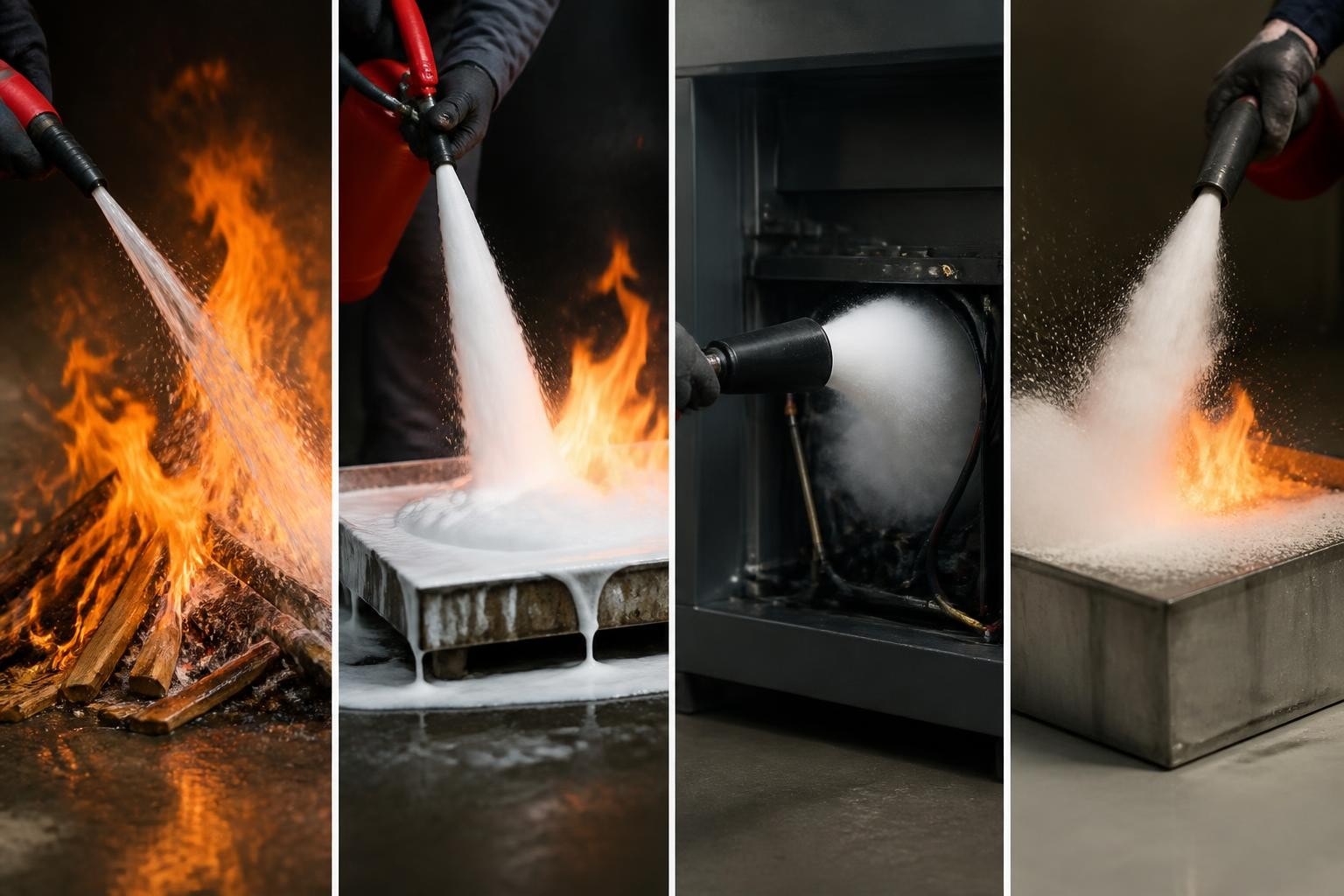
Fire extinguishing encompasses the methods, systems, and equipment used to suppress or eliminate fires before they cause catastrophic damage. Understanding the principles of fire suppression, selecting appropriate extinguishing agents, and implementing effective fire safety protocols are essential responsibilities for facility managers, safety officers, and business owners. The science of fire extinguishing has evolved significantly since 2020, with advances in environmentally friendly agents, automated suppression systems, and performance testing methodologies. Modern fire extinguishing strategies combine traditional approaches with innovative technologies to protect lives, property, and the environment whilst ensuring regulatory compliance across diverse industrial sectors.
Understanding Fire Classification and Extinguishing Principles
Effective fire extinguishing begins with understanding fire classification systems. Fires are categorised based on the fuel source, and each class requires specific suppression methods to achieve optimal results.
The Four Primary Fire Classes
Class A fires involve ordinary combustible materials such as wood, paper, cloth, and most plastics. These fires leave ash and are best extinguished using water-based agents or foam that cools the burning material below its ignition temperature.
Class B fires involve flammable liquids including petrol, oil, solvents, and grease. Fire extinguishing for these incidents requires agents that smother the flames by excluding oxygen, such as foam, dry chemical powder, or carbon dioxide.
Class C fires present unique challenges as they involve energised electrical equipment. Extinguishing agents must be non-conductive to prevent shock hazards, making CO2 and dry chemical powders the preferred options.
Class D fires involve combustible metals like magnesium, titanium, and sodium. These specialised fires require specific dry powder agents designed for metal fires, as conventional extinguishing methods can actually worsen these situations.
| Fire Class | Fuel Type | Recommended Agents | Primary Mechanism |
|---|---|---|---|
| Class A | Solid combustibles | Water, foam, dry chemical | Cooling |
| Class B | Flammable liquids | Foam, CO2, dry powder | Smothering |
| Class C | Electrical equipment | CO2, dry chemical | Non-conductive suppression |
| Class D | Combustible metals | Specialised dry powder | Chemical reaction suppression |
The Fire Triangle and Suppression Theory
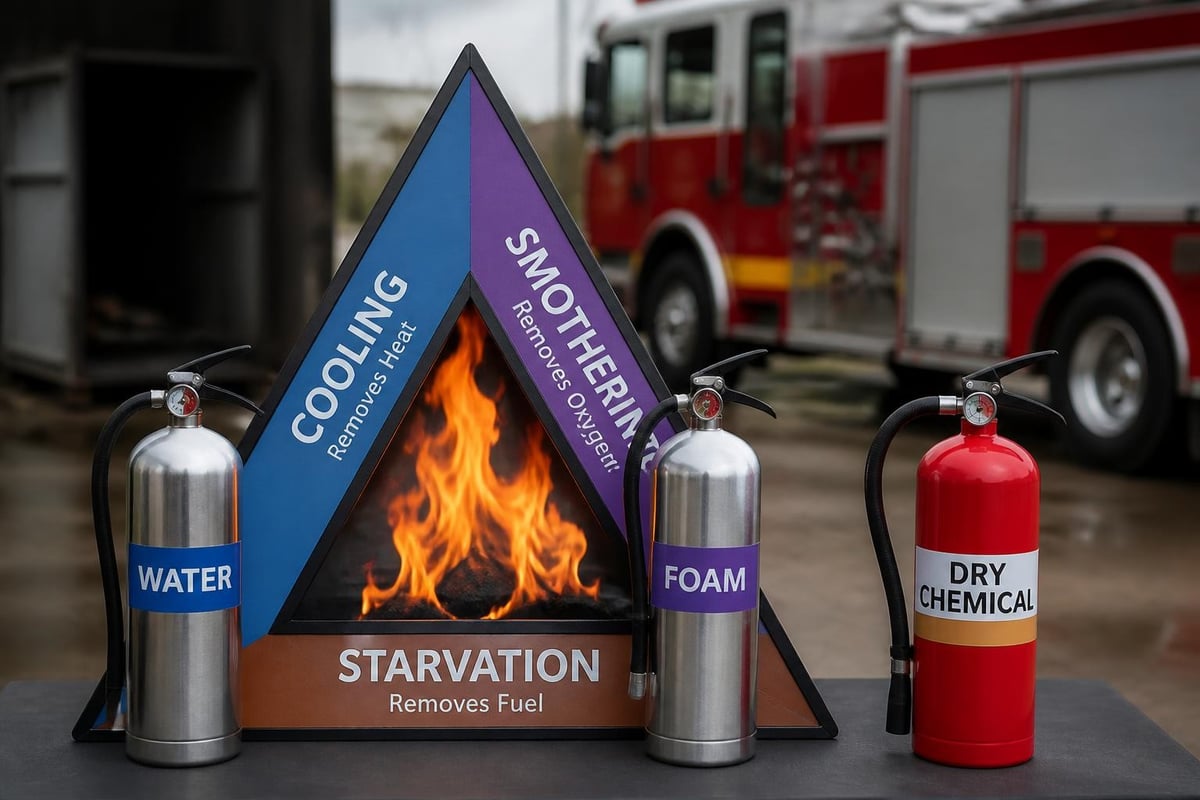
Fire extinguishing works by removing one or more elements of the fire triangle: heat, oxygen, or fuel. Water-based systems primarily remove heat through cooling. Foam and CO2 systems displace oxygen, creating an atmosphere where combustion cannot continue. Chemical suppressants interrupt the chemical reaction itself, breaking the combustion chain at a molecular level.
Modern fire suppression science, including research from NIST on water suppression effectiveness, has refined our understanding of how different agents interact with various fire scenarios. This evidence-based approach helps facilities select the most effective fire extinguishing methods for their specific risk profiles.
Portable Fire Extinguishing Equipment
Portable fire extinguishers remain the first line of defence in most facilities, providing immediate access to fire extinguishing capabilities before fires escalate beyond control.
Selection and Placement Standards
The NFPA 10 standard provides comprehensive guidance on selecting, installing, and maintaining portable fire extinguishers. Proper selection considers the potential fire classes present, the square footage to be protected, and the physical limitations of users.
Key placement considerations include:
- Maximum travel distance of 23 metres for Class A hazards
- Maximum travel distance of 15 metres for Class B hazards
- Visibility and accessibility without obstruction
- Protection from physical damage and environmental conditions
- Appropriate mounting height (typically 1 to 1.5 metres from floor to handle)
Complementing physical extinguishers with proper signage ensures rapid location during emergencies. Fire fighting signs should be positioned above each extinguisher location, using standardised colours and symbols that remain visible even in smoke-filled conditions.
Types of Portable Extinguishing Agents
Water extinguishers remain economical for Class A fire protection but pose electrical hazards and freeze in cold environments. Adding antifreeze or using water mist technology addresses some limitations whilst maintaining cooling effectiveness.
Dry chemical extinguishers offer versatility, with ABC-rated models handling multiple fire classes. The powder interrupts chemical reactions whilst creating a barrier between fuel and oxygen. However, the residue can damage sensitive equipment and requires thorough cleanup.
Carbon dioxide extinguishers provide clean fire extinguishing for electrical and small flammable liquid fires. The gas displaces oxygen without leaving residue, making CO2 ideal for server rooms, laboratories, and kitchens. The significant limitation involves limited cooling capability and potential asphyxiation risk in confined spaces.
Foam extinguishers excel at Class B fire suppression, creating a blanket that seals vapours and cools the liquid surface. Traditional aqueous film-forming foam (AFFF) contains PFAS chemicals now recognised as environmental contaminants. The EPA's research on fluorine-free firefighting foams demonstrates viable alternatives that maintain performance whilst reducing environmental impact.
Fixed Fire Extinguishing Systems
Automated fire extinguishing systems provide protection where manual intervention may be delayed, impractical, or dangerous. These engineered solutions activate automatically upon fire detection, delivering suppression agents to protect critical assets.
Sprinkler Systems and Water-Based Suppression
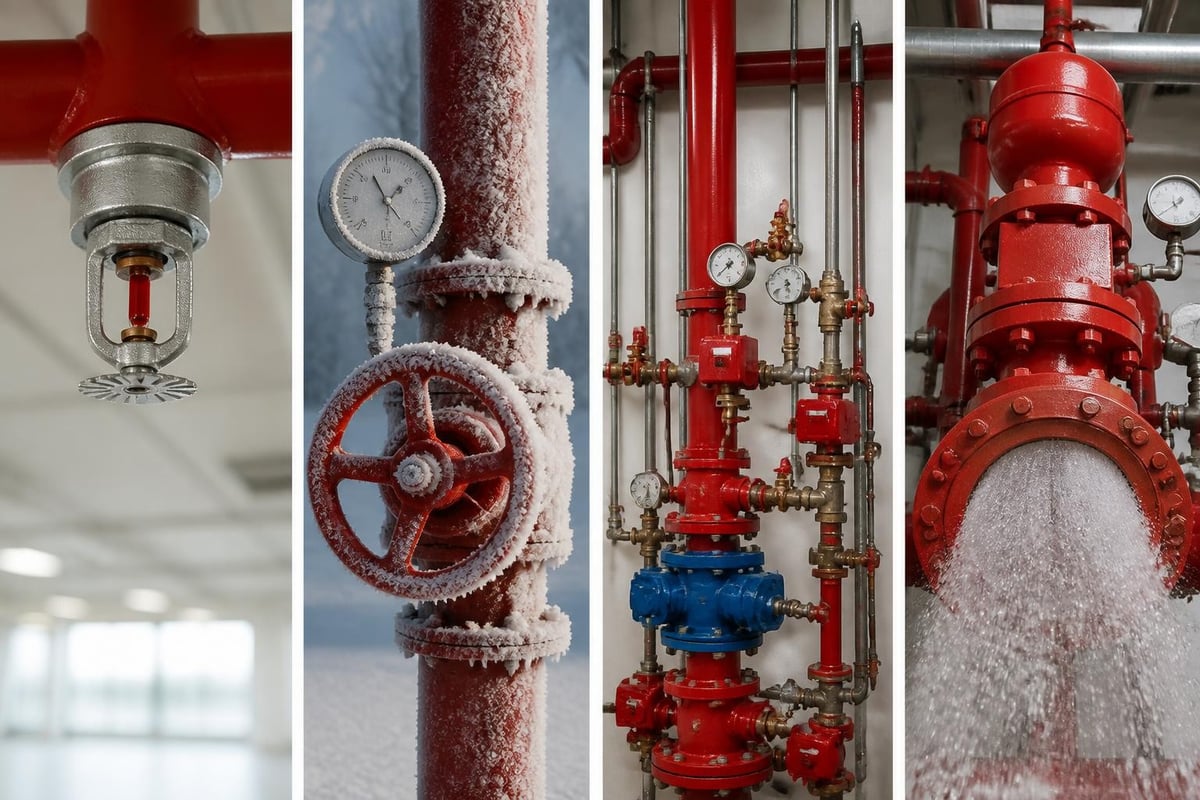
Wet pipe sprinkler systems maintain water under pressure in the piping network, releasing immediately when heat activates individual sprinkler heads. These systems offer reliable, cost-effective protection for most occupancies.
Dry pipe systems use pressurised air or nitrogen in the piping, with water held behind a valve. When a sprinkler activates, pressure drops, the valve opens, and water flows. This design prevents freezing in unheated spaces but introduces a delay before water discharge.
Pre-action systems require two events before water discharges: fire detection system activation and sprinkler head operation. This dual-interlock approach protects water-sensitive environments like museums, data centres, and archives.
Deluge systems activate all sprinkler heads simultaneously, flooding an area with water or foam. These high-volume fire extinguishing systems protect high-hazard occupancies including aircraft hangars, chemical processing facilities, and power generation plants.
Gas-Based Suppression Systems
Clean agent systems discharge inert gases or chemical agents that suppress fire without water damage or residue. These fire extinguishing solutions protect irreplaceable assets and sensitive electronic equipment.
- Inert gas systems (IG-01, IG-55, IG-541) reduce oxygen concentration below combustion-sustaining levels
- Chemical clean agents (FM-200, Novec 1230) absorb heat and interrupt chemical reactions
- Carbon dioxide systems rapidly displace oxygen but require careful design to prevent asphyxiation
- Condensed aerosol systems generate ultra-fine particles that suppress flames through chemical and physical mechanisms
System selection balances fire extinguishing effectiveness, environmental impact, space constraints, and safety considerations. International standards such as ISO 7165 establish performance requirements ensuring system reliability across global applications.
Kitchen Hood Suppression Systems
Commercial kitchens present unique fire risks involving cooking oils and high-temperature appliances. Specialised wet chemical fire extinguishing systems designed for these environments discharge alkaline agents that saponify fats, creating a foam blanket whilst cooling surfaces below re-ignition temperatures.
Modern systems integrate with gas and electrical shutoffs, simultaneously suppressing fire and eliminating energy sources. Regular maintenance and periodic discharge testing ensure these systems remain ready when needed, protecting both property and kitchen staff from serious injury.
Fire Extinguishing Agent Selection and Environmental Considerations
Choosing appropriate fire extinguishing agents requires balancing suppression effectiveness, human safety, environmental impact, and regulatory compliance. The transition from halon agents in the 1990s demonstrated how environmental concerns drive innovation in suppression technology.
PFAS Concerns and Fluorine-Free Alternatives
Aqueous film-forming foam has provided exceptional Class B fire extinguishing performance for decades, particularly in aviation and petroleum facilities. However, the PFAS (per- and polyfluoroalkyl substances) compounds in traditional AFFF persist in the environment and bioaccumulate in living organisms.
The EPA's assessment of PFAS health risks has prompted regulatory action limiting AFFF use and requiring contamination remediation at affected sites. Military installations, airports, and chemical facilities are transitioning to fluorine-free foams (F3) that provide effective fire suppression without persistent environmental contamination.
Fluorine-free foam technology relies on synthetic and natural surfactants to create stable blankets over flammable liquids. Whilst initial formulations showed performance gaps compared to AFFF, recent developments have narrowed this difference significantly. Facilities updating their fire extinguishing capabilities should specify F3 products meeting current performance standards.
Clean Agent Environmental Impact
| Agent Type | Ozone Depletion Potential | Global Warming Potential | Atmospheric Lifetime | Safety Margin |
|---|---|---|---|---|
| Halon 1301 | 10.0 | 7,140 | 65 years | Good |
| FM-200 (HFC-227ea) | 0 | 3,220 | 34.2 years | Good |
| Novec 1230 | 0 | 1 | 5 days | Excellent |
| IG-541 | 0 | 0 | N/A | Good |
Selecting low-impact fire extinguishing agents demonstrates environmental responsibility whilst maintaining protection levels. Novec 1230 and inert gas systems offer minimal environmental footprint, making them preferred choices for new installations in 2026.
Testing, Certification, and Compliance
Ensuring fire extinguishing equipment functions reliably requires rigorous testing, proper certification, and ongoing compliance verification. These processes protect lives whilst limiting liability exposure for facility operators.
Performance Testing and Standards
Fire extinguisher manufacturers submit products to independent testing laboratories where they undergo performance evaluation against established benchmarks. UL's fire extinguisher testing validates that products meet UL 299 (dry chemical), UL 711 (rating and testing), and other applicable standards before receiving certification marks.
Testing evaluates discharge performance, agent effectiveness on standardised fires, operating mechanism reliability, pressure vessel integrity, and resistance to environmental conditions. Products failing any criterion cannot carry certification marks until deficiencies are corrected and retesting confirms compliance.
Inspection and Maintenance Requirements
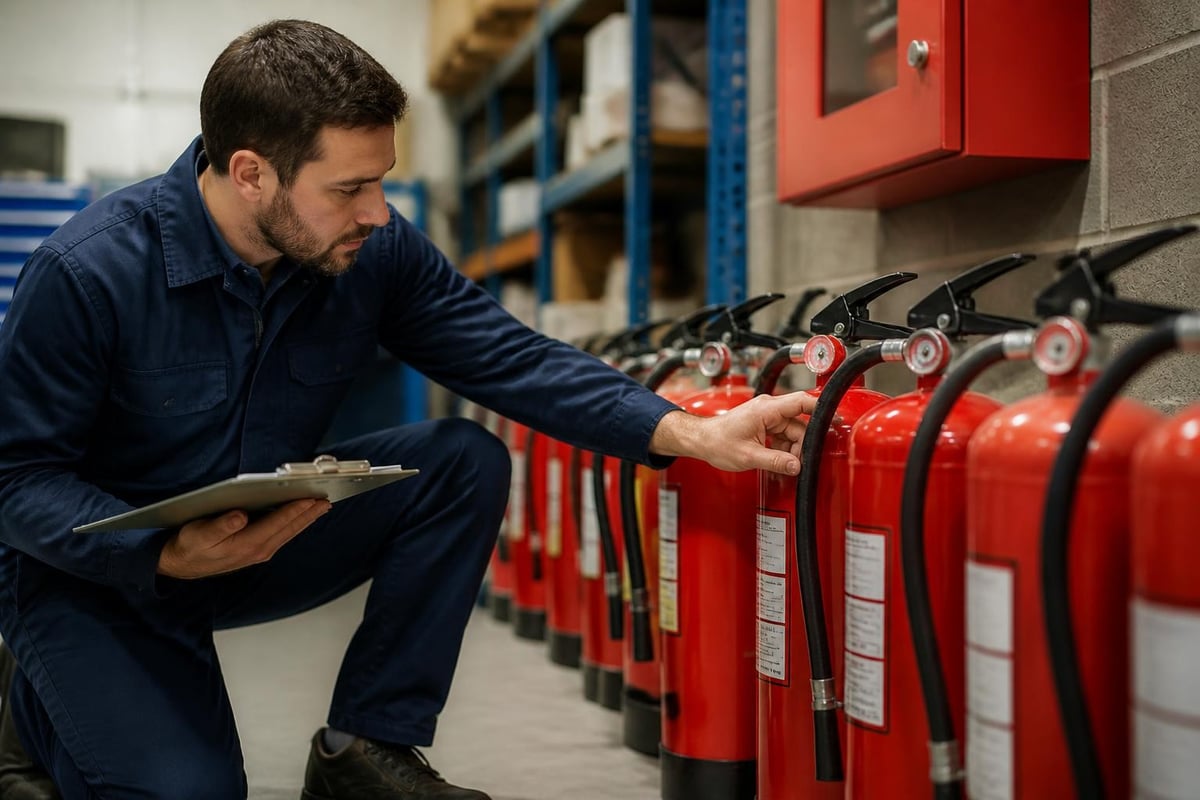
Portable fire extinguishers require monthly visual inspections verifying proper location, access, pressure gauge readings, and physical condition. Annual professional maintenance includes examining internal components, verifying discharge operation, and documenting findings.
Six-year internal examinations involve complete disassembly, inspection of cylinder walls and threads, seal replacement, and refilling with fresh extinguishing agent. Hydrostatic pressure testing at prescribed intervals (typically 12 years for stored pressure extinguishers) confirms vessel integrity.
Fixed fire extinguishing systems demand comprehensive inspection, testing, and maintenance protocols specific to each technology. Water-based systems require quarterly visual inspections, annual flow testing, and periodic internal pipe inspections. Clean agent systems need semi-annual inspections, annual discharge nozzle examinations, and periodic agent concentration testing.
Documentation of all inspections, tests, and maintenance activities provides evidence of due diligence whilst identifying trends that may indicate emerging equipment issues. Fire extinguisher accessories such as inspection tags, maintenance records, and replacement parts support compliant programmes.
Training and Operational Readiness
The most sophisticated fire extinguishing equipment provides no protection if building occupants cannot operate it effectively during emergencies. Comprehensive training transforms passive safety equipment into active life-saving tools.
The PASS Method and Practical Application
The U.S. Fire Administration recommends teaching the PASS operating method for portable fire extinguishers, providing a memorable framework for high-stress situations.
- Pull the pin to break the tamper seal
- Aim the nozzle at the base of the fire, not the flames
- Squeeze the handle to discharge the extinguishing agent
- Sweep the nozzle side to side, covering the entire fire area
Hands-on training with actual extinguisher discharge builds confidence and muscle memory. Organisations should conduct practical exercises at least annually, allowing personnel to experience extinguisher operation in controlled settings. Training extinguishers using only water or inert gas minimise costs whilst providing realistic discharge characteristics.
Understanding Limitations and Evacuation Priorities
Effective fire safety training emphasises knowing when not to fight fires. Employees should only attempt fire extinguishing when:
- The fire is small and contained
- An appropriate extinguisher is immediately available
- An unobstructed escape route exists behind them
- The fire department has been notified
- They feel confident and safe proceeding
Fires producing dense smoke, blocking exits, or exceeding portable extinguisher capacity require immediate evacuation. Life safety always takes precedence over property protection, regardless of extinguisher availability or training level.
Integrated Fire Safety Programmes
Fire extinguishing equipment functions most effectively as part of comprehensive fire safety programmes integrating detection, suppression, evacuation, and emergency response elements.
Signage and Visual Communication
Clear, standardised signage ensures rapid equipment location during emergencies when visibility may be compromised by smoke or power failure. Photoluminescent signs provide visibility even during complete electrical failure, charging from ambient light and glowing for hours in darkness.
Beyond marking fire extinguishers, comprehensive programmes include:
- Exit route marking with directional arrows
- Assembly point identification
- Equipment operation instructions
- Hazard warnings near high-risk areas
- Evacuation maps showing extinguisher locations
Visual communication extends to warning signs identifying fire hazards and prohibitory signs preventing actions that increase fire risk, such as smoking near flammable materials or obstructing fire equipment access.
Coordinating Equipment with Building Systems
Modern fire extinguishing strategies integrate multiple systems responding collectively to fire events. Detection systems identify fires in their earliest stages, activating alarms, notifying emergency services, and triggering automatic suppression systems.
Building management systems can coordinate fire response by:
- Shutting down HVAC systems to prevent smoke spread
- Releasing electromagnetic door holders for fire barrier closure
- Activating smoke extraction fans
- Illuminating emergency lighting and exit signs
- Initiating voice evacuation announcements
This coordinated approach maximises fire extinguishing effectiveness whilst protecting building occupants through systematic hazard mitigation.
Documentation and Regulatory Compliance
Maintaining detailed records demonstrates regulatory compliance whilst providing valuable data for programme improvement. Documentation should encompass:
- Equipment inventory with location, type, and capacity details
- Inspection and maintenance records with dates, findings, and corrective actions
- Training attendance registers and competency assessments
- Incident reports documenting fire events and extinguisher use
- System testing results and performance verification
Regular audits against applicable standards, building codes, and insurance requirements identify gaps before they become compliance violations or coverage exclusions. Proactive management of fire extinguishing programmes reduces risk exposure whilst demonstrating organisational commitment to safety.
Emerging Technologies and Future Developments
Fire extinguishing technology continues evolving, driven by environmental concerns, performance requirements, and digital integration capabilities emerging in 2026.
Water Mist and Hybrid Systems
Water mist technology delivers fire extinguishing performance approaching traditional sprinklers whilst using significantly less water. Fine droplets increase surface area, enhancing heat absorption and steam generation for oxygen displacement. This dual-action approach effectively suppresses diverse fire classes whilst minimising water damage.
Hybrid systems combining water mist with inert gas or chemical agents optimise performance for specific applications. These engineered solutions provide tailored fire protection balancing effectiveness, environmental impact, and infrastructure requirements.
IoT Integration and Predictive Maintenance
Internet-connected fire extinguishing equipment enables continuous monitoring, automated compliance tracking, and predictive maintenance capabilities. Sensors monitor pressure levels, agent concentration, valve position, and environmental conditions, transmitting data to centralised management platforms.
Analytics identify trends indicating potential failures before they compromise protection. Low-pressure trends may reveal slow leaks requiring seal replacement. Activation history helps optimise equipment placement based on actual incident patterns rather than assumptions.
Connected systems streamline compliance by automatically documenting inspections, scheduling maintenance, and alerting managers to overdue service requirements. This digital transformation reduces administrative burden whilst improving programme reliability.
Sustainable Agent Development
Research continues developing fire extinguishing agents with improved environmental profiles without sacrificing suppression performance. Natural compounds, bio-based surfactants, and chemistries with minimal atmospheric impact represent promising directions for future product development.
Regulatory pressure and corporate sustainability commitments drive adoption of environmentally responsible fire protection solutions. Facilities planning system upgrades or new installations should evaluate options beyond traditional agents, considering lifecycle environmental impact alongside immediate suppression needs.
Implementing effective fire extinguishing capabilities requires understanding fire science, selecting appropriate equipment, maintaining compliance, and training personnel for emergency response. Organisations must balance protection effectiveness, environmental responsibility, and operational requirements whilst adapting to evolving standards and technologies. Whether you need fire equipment, comprehensive signage programmes, or complete safety solutions, SafetySignsForSale provides the products and expertise to build robust fire protection programmes meeting your specific requirements across South African facilities.