


Fire Action Notice: Essential Guide for Workplace Safety
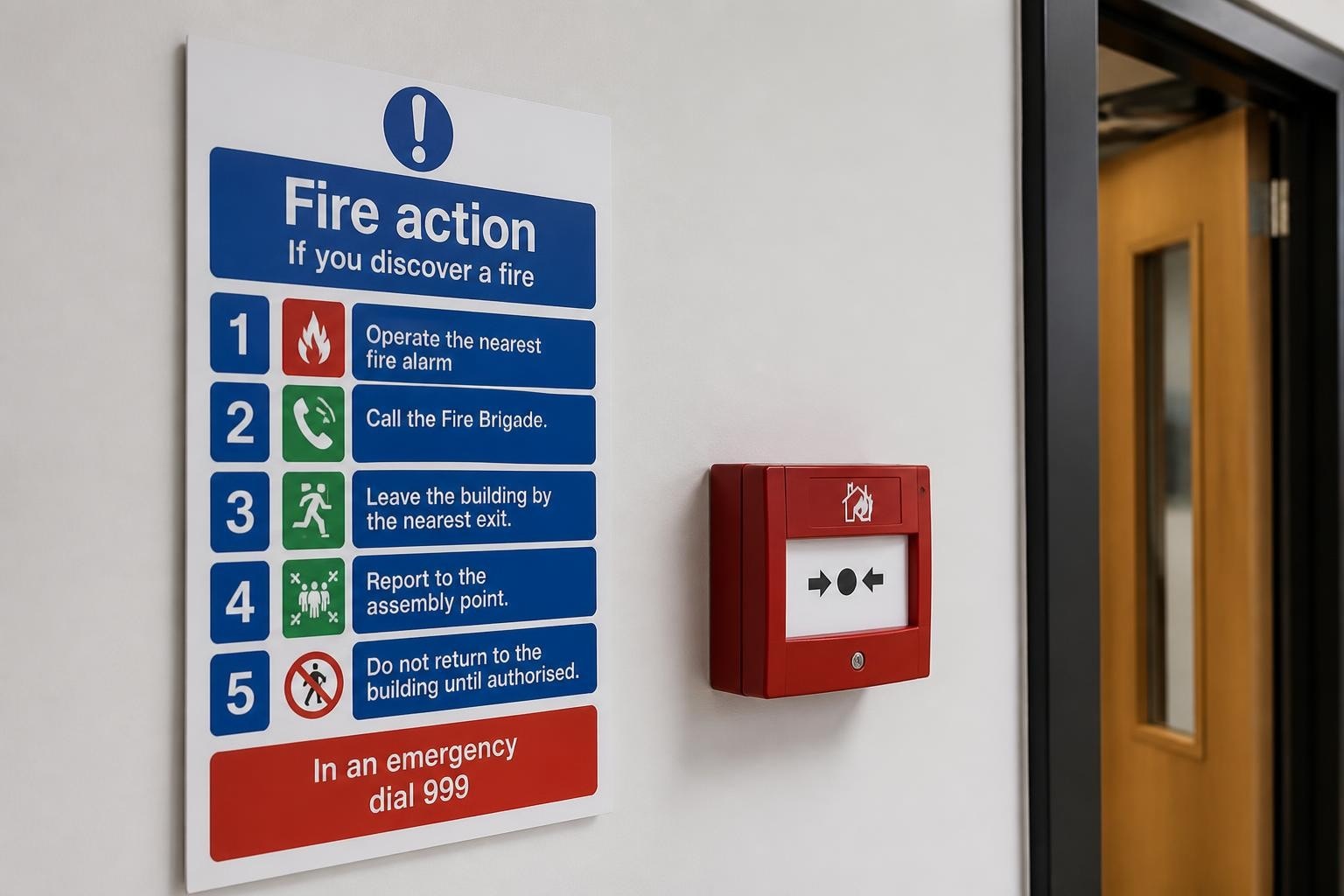
A fire action notice serves as a critical component of any comprehensive fire safety strategy, providing clear, immediate guidance during emergency situations. These notices deliver essential information that can save lives by instructing occupants on precise actions to take when they discover a fire or hear an alarm. Despite their importance, many businesses either neglect to display these notices properly or fail to ensure they contain accurate, up-to-date information. Understanding the legal requirements, content standards, and strategic placement of fire action notices is fundamental to maintaining workplace safety and regulatory compliance.
Understanding the Legal Framework for Fire Action Notices
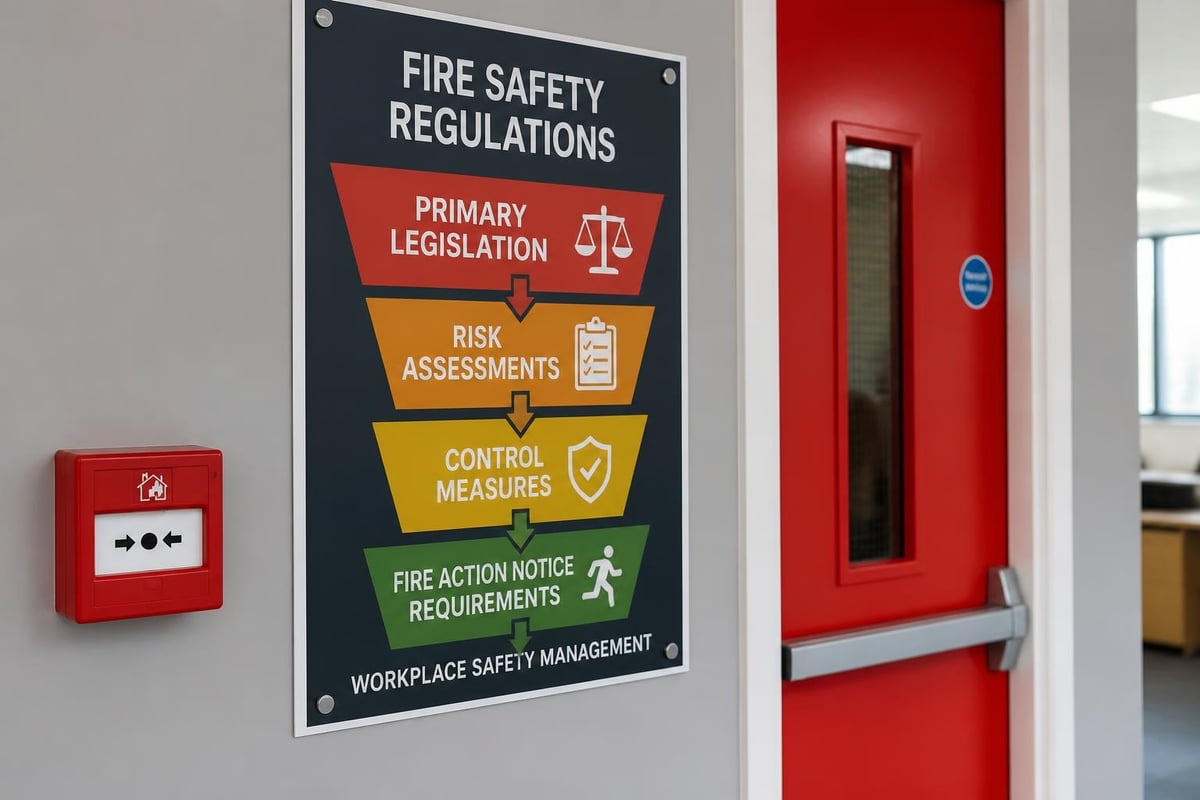
The regulatory landscape surrounding fire action notices stems from multiple pieces of legislation and guidance documents. The Health and Safety (Safety Signs and Signals) Regulations 1996 establishes the foundation for all safety signage in the workplace, including fire-related notices. These regulations mandate that employers provide appropriate safety signs where risks cannot be avoided or controlled through other means.
Fire safety legislation requires employers to conduct thorough fire risk assessments and implement appropriate control measures. A fire action notice represents one of the most visible and accessible control measures available. The UK government guidance on fire safety risk assessments specifically references the importance of displaying clear action notices in offices, shops, and similar premises.
Regulatory Compliance Across Different Premises Types
Different types of buildings face varying regulatory requirements. Scottish premises with sleeping accommodation, for instance, must adhere to specific practical fire safety guidance that explicitly recommends permanently displayed emergency fire action notices in appropriate locations.
Healthcare facilities, educational establishments, and industrial settings each have unique considerations when implementing fire action notices. The complexity of these environments often necessitates customised notices that reflect specific evacuation procedures, assembly points, and communication protocols.
Essential Content for Effective Fire Action Notices
A compliant fire action notice must contain specific information presented in a logical, easily understood sequence. The content typically follows a standardised format that aligns with established emergency response procedures.
Core Elements Required:
- Clear action upon discovering a fire
- Instructions for raising the alarm
- Calling the fire brigade procedures
- Evacuation protocols
- Assembly point location
- Specific instructions regarding lifts
- Contact information for responsible persons
The wording must be unambiguous and directive, using imperative language that leaves no room for interpretation during high-stress situations. The British Fire Consortium guidance on fire safety signage emphasises the importance of standardised terminology and clear visual hierarchy in notice design.
Customising Content for Specific Environments
Whilst standard templates provide an excellent foundation, effective fire action notices often require customisation to reflect unique building characteristics. Multi-storey buildings, for example, may need notices that specify different assembly points for different floors. Industrial facilities with hazardous materials might include additional instructions regarding shutdown procedures before evacuation.
| Environment Type | Additional Content Requirements | Unique Considerations |
|---|---|---|
| Healthcare | Patient evacuation procedures, refuge areas | Mobility assistance protocols |
| Industrial | Machinery shutdown, hazardous material protocols | Process safety integration |
| Retail | Customer evacuation, staff responsibilities | Peak occupancy periods |
| Educational | Roll call procedures, designated staff roles | Age-appropriate instructions |
The NHS fire safety information leaflet demonstrates how healthcare environments adapt standard fire action content to address specific operational requirements whilst maintaining clarity and compliance.
Strategic Placement and Visibility Standards
Positioning fire action notices correctly ensures maximum effectiveness during emergencies. East Sussex Fire & Rescue Service guidance recommends placing notices at prominent locations where occupants can easily reference them, particularly near fire alarm call points and major egress routes.
Recommended Placement Locations:
- Adjacent to manual fire alarm call points
- Near main entrances and exits
- At reception areas and control points
- In circulation routes and corridors
- Within communal spaces and break rooms
- Near lift lobbies with evacuation instructions
The height and visibility of notices matter significantly. Mounting fire action notices at eye level, typically between 1.4 and 1.7 metres from floor level, ensures accessibility for the majority of occupants. Lighting conditions must also be considered, as notices displayed in poorly lit areas may become illegible during emergencies or power failures.

Photoluminescent and Illuminated Options
Standard printed notices may prove inadequate in low-light or smoke-filled conditions. Photoluminescent signs offer enhanced visibility by absorbing ambient light and glowing in darkness, maintaining legibility when conventional signage becomes invisible. These signs comply with BS 5499 and ISO 7010 standards for emergency exit route marking.
Externally illuminated or internally lit fire action notices provide another alternative, particularly in areas lacking natural light or where power backup systems ensure continued illumination. The NFPA Research Foundation report on dynamic exit signage explores advanced illumination techniques that enhance wayfinding and instruction visibility during emergencies.
Design Standards and Recognition Principles
Effective fire action notices balance regulatory compliance with psychological principles of information processing under stress. ISO 7010 and BS 5499 standards govern the design parameters for safety signs, establishing colour codes, symbol usage, and formatting conventions that enable rapid recognition.
The standardised red band across the top of fire action notices immediately signals fire-related information. This visual convention, combined with white text on red backgrounds for critical actions, creates instant recognition that transcends language barriers and educational levels.
Typography choices significantly impact readability. Sans-serif fonts in appropriate sizes (typically no smaller than 10-12 point for body text) ensure legibility from reasonable distances. Adequate spacing between lines and sections prevents information crowding that could confuse readers during stressful situations.
Material Selection and Durability
Fire action notices must withstand environmental conditions throughout their operational lifespan. Indoor environments generally permit standard vinyl or plastic substrates, whilst industrial settings with exposure to chemicals, moisture, or extreme temperatures require more robust materials.
Material Comparison:
| Material | Durability | Best Applications | Lifespan |
|---|---|---|---|
| Self-adhesive vinyl | Moderate | Indoor offices, retail | 3-5 years |
| Rigid plastic (PVC) | High | General commercial use | 5-7 years |
| Aluminium composite | Very high | Industrial, outdoor | 10+ years |
| Photoluminescent acrylic | High | Emergency routes, low-light areas | 7-10 years |
Quality fire-fighting signs incorporate weather-resistant inks and UV protection to prevent fading and deterioration. Regular inspections should verify that notices remain legible, securely mounted, and free from damage or obstruction.
Integration with Comprehensive Fire Safety Systems
A fire action notice functions as one element within a broader fire safety management system. Its effectiveness increases exponentially when integrated with complementary signage, equipment, and procedures. General informational signs throughout the premises should create a cohesive wayfinding and safety communication network.
The relationship between fire action notices and physical fire protection equipment requires careful coordination. Notices directing occupants to raise alarms should be positioned near manual call points, whilst instructions to use extinguishers should only appear where appropriate fire extinguishers are actually located and staff have received proper training.
Staff Training and Notice Familiarisation
Even the most perfectly designed and positioned fire action notice delivers limited value if occupants haven't been trained to follow its instructions. Regular fire drills should specifically reference the notices, reinforcing the connection between the written instructions and practical emergency response procedures.
Induction programmes for new employees must include orientation to fire action notices, explaining their purpose, location, and the reasoning behind each instruction. This educational approach transforms notices from passive signs into active components of organisational safety culture.
Training Integration Checklist:
- Include fire action notice locations in site orientation
- Explain the reasoning behind each instruction during training
- Reference notices explicitly during fire drills
- Test comprehension through scenario-based questions
- Update training materials when notices change

Maintenance and Regular Review Procedures
Fire action notices require systematic maintenance and periodic review to ensure continued accuracy and compliance. Changes in building layout, emergency procedures, assembly points, or contact information necessitate immediate notice updates. Technical guidance on fire risk assessment action plans highlights signage compliance as a recurring action item requiring documented verification.
Establishing a formal review schedule prevents notices from becoming outdated. Annual reviews aligned with fire risk assessment updates provide an appropriate baseline, with additional checks triggered by:
- Building alterations or refurbishments
- Changes in occupancy levels or use
- Staff restructuring affecting responsible persons
- Near-miss incidents or actual emergencies
- Regulatory updates or guidance changes
Physical condition assessments should occur more frequently, ideally quarterly, checking for fading, damage, obstruction, or detachment. Maintenance logs documenting inspection dates, findings, and corrective actions demonstrate due diligence to regulatory authorities and insurance providers.
Common Compliance Failures and Remediation
Despite clear regulatory requirements, certain compliance failures repeatedly appear during fire safety inspections. Recognising these common pitfalls enables proactive remediation before they compromise safety or result in enforcement action.
Frequent Non-Compliance Issues:
- Outdated contact information or assembly points
- Generic notices lacking site-specific details
- Faded or damaged notices with illegible text
- Inappropriate placement in obscured locations
- Absence of notices near all alarm call points
- Conflicting information between different notices
Remediation programmes should prioritise systematic replacement rather than piecemeal corrections. Conducting a comprehensive audit of all fire action notices, comparing them against current procedures and regulatory standards, creates a baseline for improvement. The audit should document:
- Current notice locations and condition
- Accuracy of information displayed
- Compliance with design standards
- Integration with overall fire safety strategy
- Gaps requiring new notice installation
Coordinating Notices with Evacuation Signage
Fire action notices work in conjunction with directional evacuation signage to guide occupants safely from buildings during emergencies. Whilst action notices explain what to do, exit signs show where to go. This complementary relationship requires careful coordination to prevent conflicting or incomplete information.
The assembly point referenced on fire action notices must correspond precisely with external assembly point signs. Discrepancies between these signs create confusion that can prove dangerous during actual evacuations. Similarly, instructions regarding evacuation routes should align with the fire-fighting signs directing occupants toward exits.
| Sign Type | Primary Function | Coordination Requirement |
|---|---|---|
| Fire action notice | Instruct on emergency procedures | Must reference correct assembly points |
| Exit signs | Direct toward egress routes | Should match routes described in notices |
| Assembly point signs | Mark external gathering locations | Must use identical designation as notices |
| Fire equipment signs | Identify firefighting equipment | Referenced in notices where appropriate |
Complex buildings with multiple zones or phased evacuation procedures may require zone-specific fire action notices. These customised notices provide tailored instructions reflecting the particular characteristics and evacuation strategies for different building areas.
Accessibility Considerations for Inclusive Design
Fire action notices must communicate effectively with all potential building occupants, including those with visual, cognitive, or language limitations. Inclusive design principles extend beyond regulatory minimums to ensure genuinely universal accessibility.
Visual accessibility begins with appropriate contrast ratios between text and backgrounds, exceeding WCAG 2.1 AA standards where possible. Font sizing should accommodate presbyopia and other age-related vision changes increasingly common in workforces. Tactile versions incorporating Braille translations and raised text provide critical information access for visually impaired occupants.
Accessibility Enhancement Strategies:
- Multilingual notices for diverse workforces
- Pictorial symbols supplementing text instructions
- Braille translations for visually impaired users
- Simplified language versions for cognitive accessibility
- Audio-described versions integrated with alarm systems
- High-contrast colour schemes exceeding minimum standards
Language diversity in modern workplaces may necessitate multilingual fire action notices or supplementary translations. Whilst English remains the standard for UK workplaces, facilities with significant non-English-speaking populations should consider providing key instructions in relevant additional languages.
Sector-Specific Requirements and Best Practices
Different industry sectors face unique fire safety challenges requiring specialised approaches to fire action notices. Understanding sector-specific requirements ensures notices provide genuinely useful guidance rather than generic information of limited practical value.
Manufacturing and industrial environments often incorporate process shutdown procedures into fire action notices, recognising that uncontrolled machinery or chemical processes may present greater hazards than the fire itself. These notices may instruct operators to initiate emergency stops before evacuating, balancing personal safety against broader facility protection.
Retail environments must address customer evacuation alongside staff procedures. Fire action notices in retail settings typically differentiate between staff responsibilities (alarm activation, customer guidance, premises checks) and customer actions (immediate evacuation, following staff instructions). Peak trading periods require consideration, as evacuation procedures differ significantly between quiet periods and peak occupancy.
Educational establishments require age-appropriate fire action notices positioned at heights accessible to younger students. These notices often incorporate more visual elements and simplified language whilst maintaining clear instruction. Staff notices in educational settings include specific responsibilities regarding student accountability and supervision during evacuations.
Documentation and Compliance Records
Maintaining comprehensive records regarding fire action notices demonstrates regulatory compliance and supports continuous improvement initiatives. Documentation should encompass initial installation, periodic reviews, maintenance activities, and any incidents where notices influenced emergency response.
Installation records capture baseline information including notice specifications, locations, content, and responsible persons authorising deployment. These records facilitate future audits, ensuring consistency across multi-site organisations and enabling rapid identification of non-compliant installations.
Review and update logs track changes over time, creating an audit trail demonstrating active management of fire safety signage. These logs prove particularly valuable during regulatory inspections, insurance assessments, and legal proceedings following incidents. Each entry should document the date, findings, actions taken, and individuals responsible.
Essential Documentation Components:
- Installation records with specifications and locations
- Scheduled review logs with dates and findings
- Maintenance records documenting condition checks
- Update histories showing content changes
- Training records linking notices to staff education
- Incident reports referencing notice effectiveness
Integration with broader fire safety management systems creates efficiency and ensures fire action notices receive appropriate attention within regular safety governance cycles. Modern digital fire safety management platforms can incorporate notice tracking, automated review reminders, and compliance reporting alongside other fire safety obligations.
Fire action notices represent a fundamental yet often overlooked element of comprehensive workplace safety, providing essential guidance that directly influences emergency response effectiveness and potentially saves lives. Ensuring these notices comply with current regulations, contain accurate site-specific information, and remain visible and legible requires ongoing commitment and systematic management. Whether you're implementing fire safety signage for the first time or upgrading existing installations, SafetySignsForSale offers the expertise and comprehensive product range to meet your requirements, from compliant fire action notices to complete fire safety signage solutions tailored to your specific operational environment.