


Hazard Symbols: Essential Guide for Workplace Safety
Understanding hazard symbols is fundamental to maintaining safe working environments across industries. These standardised visual warnings communicate critical information about dangerous substances, equipment, and conditions without relying on language barriers. From chemical manufacturing facilities to construction sites, hazard symbols serve as the first line of defence in preventing workplace accidents and ensuring regulatory compliance.
The Globally Harmonised System of Classification and Labelling
The GHS represents the international standard for hazard symbols, establishing uniformity across borders and industries. Implemented progressively since 2003, this system replaced numerous national and regional standards with a cohesive framework that improves safety through consistency.
Core GHS Pictograms and Their Meanings
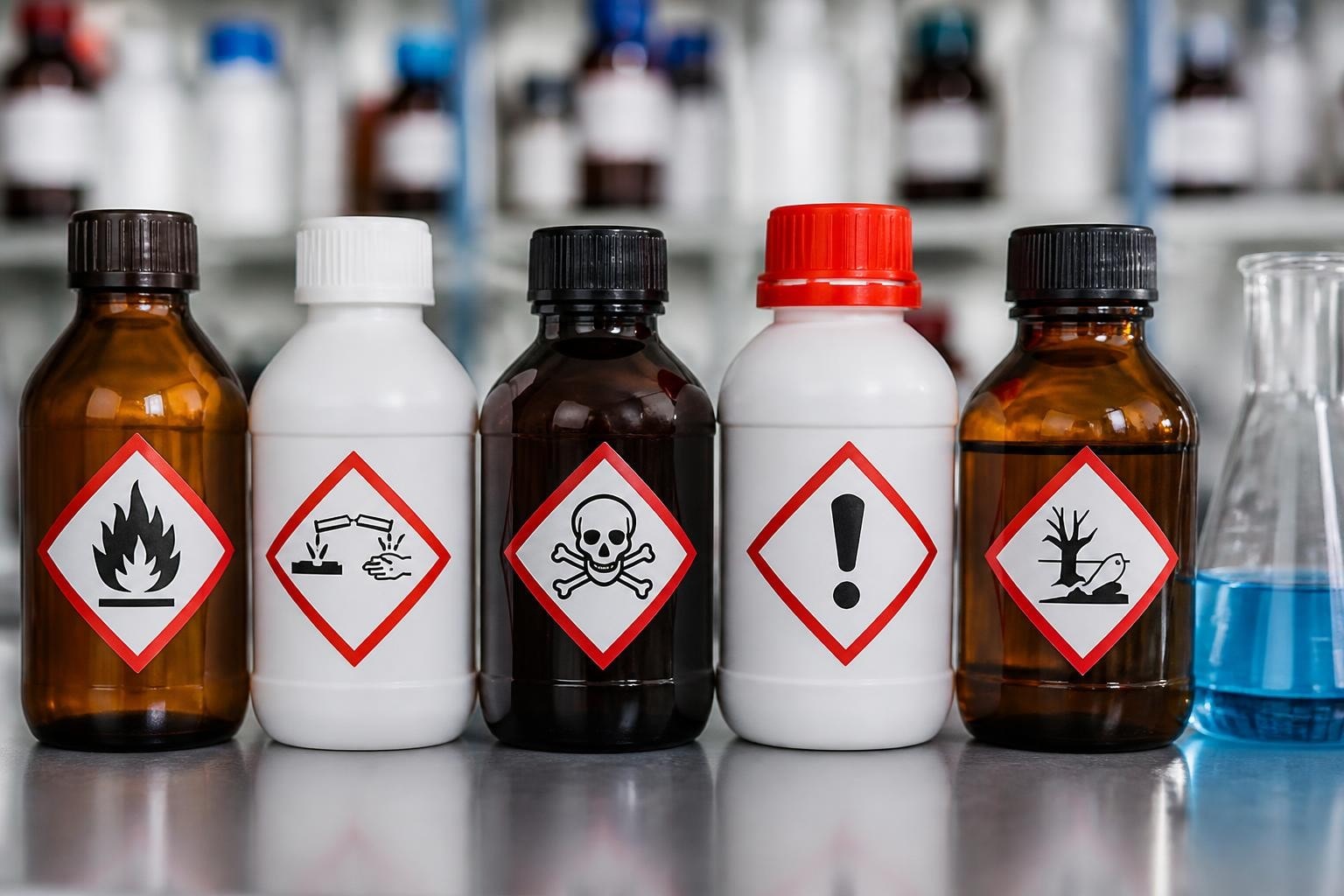
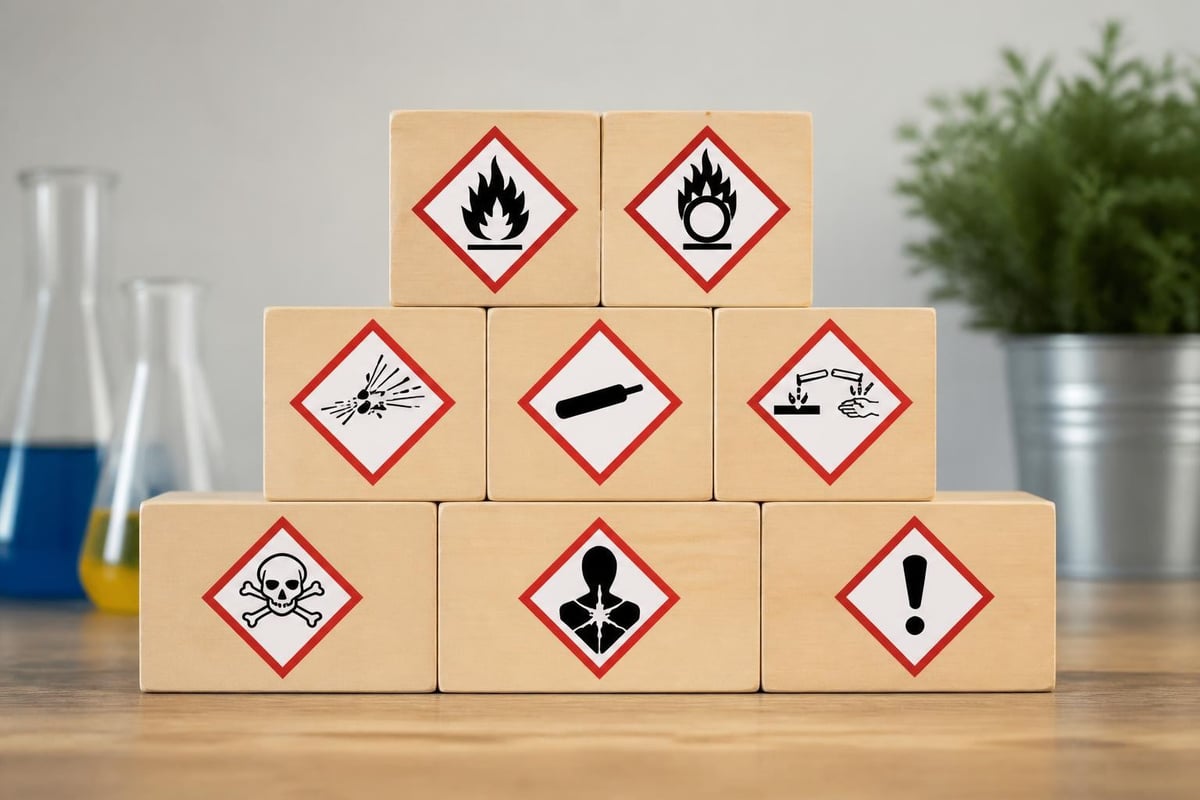
The GHS employs nine distinct pictograms, each communicating specific hazard categories through recognisable imagery. These symbols appear as black designs on white backgrounds, enclosed within red diamond borders.
Physical hazard symbols address risks associated with the inherent properties of substances:
- Flame: Indicates flammable materials, including gases, aerosols, liquids, and solids
- Flame over circle: Identifies oxidising substances that may intensify fires
- Exploding bomb: Warns of explosive materials or those prone to violent reactions
- Gas cylinder: Denotes gases under pressure, including compressed and liquefied forms
- Corrosion: Signals substances that cause severe skin burns or material corrosion
Health hazard symbols communicate risks to human wellbeing:
- Skull and crossbones: Indicates acute toxicity with potentially fatal consequences
- Health hazard: Warns of serious health effects including carcinogenicity, respiratory sensitisation, and organ damage
- Exclamation mark: Identifies less severe health hazards such as skin irritation and eye damage
The environmental hazard pictogram features a dead fish and tree, alerting users to substances toxic to aquatic environments.
Specialised Hazard Symbol Systems
Beyond the GHS framework, several specialised systems communicate specific hazards within particular contexts. These complementary systems address unique risks not fully covered by standard pictograms.
The NFPA 704 Fire Diamond
The NFPA 704 standard employs a distinctive diamond-shaped symbol divided into four colour-coded sections. Emergency responders rely on this system to quickly assess hazards during incidents.
| Section | Colour | Hazard Type | Rating Scale |
|---|---|---|---|
| Top | Red | Flammability | 0-4 (none to severe) |
| Left | Blue | Health | 0-4 (none to deadly) |
| Right | Yellow | Reactivity | 0-4 (stable to explosive) |
| Bottom | White | Special hazards | Symbols (W, OX, etc.) |
Each numerical rating provides graduated information, enabling responders to make informed decisions about protective equipment and intervention strategies. The white section may contain special symbols indicating water reactivity (W), oxidisers (OX), or other specific concerns.
Biological Hazard Symbols
The biohazard symbol's distinctive design emerged from research conducted at Dow Chemical in the 1960s. Researchers tested various designs for memorability and universal recognition, ultimately selecting the current three-interlocking-circles configuration.
This symbol appears on:
- Laboratory containment areas
- Medical waste containers
- Research facilities handling infectious agents
- Transport containers for biological specimens
The World Health Organization provides comprehensive biosafety guidance that establishes international standards for biological hazard labelling and containment protocols, particularly relevant for healthcare facilities and research laboratories.
Hazard Symbol Application Across Industries
Different sectors emphasise particular hazard symbols based on their operational risks and regulatory requirements. Understanding these applications ensures appropriate safety measures.
Manufacturing and Chemical Processing
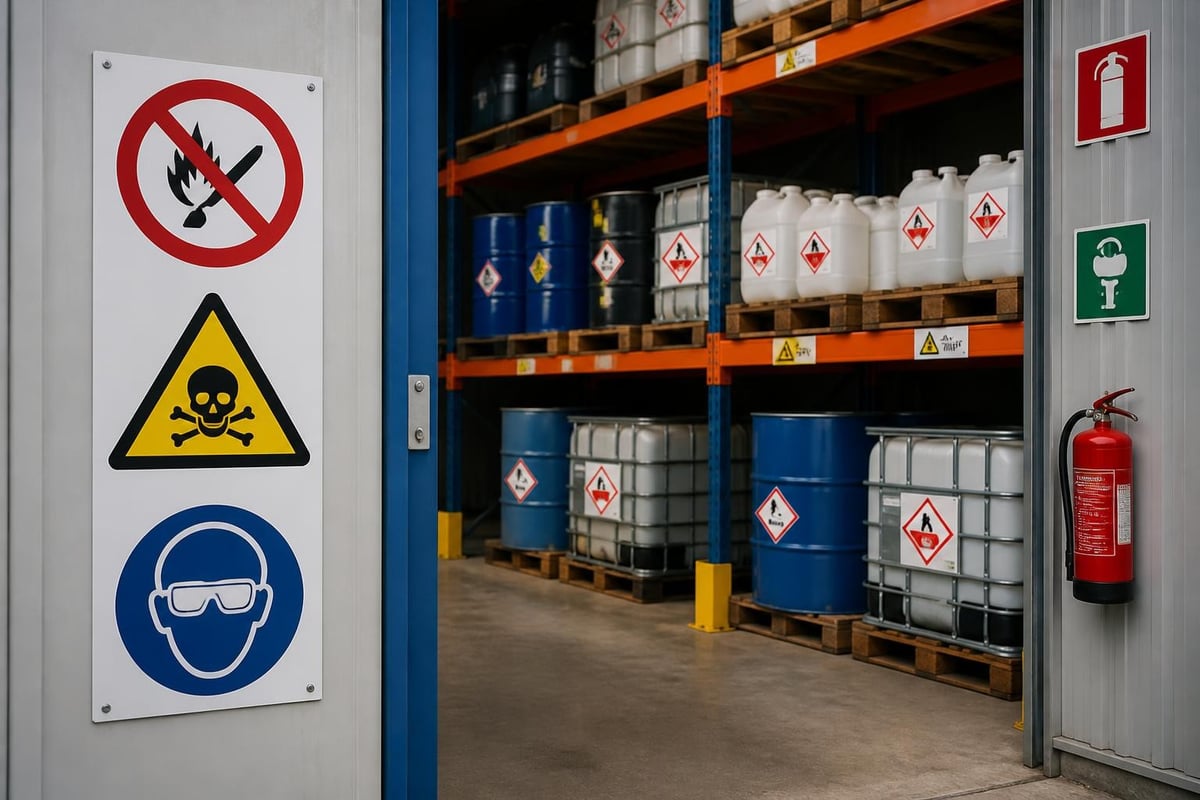
Chemical manufacturers encounter the full spectrum of GHS pictograms daily. Production facilities must display warning signs prominently at entry points, storage areas, and processing zones.
Critical implementation points include:
- Storage areas: Clearly marked with relevant symbols indicating contents
- Transfer stations: Warning of hazards during handling operations
- Waste collection points: Identifying disposal requirements
- Emergency equipment: Located with appropriate fire fighting signs nearby
Healthcare and Laboratory Settings
Medical facilities and research laboratories face unique challenges with biological, chemical, and radioactive materials. Proper signage incorporating bio-hazardous waste containers prevents cross-contamination and exposure incidents.
Laboratory safety protocols demand:
- Entrance warnings indicating biosafety levels
- Equipment labelling showing chemical hazards
- Personal protective equipment requirements via mandatory signs
- Emergency response equipment including eyewash products
Implementing Effective Hazard Symbol Programmes
Successful hazard communication extends beyond merely displaying symbols. Organisations must develop comprehensive programmes that integrate visual warnings with training, maintenance, and continuous improvement.
Symbol Selection and Placement Strategy
Choosing appropriate hazard symbols requires thorough hazard assessment and understanding of regulatory requirements. Consider these factors:
Assessment criteria include:
- Substance classification according to GHS standards
- Quantity and concentration of hazardous materials
- Potential exposure routes (inhalation, skin contact, ingestion)
- Environmental impact considerations
- Emergency response requirements
Placement guidelines ensure maximum visibility:
- Install symbols at eye level (typically 1.5-1.8 metres)
- Position signs before entry points to hazardous areas
- Ensure adequate lighting, including photoluminescent signs where power failures pose risks
- Maintain clear sight lines without obstructions
- Duplicate signage at multiple angles in large spaces
Colour Coding and Visual Hierarchy
Hazard symbols gain effectiveness through consistent colour application that builds upon natural human colour associations. The standardised palette creates instant recognition.
| Colour | Primary Use | Psychological Association | Typical Applications |
|---|---|---|---|
| Red | Danger, fire equipment | Stop, danger, heat | Fire extinguishers, emergency stops, flammability |
| Yellow | Caution, physical hazards | Attention, warning | Slip hazards, radiation, chemical storage |
| Blue | Mandatory actions | Information, calm | PPE requirements, procedural instructions |
| Green | Safe conditions, emergency exits | Safety, go | First aid, emergency equipment, safe zones |
Combining hazard symbols with appropriate prohibitory signs reinforces safety messages by telling workers both what hazards exist and what actions to avoid.
Training and Comprehension Requirements
Displaying hazard symbols fulfils only half the safety equation. Workers must understand symbol meanings and respond appropriately to warnings.
Structured Training Programmes
Effective hazard symbol training encompasses multiple learning approaches and regular reinforcement. Initial orientation should cover:
- Symbol recognition: Identifying all relevant GHS and specialised symbols
- Hazard interpretation: Understanding specific risks each symbol represents
- Appropriate responses: Knowing protective measures and emergency procedures
- Regulatory context: Comprehending legal obligations and standards
Training schedules should include:
- Comprehensive induction for new employees
- Annual refresher courses for all personnel
- Specialised training when introducing new hazards
- Emergency response drills incorporating symbol recognition
- Competency assessments with documented results
Multilingual Workforces and Symbol Universality
Hazard symbols overcome language barriers through visual communication, particularly valuable in diverse workplaces. However, supplementary text should appear in all languages spoken by employees.
Best practices include:
- Providing multilingual safety data sheets
- Installing general informational signs in multiple languages
- Conducting training in workers' native languages
- Using pictorial sequences for complex procedures
- Ensuring PPE guidance includes visual instructions

Maintenance and Compliance Management
Hazard symbols deteriorate over time through environmental exposure, physical damage, and fading. Systematic maintenance ensures continued effectiveness.
Inspection and Replacement Schedules
Regular audits identify compromised signage before visibility degrades to dangerous levels. Establish monthly inspection routines covering:
- Physical condition: Checking for cracks, tears, or detachment
- Visibility: Assessing colour fading and contrast degradation
- Accuracy: Verifying symbols match current hazards
- Completeness: Ensuring all required locations have appropriate signage
- Regulatory compliance: Confirming adherence to updated standards
Document findings systematically, prioritising replacements based on criticality. High-traffic areas and outdoor installations typically require more frequent attention than protected indoor locations.
Regulatory Compliance and Documentation
Maintaining compliance with hazard symbol regulations involves ongoing attention to evolving standards and thorough record-keeping. Organisations must track:
| Documentation Type | Retention Period | Key Contents |
|---|---|---|
| Hazard assessments | Duration of use + 3 years | Risk identification, classification decisions |
| Training records | Employment + 5 years | Dates, content covered, competency results |
| Inspection logs | Minimum 2 years | Deficiencies found, corrective actions |
| Incident reports | Permanent | Symbol-related failures, near misses |
Regular compliance audits should examine signage against current inventory, confirming all hazardous substances, equipment, and areas receive appropriate marking. When regulations change, update programmes promptly to maintain legal compliance and optimal protection.
Integration with Broader Safety Systems
Hazard symbols function most effectively as components within comprehensive safety management frameworks. Coordinating visual warnings with other protective measures creates layered defence against workplace hazards.
Coordinating with Personal Protective Equipment
Safety equipment requirements connect directly to hazard symbols through logical relationships. When workers encounter specific symbols, they should automatically know which protection to don.
Establish clear protocols:
- Flame symbols trigger fire-resistant clothing requirements
- Corrosion symbols mandate chemical-resistant gloves and face protection
- Health hazard symbols require respiratory protection selection
- Biohazard symbols necessitate complete barrier protection
Position PPE storage adjacent to hazard areas, with signage reinforcing the connection between symbol and required equipment. This proximity reduces compliance barriers and reinforces safe behaviours.
Emergency Preparedness and Response
Hazard symbols guide emergency response by quickly communicating critical information to responders. Integrate symbols with emergency equipment placement for rapid intervention.
Strategic positioning includes:
- Fire extinguishers near flammability symbols
- Emergency showers adjacent to corrosion warnings
- Spill kits positioned near chemical storage displaying relevant symbols
- First aid stations complementing health hazard areas
Emergency action plans should reference hazard symbols explicitly, ensuring responders understand warning meanings and appropriate interventions during high-stress situations.
Future Developments in Hazard Communication
Hazard symbol systems continue evolving alongside technological advances and improved understanding of risk communication. Several emerging trends promise enhanced safety outcomes.
Digital Integration and Smart Signage
Technology enables dynamic hazard communication that adapts to changing conditions. Digital displays can:
- Update automatically when hazards change
- Provide detailed information via QR codes
- Illuminate based on environmental sensors
- Display multilingual content on demand
- Track worker proximity and exposure duration
However, digital systems require backup provisions ensuring continued warning during power failures or technical malfunctions. Traditional static signage remains essential for reliability.
Augmented Reality and Enhanced Training
Augmented reality applications overlay hazard information onto physical environments, supporting training and operational awareness. Workers using AR-equipped devices receive:
- Real-time hazard identification and classification
- Immediate access to safety data sheets
- Step-by-step emergency response guidance
- Virtual simulation of emergency scenarios
- Competency assessment in realistic contexts
These technologies supplement rather than replace traditional hazard symbols, creating complementary layers of safety communication.
Symbol Standardisation Challenges
Despite international efforts toward harmonisation, regional variations and sector-specific requirements create ongoing standardisation challenges. Organisations operating across jurisdictions must navigate multiple regulatory frameworks.
Reconciling International Standards
Companies with global operations encounter differing implementation timelines and interpretation variations. Managing these differences requires:
- Conducting jurisdiction-specific compliance assessments
- Identifying the most stringent applicable requirements
- Implementing systems meeting all relevant standards
- Training personnel on regional variations
- Maintaining documentation demonstrating compliance
Where standards conflict, adopt the most protective approach, ensuring safety while satisfying all regulatory obligations.
Hazard symbols represent a critical foundation for workplace safety, communicating essential warnings across language barriers and industries. Proper selection, placement, maintenance, and integration of these visual warnings with comprehensive safety programmes protects workers, ensures compliance, and reduces incident risks. Whether your facility requires chemical hazard warnings, biological safety markers, or comprehensive safety signage systems, SafetySignsForSale provides the full spectrum of hazard symbols and safety equipment needed to protect your workforce and meet regulatory requirements.