


Health Hazard Symbols: Essential Guide for 2026
Understanding health hazard symbols is fundamental to maintaining a safe working environment across manufacturing, laboratory, and industrial facilities. These standardised pictograms serve as universal visual warnings that communicate specific dangers associated with chemical substances and hazardous materials. The Globally Harmonised System of Classification and Labelling of Chemicals (GHS) provides the framework that governs how these symbols appear and what they signify, ensuring consistency across international borders. For businesses operating in South Africa and globally, proper implementation of health hazard symbols isn't merely a best practice-it's a legal requirement that protects employees, visitors, and contractors from exposure to dangerous substances.
The GHS Framework and Health Hazard Pictograms
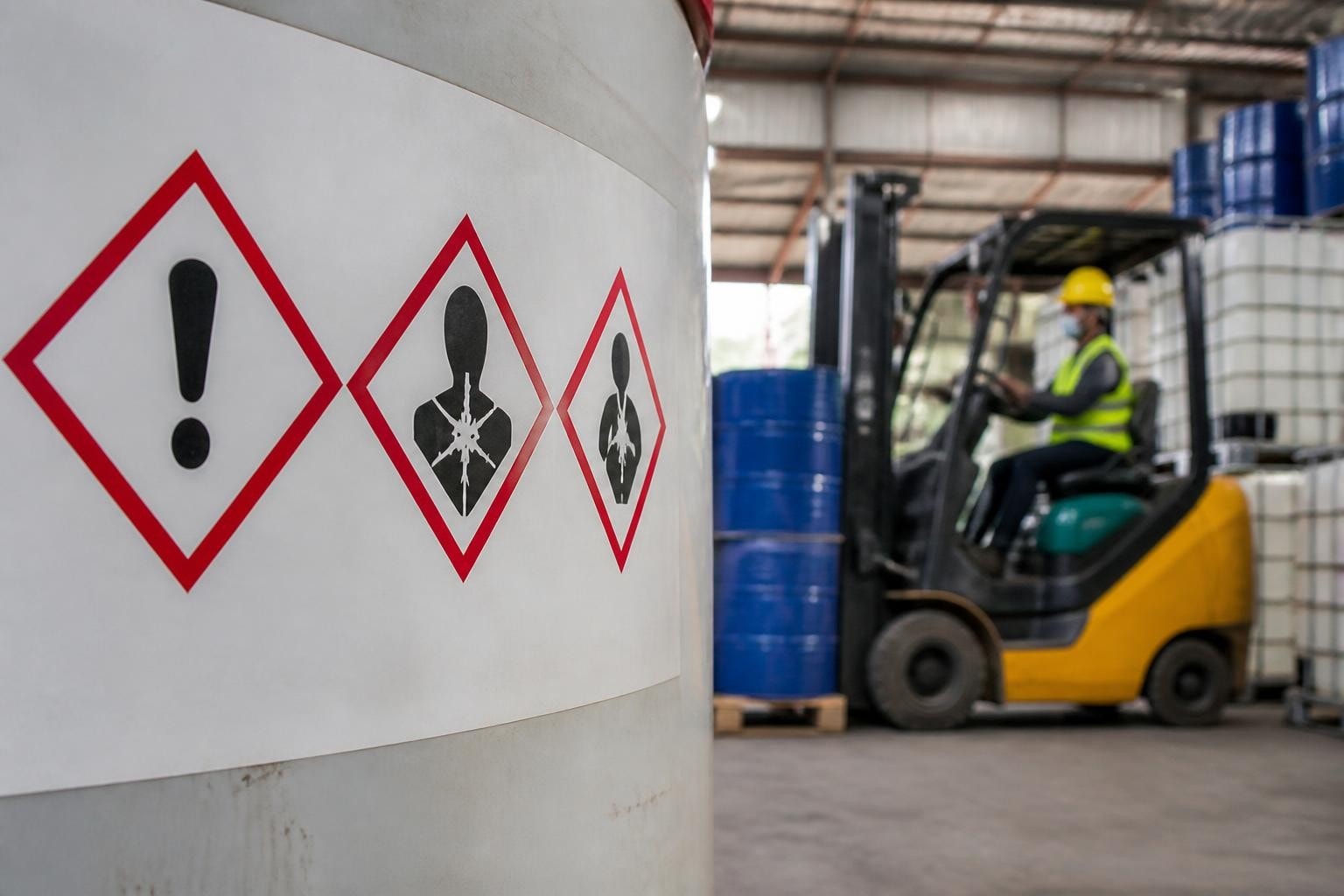
The Globally Harmonised System established a comprehensive set of nine pictograms, each representing different categories of hazards. Health hazard symbols fall within this standardised system, distinguished by their red-bordered diamond shape and black symbols on white backgrounds. Two primary pictograms communicate health-related dangers: the exclamation mark for acute toxicity and irritation, and the silhouette figure for serious health hazards including carcinogenicity, respiratory sensitisation, and reproductive toxicity.
These symbols replaced older systems that varied by country, creating confusion in international trade and workplace safety. Since South Africa adopted GHS principles, facilities must display appropriate health hazard symbols wherever hazardous chemicals are stored, handled, or transported. This harmonisation ensures that warning signs communicate consistent information regardless of a worker's native language or previous training location.
Distinguishing Between Different Health Hazard Categories
Not all health hazards present the same level or type of risk. The GHS system categorises health hazards into several distinct classifications:
- Acute toxicity (oral, dermal, inhalation)
- Skin corrosion and irritation
- Serious eye damage and irritation
- Respiratory or skin sensitisation
- Germ cell mutagenicity
- Carcinogenicity
- Reproductive toxicity
- Specific target organ toxicity (single or repeated exposure)
- Aspiration hazard
Each category requires specific health hazard symbols and accompanying text warnings. The PubChem GHS classification summary provides detailed tables linking hazard statements with their corresponding pictograms, enabling safety officers to verify correct labelling practices.

Decoding the Exclamation Mark Pictogram
The exclamation mark pictogram represents lower-severity health hazards that nonetheless require attention and protective measures. This symbol appears on substances causing acute toxicity (Category 4), skin irritation (Category 2), eye irritation (Category 2A), skin sensitisation, and specific target organ toxicity following single exposure (Category 3). Workers encountering this symbol should understand that exposure may cause discomfort, temporary impairment, or reversible health effects.
Common substances bearing this health hazard symbol include certain cleaning agents, solvents, and industrial chemicals used in everyday operations. While less severe than carcinogens or mutagens, these materials still necessitate proper handling procedures and appropriate personal protective equipment. Ignoring this pictogram can lead to chemical burns, respiratory irritation, or allergic reactions that compromise worker wellbeing and productivity.
Practical Applications in Industrial Settings
Manufacturing facilities frequently encounter products marked with the exclamation mark pictogram. Degreasers, adhesives, and surface treatments commonly require this designation. Safety managers must ensure that storage areas display corresponding safety signs and that workers receive training on proper handling techniques.
| Hazard Type | Category Level | Required Controls |
|---|---|---|
| Acute Toxicity | Category 4 | Gloves, adequate ventilation |
| Skin Irritation | Category 2 | Protective clothing, washing facilities |
| Eye Irritation | Category 2A | Safety goggles, eyewash station |
| Skin Sensitisation | Category 1 | Gloves, skin protection programme |
The table above demonstrates how different health hazard classifications necessitate varying protective measures. Facilities must match their control strategies to the specific risks indicated by health hazard symbols rather than applying generic safety protocols.
Understanding the Silhouette Figure Pictogram
The silhouette figure pictogram communicates the most serious long-term health hazards, including carcinogenicity, mutagenicity, reproductive toxicity, respiratory sensitisation, and target organ toxicity from repeated exposure. This symbol demands heightened attention because the associated health effects may not manifest immediately but can cause irreversible damage or life-threatening conditions over time.
Substances marked with this health hazard symbol require stringent control measures, including engineering controls such as fume hoods, specialised ventilation systems, and comprehensive medical surveillance programmes. Workers handling these materials must receive extensive training on exposure routes, early warning signs of overexposure, and emergency response procedures. The NCBI guidance on evaluating hazards provides authoritative information on interpreting these symbols within laboratory safety contexts.
Categories Requiring the Silhouette Pictogram
Carcinogens (Categories 1A, 1B, and 2) represent materials known or suspected to cause cancer. These substances demand the highest level of control, often requiring substitution with less hazardous alternatives where feasible. When substitution isn't possible, administrative controls and personal protective equipment become critical barriers between workers and exposure.
Respiratory sensitisers can trigger allergic reactions in the respiratory system, potentially leading to occupational asthma. Unlike simple irritants, sensitisation may occur after minimal exposure, and subsequent exposures can provoke severe reactions even at low concentrations. This makes proper labelling with health hazard symbols essential for protecting previously unexposed workers.
Reproductive toxins affect fertility or cause harm to developing foetuses. Women of childbearing age and expectant mothers require specific protections when these materials are present in the workplace. Safety protocols must account for these vulnerable populations through job rotation, exposure monitoring, and access restrictions.

Implementation Requirements for South African Businesses
South African businesses must comply with the Occupational Health and Safety Act and its associated regulations regarding hazardous chemical substances. These regulations mandate that containers holding hazardous materials display appropriate health hazard symbols alongside other required label elements including product identifiers, supplier information, signal words, hazard statements, and precautionary statements.
Beyond container labelling, facilities must incorporate health hazard symbols into their broader safety signage strategy. Storage areas, processing zones, and disposal locations all require mandatory signs that communicate required protective equipment and handling procedures. This multi-layered approach ensures that workers receive hazard information at every potential exposure point.
Label Elements Working Alongside Health Hazard Symbols
Effective chemical safety communication relies on several complementary elements:
- Product identifier matching the Safety Data Sheet
- Supplier identification including contact information
- Signal word (Danger or Warning) indicating severity
- Hazard statements (H-codes) describing specific risks
- Precautionary statements (P-codes) specifying preventive measures
- Health hazard symbols providing visual risk identification
Each element reinforces the others, creating redundancy that accommodates different learning styles and work situations. Visual learners benefit from health hazard symbols, while those preferring detailed information can reference hazard statements and precautionary measures.
Training Workers to Recognise and Respond
Even the most comprehensive health hazard symbols programme fails without proper worker training. Employees must not only recognise these pictograms but also understand their implications and know appropriate responses. Training programmes should cover symbol meanings, exposure routes, control measures, emergency procedures, and the location of first aid equipment and eyewash products.
Effective training extends beyond initial orientation. Annual refresher courses, toolbox talks, and just-in-time training when introducing new chemicals maintain awareness and reinforce proper practices. Documentation of training activities provides evidence of compliance during regulatory inspections and demonstrates due diligence in civil liability matters.
Creating a Culture of Symbol Awareness
Progressive organisations integrate health hazard symbols into their safety culture through multiple touchpoints:
- Daily pre-shift meetings highlighting materials in use that day
- Visual management boards displaying common symbols and their meanings
- Competency assessments verifying workers can identify and interpret symbols
- Incident investigations examining whether symbol recognition played a role
- Near-miss reporting systems capturing close calls related to chemical handling
This comprehensive approach transforms health hazard symbols from static warning labels into active elements of daily safety practice. Workers develop automaticity in symbol recognition, enabling split-second decisions that prevent exposures.
Storage and Handling Area Signage
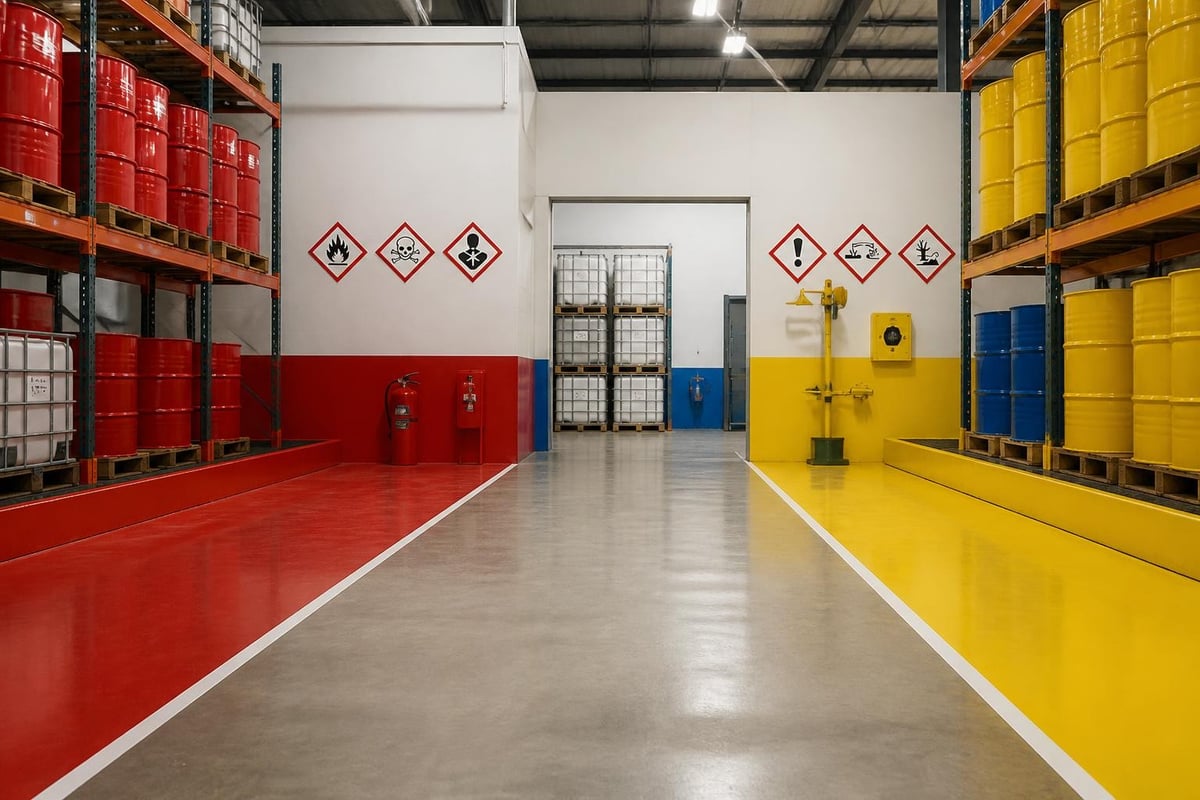
Designated chemical storage areas require prominent display of health hazard symbols matching the materials contained within. General informational signs complement these pictograms by providing additional context about storage requirements, incompatible materials, and emergency contact information. This layered communication strategy ensures that anyone entering the area immediately understands the nature of hazards present.
| Storage Area Type | Required Signage | Additional Controls |
|---|---|---|
| Flammable liquids | Fire hazard + Health symbols | Fire suppression, grounding |
| Corrosives | Corrosion + Health symbols | Spill containment, neutralising agents |
| Toxic substances | Skull + Health symbols | Restricted access, inventory tracking |
| Oxidisers | Flame over circle + Health symbols | Segregation, non-combustible shelving |
Modern facilities often employ colour-coding systems that reinforce health hazard symbols. Red zones for flammables, yellow for oxidisers, and white for corrosives create visual distinctions that supplement pictogram-based warnings. This redundancy accommodates workers with colour vision deficiencies whilst maintaining clear hazard communication.
Safety Data Sheets and Symbol Cross-Referencing
Every hazardous chemical must have an accompanying Safety Data Sheet (SDS) providing detailed hazard information. Section 2 of the SDS specifically addresses hazard identification and lists applicable health hazard symbols alongside signal words and hazard statements. Safety officers should cross-reference container labels against SDS information to verify accuracy and completeness.
Discrepancies between labels and SDS documentation may indicate outdated materials, improper transfers to secondary containers, or supplier errors. Establishing a systematic verification process prevents confusion and ensures workers receive consistent hazard information. Digital SDS management systems can flag these inconsistencies automatically, streamlining compliance efforts.
Secondary Container Labelling Challenges
Transferring chemicals from original containers to secondary containers creates labelling challenges. Regulations require that secondary containers display the same health hazard symbols and essential information as primary packaging. Small containers may use abbreviated labels, but health hazard symbols must always appear alongside chemical identity and primary hazards.
Facilities using numerous secondary containers often develop standardised label templates incorporating common health hazard symbols. Pre-printed labels for frequently transferred materials reduce errors and save time. However, workers must receive training on proper label selection to ensure secondary containers accurately reflect their contents.
Emergency Response and Health Hazard Symbols
During chemical emergencies, responders rely heavily on health hazard symbols for rapid hazard assessment. These pictograms communicate critical information when time is limited and detailed SDS review isn't feasible. Emergency teams should train specifically on using symbol information to guide initial response actions, including evacuation decisions, containment strategies, and decontamination procedures.
Facilities should integrate health hazard symbols into their emergency response plans, creating quick-reference guides that link specific pictograms to appropriate response protocols. For instance, materials bearing the silhouette figure symbol may require different decontamination approaches than those showing only the exclamation mark. Emergency showers and eyewash stations should be clearly marked and accessible from areas where health hazard symbols indicate corrosive or toxic materials.
Maintaining Compliance Through Regular Audits
Health hazard symbols must remain visible, legible, and accurate throughout a product's lifecycle. Environmental factors including sunlight, moisture, and chemical exposure can degrade labels over time. Regular audits identify faded, damaged, or missing symbols, triggering replacement before compliance gaps emerge.
Audit checklists should systematically verify:
- Container labels display correct health hazard symbols
- Storage area signage reflects current inventory
- Secondary containers bear appropriate pictograms
- Workers can identify and interpret common symbols
- Prohibitory signs prevent unauthorised access to high-hazard areas
Quarterly audits provide reasonable frequency for most facilities, though areas with high chemical turnover may require monthly reviews. Documenting audit findings and corrective actions demonstrates ongoing compliance commitment and identifies trends requiring process improvements.
Technological Enhancements to Symbol Recognition
Progressive facilities leverage technology to enhance health hazard symbol effectiveness. Mobile applications allow workers to scan barcodes or QR codes on chemical containers, instantly accessing SDS information, handling procedures, and emergency response guidance. These tools supplement traditional symbol-based communication whilst accommodating varying literacy levels and language backgrounds.
Digital signage systems can display dynamic health hazard symbols that change based on current operations. For example, a multi-purpose room might show different pictograms depending on which chemicals are actively in use. This real-time communication surpasses static signage in adaptability whilst maintaining the universal recognition benefits of standardised symbols.
Augmented Reality Applications
Emerging augmented reality (AR) technologies overlay additional information onto physical health hazard symbols when viewed through smartphones or AR glasses. Workers scanning a pictogram might see linked training videos, proper PPE requirements, or first aid procedures. These innovations enhance symbol utility without requiring changes to the underlying GHS framework.
Early adopters report improved hazard recognition, particularly among younger workers accustomed to digital interfaces. However, facilities must maintain traditional symbol programmes as backup systems and to accommodate workers without access to technology. Health hazard symbols retain their core value as low-tech, universally accessible hazard communication tools.
International Harmonisation Benefits
The global standardisation of health hazard symbols facilitates international trade and protects workers in multinational organisations. A chemical manufactured in Europe, shipped through South Africa, and ultimately used in Asia bears consistent symbols throughout its journey. This harmonisation eliminates confusion from competing national systems and ensures that safety information translates across borders.
For South African businesses exporting products or importing chemicals, GHS-compliant health hazard symbols streamline regulatory compliance. Products meeting GHS requirements gain acceptance in most global markets without requiring relabelling or reclassification. This reduces costs whilst maintaining consistent safety communication across the supply chain.
Future Developments in Hazard Communication
The GHS system undergoes regular revisions as scientific understanding of chemical hazards evolves. The ninth revision, implemented progressively through 2026, introduces refinements to health hazard categories and symbol usage. Safety professionals must stay informed about these updates to maintain compliance and protect workers effectively.
Anticipated future developments include enhanced pictograms for nanomaterial hazards, endocrine disruptors, and environmental persistence. As regulatory bodies incorporate these emerging concerns, health hazard symbols will expand to communicate risks not fully addressed in current frameworks. Forward-thinking organisations monitor these developments, preparing to implement changes smoothly as they become mandatory.
Understanding and properly implementing health hazard symbols creates safer workplaces whilst ensuring regulatory compliance across industrial sectors. These standardised pictograms provide universal hazard communication that transcends language barriers and protects workers from chemical exposures. SafetySignsForSale offers a comprehensive range of GHS-compliant signage, from chemical storage warnings to emergency equipment markers, supporting businesses in meeting their safety obligations. Our extensive inventory ensures that facilities can source all required safety communication tools from a single trusted supplier, streamlining procurement whilst maintaining the highest safety standards.