


Yellow Safety Signs: Essential Guide for Workplace Safety
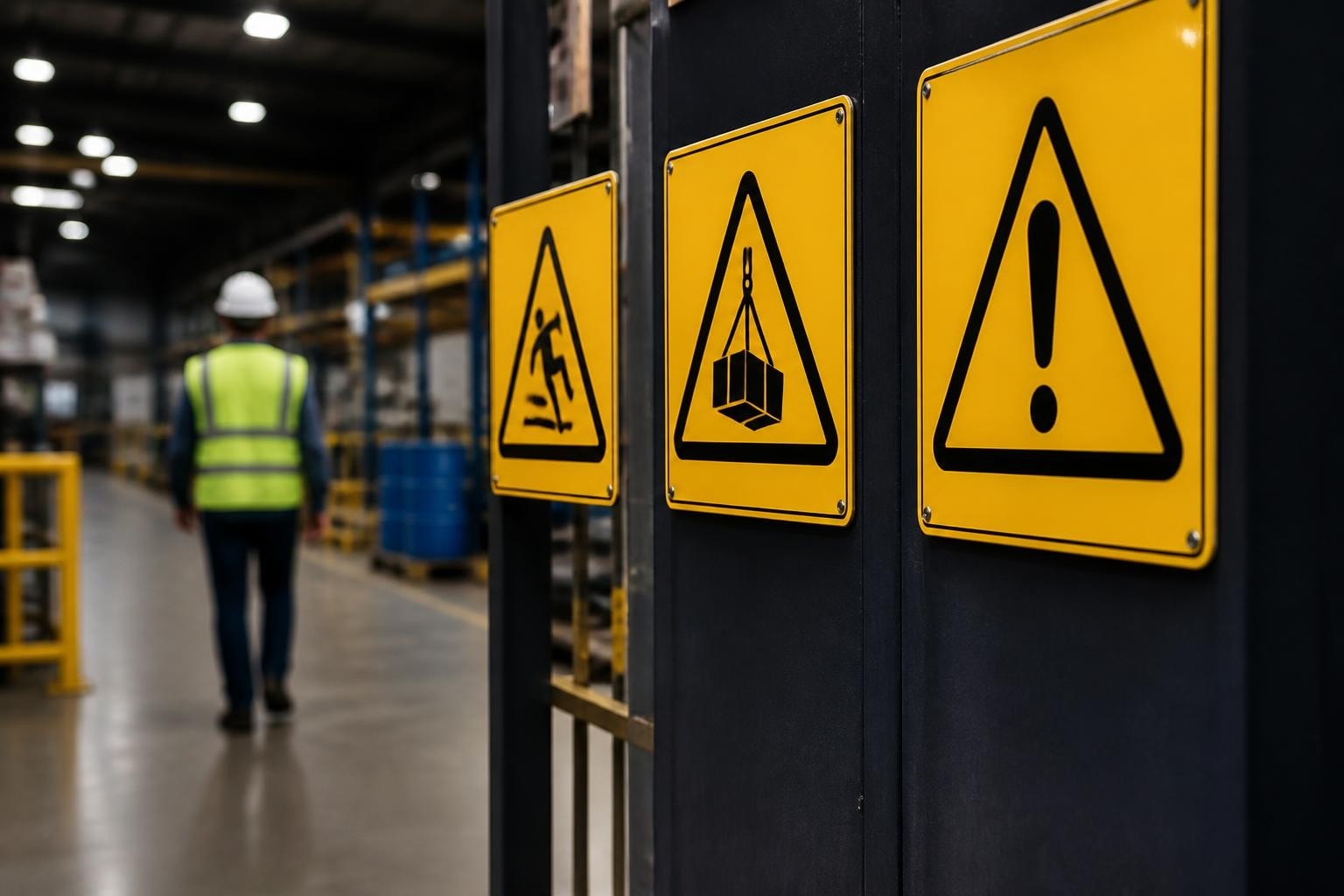
Yellow safety signs serve as critical visual communication tools in workplaces across every industry. Their distinctive colour immediately draws attention to potential hazards, creating an essential layer of protection between workers and dangerous situations. Understanding how to properly implement these warning signs can significantly reduce workplace accidents and ensure compliance with safety regulations across multiple jurisdictions.
The Colour Psychology and Regulatory Foundation of Yellow Safety Signs
Yellow has been scientifically proven to capture human attention more effectively than most other colours in the visible spectrum. This biological response makes it the ideal choice for warning signage where immediate recognition can prevent injuries or save lives. The human eye processes yellow wavelengths quickly, triggering alertness even in peripheral vision.
Global Regulatory Standards for Warning Sign Colours
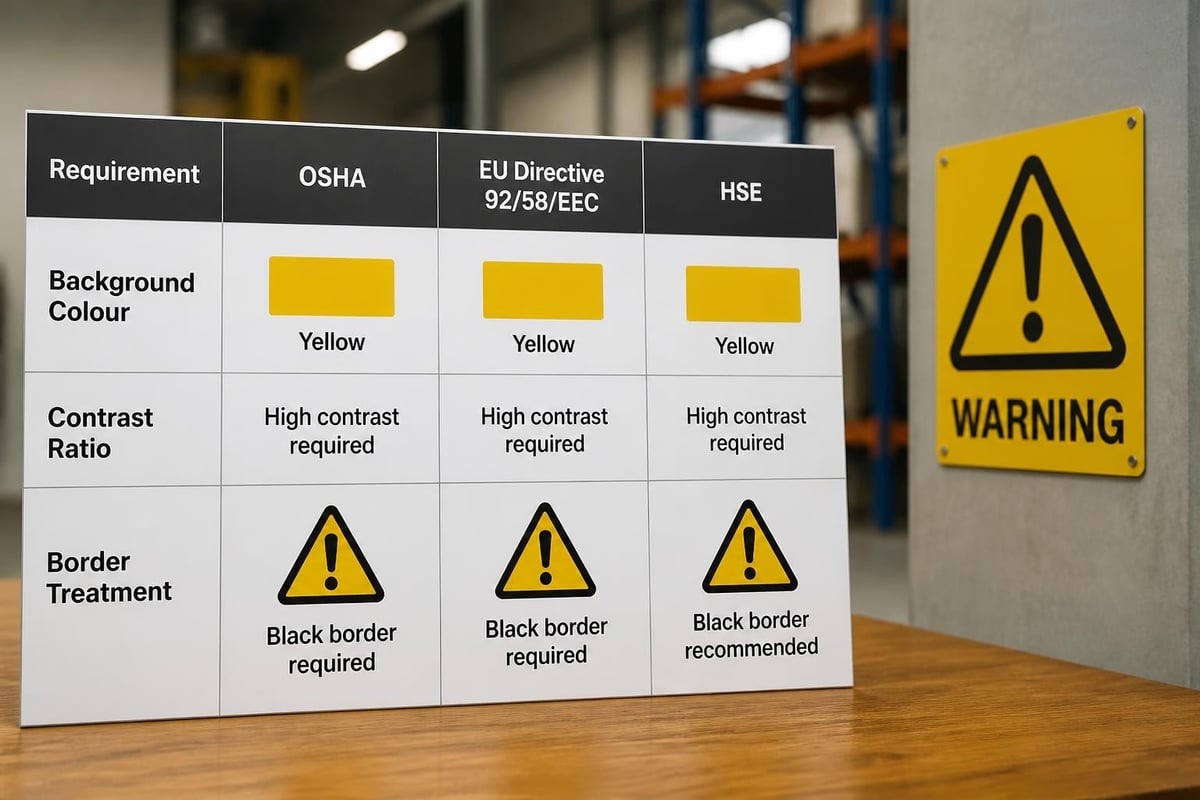
OSHA regulation 29 CFR 1910.145 establishes that caution signs must feature a yellow background in the United States. This specification creates consistency across American workplaces, ensuring workers can instantly recognise warning indicators regardless of their specific industry or location.
European workplaces follow Council Directive 92/58/EEC, which prescribes yellow or amber backgrounds for warning signs throughout Member States. This harmonisation means that yellow safety signs maintain their meaning whether workers are in Berlin, Barcelona or Birmingham.
The HSE guidance on warning signs provides comprehensive information about implementing yellow signage in UK workplaces, addressing both legal requirements and practical human factors considerations.
Types and Categories of Yellow Safety Signs
Yellow safety signs encompass a broad range of warning applications, each designed to communicate specific hazards effectively. Understanding these categories helps organisations select appropriate signage for their unique risk profiles.
Caution Signs for General Workplace Hazards
Caution signs represent the most common category of yellow safety signs. These indicators alert workers to moderate-level hazards that could result in minor to moderate injuries if proper precautions aren't observed. Typical applications include:
- Wet floor warnings in cleaning zones
- Low clearance alerts in warehouses
- Pinch point notifications near machinery
- Trip hazard markers for uneven surfaces
- Restricted access areas requiring authorisation
When browsing warning signs for your facility, consider the specific hazards present in each operational area. A comprehensive assessment ensures no risk goes unaddressed.
Chemical and Hazardous Material Warnings
Yellow safety signs play an essential role in chemical storage and handling areas. These specialised warnings communicate:
- Chemical hazard classifications (corrosive, toxic, reactive)
- Storage compatibility requirements to prevent dangerous reactions
- Personal protective equipment mandates for handlers
- Emergency response protocols specific to each substance
- Disposal procedures for contaminated materials
Pairing yellow warning signs with appropriate PPE creates a comprehensive safety system that addresses both hazard communication and worker protection.
Physical Hazard Indicators
Physical hazards require immediate visual warnings that yellow safety signs deliver effectively:
| Hazard Type | Sign Application | Critical Information |
|---|---|---|
| Overhead loads | Crane operation zones | Load capacity, swing radius |
| Moving vehicles | Forklift traffic areas | Speed limits, pedestrian priority |
| Electrical equipment | Transformer stations | Voltage levels, lockout procedures |
| Falling objects | Construction sites | Hard hat requirements, exclusion zones |
| Confined spaces | Tanks and vessels | Entry permits, atmospheric testing |
Strategic Placement and Visibility Optimisation
Proper positioning determines whether yellow safety signs effectively prevent incidents or become background noise that workers ignore. Strategic placement requires careful analysis of traffic patterns, sightlines and operational workflows.
Height and Distance Considerations
Position yellow safety signs at eye level whenever possible, typically between 1.5 and 2 metres from the ground. This placement ensures maximum visibility for standing workers whilst remaining accessible for maintenance and replacement. In areas where workers operate machinery whilst seated, adjust sign height accordingly to maintain direct sightlines.
The National Sign Handbook provides detailed guidance on legibility distances, demonstrating that sign size must increase proportionally with viewing distance. A sign meant to be read from 10 metres requires significantly larger text than one viewed at 2 metres.
Lighting and Contrast Enhancement
Yellow safety signs lose effectiveness in poorly lit environments. Three solutions address this challenge:
Standard illumination: Install dedicated lighting to ensure signs remain visible during all operational hours, including overnight shifts and emergency situations.
Reflective materials: Specify retroreflective surfaces that bounce light back toward the source, making signs visible in headlamp beams and torch light.
Photoluminescent options: Consider photoluminescent signs that absorb ambient light and glow during power failures, maintaining safety communication when traditional lighting fails.
Material Selection and Durability Requirements
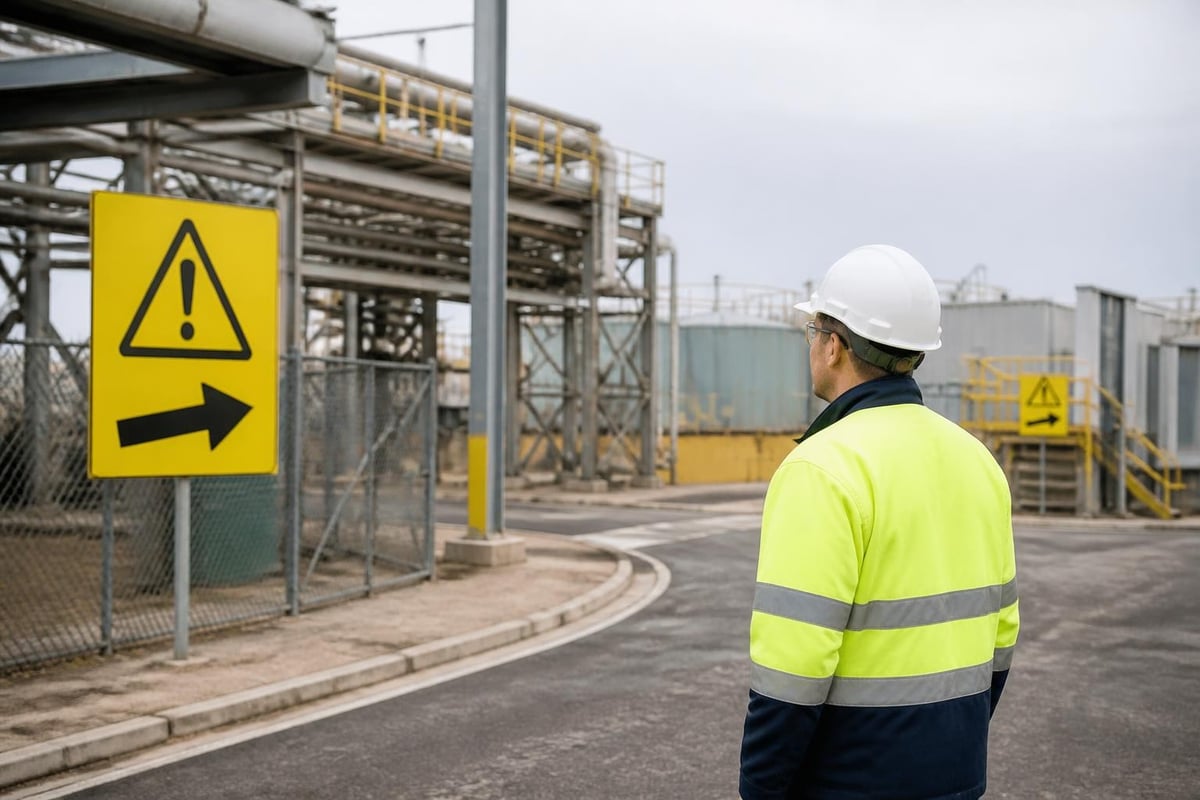
The physical construction of yellow safety signs directly impacts their longevity and continued effectiveness. Different environments demand specific material characteristics to maintain visibility and structural integrity.
Indoor Applications
Climate-controlled indoor environments offer the most forgiving conditions for yellow safety signs. Options include:
- Rigid plastic substrates: Lightweight, cost-effective, suitable for wall mounting
- Aluminium composite panels: Durable, professional appearance, resistant to warping
- Adhesive vinyl: Flexible application to irregular surfaces, temporary installations
- Laminated paper: Budget-friendly for short-term use or frequently updated information
Indoor signs typically last between three and seven years before fading or physical damage necessitates replacement. Regular inspections ensure signs remain legible and properly secured.
Outdoor and Harsh Environment Solutions
Exterior yellow safety signs face UV radiation, temperature extremes, precipitation and wind loading. These conditions require premium materials:
| Material | Key Benefits | Typical Lifespan | Best Applications |
|---|---|---|---|
| Marine-grade aluminium | Corrosion resistance, wind tolerance | 10-15 years | Coastal facilities, chemical plants |
| UV-stabilised polyethylene | Impact resistance, colour retention | 7-10 years | Construction sites, outdoor storage |
| Porcelain enamel steel | Extreme durability, graffiti resistance | 20+ years | Permanent installations, high-traffic areas |
| Weather-resistant composites | Lightweight, non-corrosive | 8-12 years | Transportation hubs, utilities |
Integration with Comprehensive Safety Systems
Yellow safety signs function most effectively when integrated into broader safety management frameworks. Isolated signage rarely achieves optimal hazard mitigation without supporting elements and procedures.
Complementary Signage Hierarchies
Effective facilities employ a complete spectrum of safety communication tools. Yellow safety signs work alongside:
- Red prohibition signs: Clearly stating forbidden actions
- Blue mandatory signs: Specifying required behaviours or equipment
- Green informational signs: Directing workers to safety equipment and emergency exits
Browse the complete range of safety signs to develop a cohesive visual language throughout your facility. Consistency in design, mounting and positioning reinforces learning and improves compliance.
Physical Barriers and Engineering Controls
Warning signs should never substitute for proper engineering controls when feasible. Yellow safety signs serve their intended purpose when they:
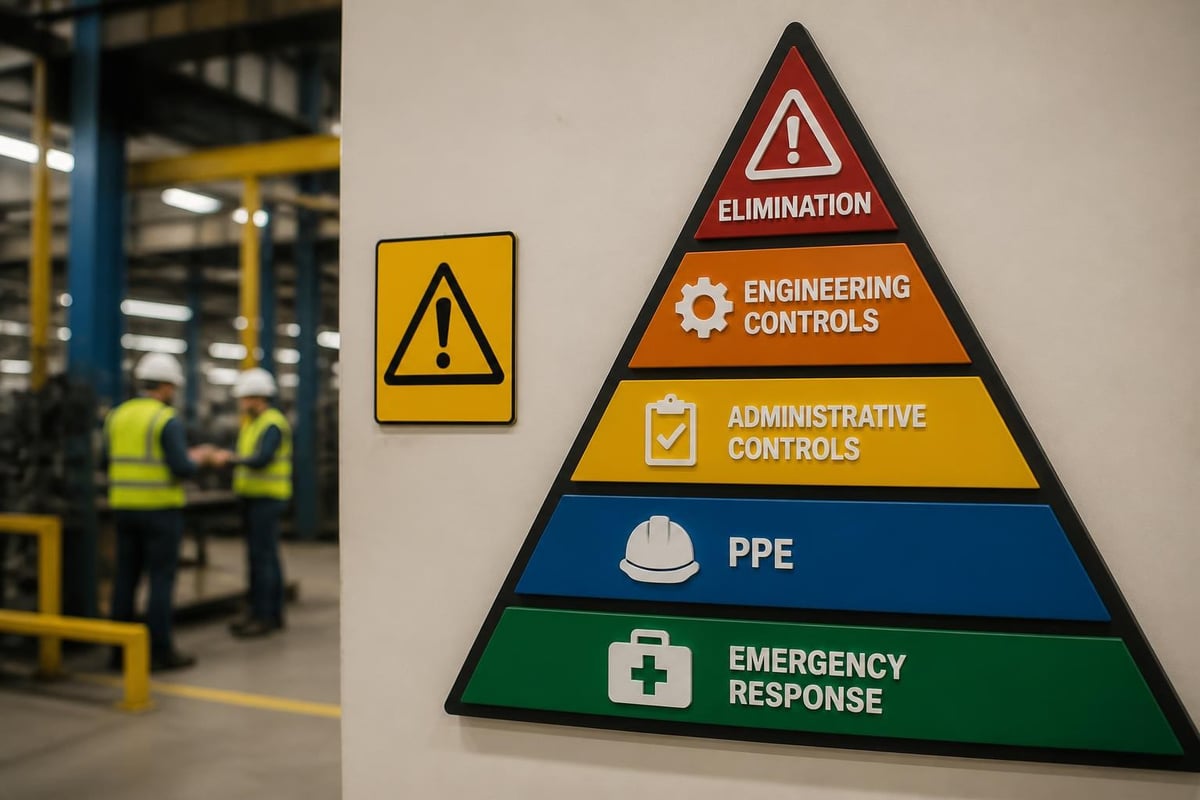
- Alert workers to residual risks that engineering controls cannot eliminate
- Reinforce the presence of physical barriers like guardrails or machine guards
- Communicate temporary hazards during maintenance or construction activities
- Provide information that enhances situational awareness in complex environments
Pairing yellow safety signs with appropriate fire equipment and first aid equipment creates defence-in-depth protection that addresses prevention, response and recovery.
Maintenance Schedules and Inspection Protocols
Even the highest-quality yellow safety signs deteriorate over time. Systematic inspection and maintenance programmes preserve their protective value and ensure continued regulatory compliance.
Monthly Visual Inspections
Designate responsibility for monthly sign audits that assess:
- Legibility: Text and symbols remain clearly readable from intended distances
- Colour fidelity: Yellow backgrounds maintain sufficient brightness and contrast
- Physical condition: No cracks, warping, corrosion or missing fasteners
- Proper positioning: Signs haven't been relocated or obscured by equipment or materials
- Relevance: Warnings still match current hazards and operational conditions
Document inspection findings and prioritise remediation based on risk severity. A partially obscured sign warning of overhead electrical hazards demands immediate attention, whilst minor edge wear on a caution sign can await the next scheduled replacement cycle.
Annual Comprehensive Reviews
Conduct thorough annual assessments that evaluate the entire yellow safety sign programme:
Coverage analysis: Walk through every operational area to identify new hazards requiring signage or outdated warnings that no longer apply.
Effectiveness measurement: Review incident reports to determine whether sign-related hazards resulted in accidents, suggesting inadequate warnings or poor placement.
Technology updates: Consider whether newer sign technologies (digital displays, smart sensors, multilingual options) could improve communication.
Regulatory compliance verification: Confirm all yellow safety signs meet current standards, as requirements occasionally change through updated legislation or industry guidelines.
Multilingual and Pictogram Considerations
Modern workplaces increasingly employ diverse teams with varying language proficiencies. Yellow safety signs must communicate effectively regardless of workers' native languages or literacy levels.
Symbol-Based Communication
Well-designed pictograms transcend language barriers entirely. The CCOHS resources provide guidance on selecting universally recognised symbols that communicate hazards without relying on text. Effective pictorial warnings:
- Use simple, bold graphics that remain clear at distance
- Avoid cultural symbols that may carry different meanings across regions
- Maintain consistency with ISO 7010 standardised safety symbols
- Combine images with minimal text for reinforcement
Bilingual and Multilingual Text
Facilities employing workers who speak multiple languages should implement yellow safety signs featuring parallel text in relevant languages. This approach requires:
Hierarchy planning: Determine which language appears first based on workforce demographics whilst ensuring equal prominence and legibility for all versions.
Space allocation: Design sign layouts that accommodate longer translations without reducing text size below minimum legibility thresholds.
Professional translation: Engage qualified translators familiar with safety terminology rather than relying on automated services that may introduce dangerous ambiguities.
Consistent terminology: Maintain standardised translation of technical terms across all signage to avoid confusion from synonyms or regional variations.
Training and Cultural Reinforcement
Yellow safety signs only protect workers who understand their meaning and take appropriate action upon encountering them. Effective organisations embed sign comprehension into comprehensive safety training programmes.
Induction and Orientation Sessions
New employee orientations should include dedicated segments on facility signage systems:
- Colour coding explanation: Teach the meaning of yellow versus red, blue and green backgrounds
- Symbol familiarisation: Review common pictograms workers will encounter in their specific roles
- Response expectations: Clarify what actions different warning categories require
- Reporting procedures: Establish channels for workers to report missing, damaged or unclear signage
- Practical walkthroughs: Conduct tours highlighting actual yellow safety signs in situ
Ongoing Reinforcement Activities
Regular safety communications should reference specific yellow safety signs to maintain awareness:
- Toolbox talks: Use nearby signs as visual aids during pre-shift safety discussions
- Incident investigations: When accidents occur, examine whether signage was adequate, visible and understood
- Safety competitions: Include sign identification and meaning in safety knowledge contests
- Visual management boards: Display photographs of facility signs with explanations of their specific warnings
Industry-Specific Applications and Best Practices
Different sectors face unique hazards that require tailored approaches to yellow safety sign implementation. Understanding industry-specific considerations ensures appropriate protection for your particular operational context.
Manufacturing and Industrial Facilities
Manufacturing environments present complex, evolving hazard landscapes that demand comprehensive yellow safety sign coverage:
- Machine guarding zones: Warnings at pinch points, rotating equipment and cutting operations
- Material handling areas: Forklift traffic routes, loading docks and overhead crane paths
- Process equipment: Chemical reactors, high-temperature operations and pressure vessels
- Maintenance access: Lockout/tagout requirements and confined space entry protocols
Coordinate yellow safety signs with mandatory signs that specify required protective equipment near specific hazards.
Construction and Temporary Work Sites
Construction sites require flexible yellow safety sign deployment that adapts to changing conditions:
Mobile signage: Use portable stands and barriers that relocate as work progresses through different areas
Weather resistance: Specify materials that withstand outdoor exposure without rapid deterioration
High visibility: Employ larger formats and reflective treatments for increased visibility amidst visual clutter
Temporary installations: Balance durability requirements against the short-term nature of construction phases
Healthcare and Laboratory Settings
Medical facilities and research laboratories face specialised hazards requiring specific yellow safety sign applications:
| Hazard Category | Warning Requirements | Additional Considerations |
|---|---|---|
| Biological agents | Biohazard symbols, containment levels | Coordinate with waste disposal procedures |
| Radiation sources | Ionising radiation warnings, dose information | Include monitoring and protective distance data |
| Chemical storage | Compatibility groups, reactivity warnings | Reference SDS availability and spill procedures |
| Sharps disposal | Puncture hazard alerts, proper container use | Emphasise infection control protocols |
| Oxygen-enriched atmospheres | Fire risk warnings, smoking prohibitions | Highlight incompatible materials |
Integrate yellow safety signs with first aid equipment placement to ensure workers can quickly locate emergency response resources.
Digital Augmentation and Smart Safety Technologies
Emerging technologies are expanding the capabilities of traditional yellow safety signs whilst maintaining the immediate recognition that makes them effective.
Dynamic Digital Displays
Electronic signs with yellow backgrounds can communicate variable warnings based on real-time conditions:
- Weather-responsive messages: Adjust warnings for wind, rain or temperature extremes
- Process monitoring integration: Alert workers when equipment exceeds safe parameters
- Occupancy tracking: Activate warnings when workers enter restricted zones
- Scheduled updates: Automatically change messages for different shifts or operational modes
QR Code Enhancement
Adding QR codes to yellow safety signs bridges physical warnings with detailed digital information:
Extended instructions: Link to comprehensive procedures too detailed for sign text
Video demonstrations: Provide visual guidance on proper protective measures or emergency responses
Multilingual access: Allow workers to select their preferred language for detailed information
Training records: Track which employees have accessed specific safety information
Incident reporting: Enable immediate hazard reporting through mobile devices
Cost-Benefit Analysis and Return on Investment
Organisations sometimes view yellow safety signs as pure compliance expenses rather than value-generating investments. Rigorous analysis reveals substantial returns through accident prevention and operational improvements.
Direct Cost Avoidance
Each prevented workplace incident generates measurable savings:
- Medical expenses: Treatment costs, rehabilitation, ongoing care for injured workers
- Workers' compensation: Insurance premiums, claim settlements, litigation expenses
- Lost productivity: Absent worker replacement, reduced output, training for substitutes
- Equipment damage: Repairs or replacement of machinery damaged during incidents
- Regulatory penalties: Fines, increased inspection frequency, potential operational shutdowns
Indirect Value Creation
Beyond direct cost avoidance, effective yellow safety signs contribute to:
Enhanced reputation: Demonstrable safety commitment attracts quality employees and preferred customer status
Insurance optimisation: Strong safety records reduce premium costs and improve coverage terms
Operational efficiency: Fewer disruptions from incidents maintain production schedules and delivery commitments
Employee morale: Workers feel valued when organisations invest in their protection, improving retention and engagement
Yellow safety signs represent a foundational element of workplace hazard communication, combining regulatory compliance with practical injury prevention. Their distinctive colour and strategic placement create immediate awareness that protects workers across every industry.
Whether you're establishing a new facility, upgrading existing safety infrastructure or addressing specific compliance gaps, SafetySignsForSale offers comprehensive solutions including yellow safety signs, complementary signage categories, PPE and emergency response equipment. Our extensive product range ensures you can source all necessary safety supplies from a single trusted provider, creating cohesive protection systems that meet regulatory requirements whilst safeguarding your most valuable asset: your people.