


Yellow Sign Wet Floor: Complete Guide to Safety & Compliance
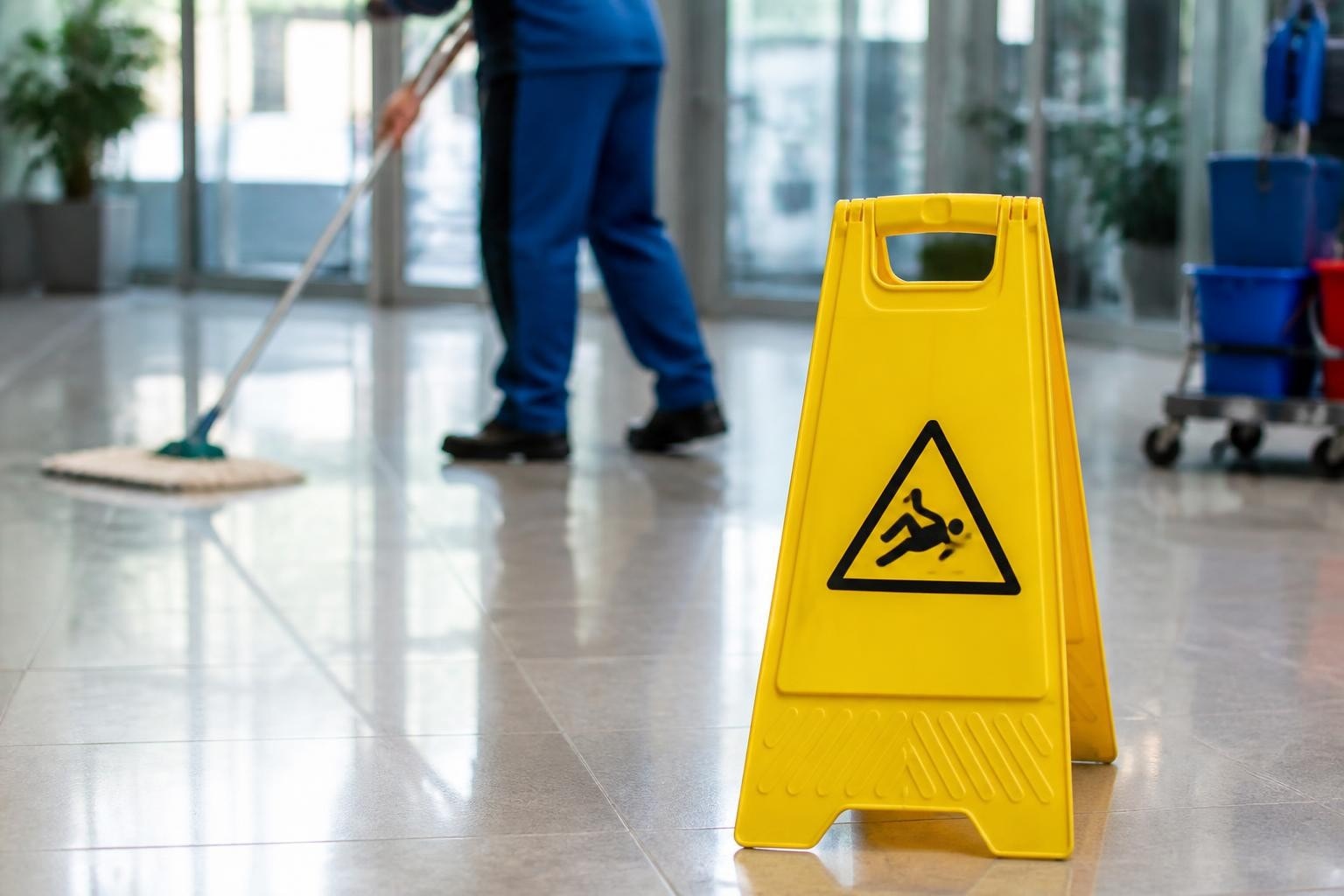
The humble yellow sign wet floor has become one of the most recognisable symbols of workplace safety across the globe. From hospitals and schools to offices and retail spaces, this simple yet effective warning device plays a crucial role in preventing slips, trips, and falls. Understanding the proper selection, placement, and regulatory requirements surrounding wet floor signage is essential for any organisation committed to maintaining a safe environment for employees, customers, and visitors. This comprehensive guide explores everything safety managers and facility operators need to know about implementing effective wet floor warning systems.
The Critical Role of Wet Floor Signage in Workplace Safety
Slip and fall incidents represent one of the most common causes of workplace injuries, accounting for thousands of lost workdays annually. The yellow sign wet floor serves as the first line of defence against these preventable accidents, providing immediate visual warning to anyone approaching a hazardous area.
Research indicates that effective signage can significantly reduce slip-related incidents when properly deployed as part of a comprehensive safety programme. According to peer-reviewed studies on signage effectiveness, the psychological impact of warning signs depends heavily on design factors including colour contrast, placement, and consistency of use.
Why Yellow Became the Universal Caution Colour
The choice of yellow for caution signage isn't arbitrary. Colour standardisation in safety signage emerged from extensive research into visual perception and recognition speeds. Yellow provides excellent visibility in most lighting conditions and creates strong contrast with typical floor surfaces.
Key advantages of yellow for safety signage include:
- High visibility in both natural and artificial lighting
- Strong contrast against common flooring materials
- Universal recognition across cultures and languages
- Distinct separation from emergency (red) and informational (blue) signage
- Compliance with international safety colour standards
The OSHA regulations specifically designate yellow as the basic colour for designating caution and marking physical hazards. This standardisation ensures consistency across industries and helps create immediate recognition amongst workers and the public.
Regulatory Compliance and Industry Standards
Understanding the regulatory landscape surrounding wet floor signage is essential for organisations seeking to maintain compliance whilst protecting their workforce. Different jurisdictions maintain specific requirements, though most align with internationally recognised colour conventions.
United States Standards and Requirements
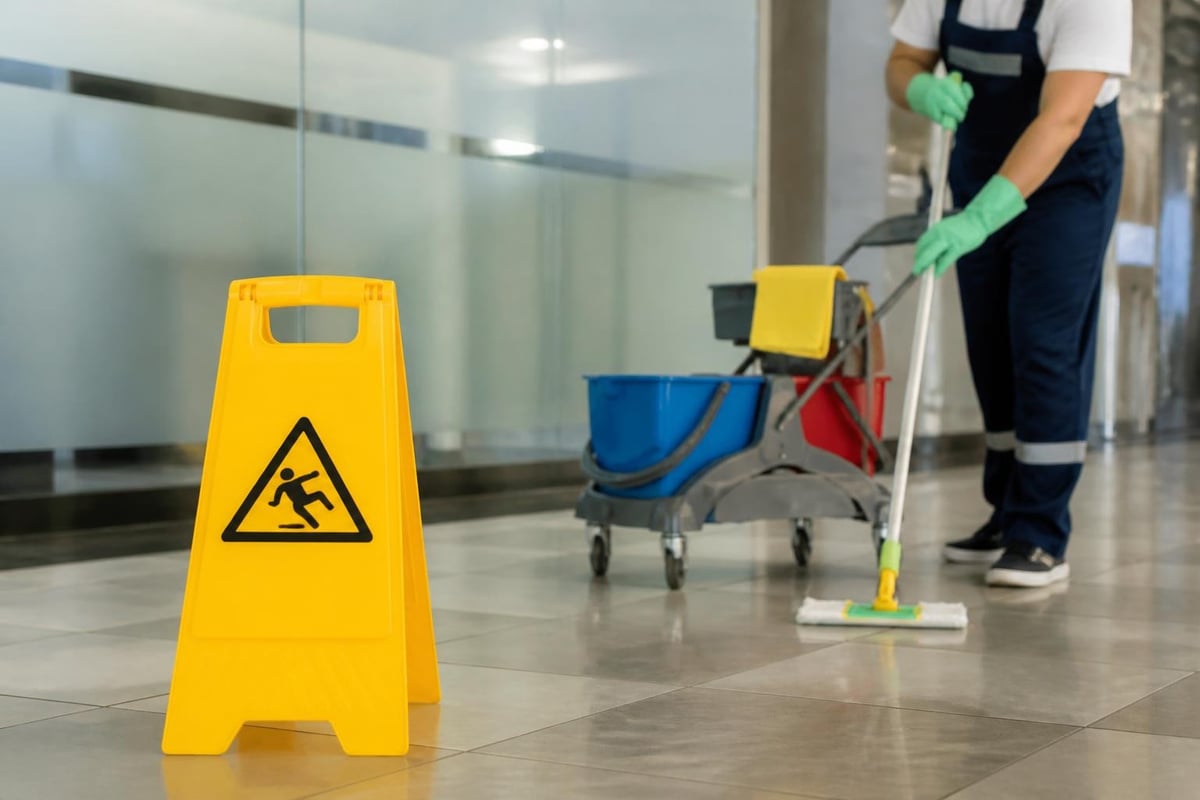
In the United States, the yellow sign wet floor falls under general duty clauses and specific OSHA guidelines related to walking-working surfaces. The ANSI Z535 family of standards provides detailed specifications for safety sign design, including colour requirements, signal word usage, and pictogram standards.
| Standard Component | Specification | Purpose |
|---|---|---|
| Background Colour | Yellow | Indicates caution-level hazard |
| Text Colour | Black | Maximum contrast and readability |
| Signal Word | "Caution" | Communicates hazard severity level |
| Pictogram | Slipping figure (optional) | Universal visual communication |
| Minimum Height | Varies by viewing distance | Ensures visibility |
Healthcare facilities face particular scrutiny regarding slip prevention. The OSHA guidance on hospital hazards emphasises that whilst signage is essential, it must be part of a broader slip prevention programme including proper cleaning procedures, appropriate flooring selection, and staff training.
United Kingdom and European Requirements
UK regulations follow the Health and Safety (Safety Signs and Signals) Regulations 1996, which implement EU Directive 92/58/EEC. The yellow sign wet floor must meet specific criteria for colour, shape, and pictogram design.
The HSE's practical guidance on preventing slips emphasises that signs should only be used during actual cleaning or when hazards are present, not as permanent fixtures. Over-reliance on signage without addressing underlying slip risks can create compliance issues and liability concerns.
Types of Yellow Wet Floor Signs and Their Applications
Modern wet floor warning systems come in various formats, each designed for specific environments and applications. Selecting the appropriate type ensures maximum visibility and effectiveness.
Traditional A-Frame Signs
The classic folding A-frame remains the most common yellow sign wet floor configuration. These signs offer stability, high visibility, and easy storage.
Advantages of A-frame designs:
- Stable in moderate foot traffic
- Visible from multiple angles
- Collapsible for storage
- Available in various sizes
- Can include multi-language warnings
Cone-Style Warning Markers
Conical wet floor signs provide 360-degree visibility and work well in open spaces with traffic from all directions. These designs often incorporate sleeves for adding custom messaging.
Barrier Systems
For larger wet areas or extended cleaning operations, barrier systems connect multiple signs to create a physical boundary. These prove particularly valuable in high-traffic environments where a simple yellow sign wet floor might be overlooked or bypassed.
Multi-Lingual and Pictogram Signs
In diverse workplaces and public spaces, signs featuring multiple languages and clear pictograms ensure communication across language barriers. The universal "slipping figure" symbol has become widely recognised, supplementing or sometimes replacing text warnings.
Effective Deployment Strategies
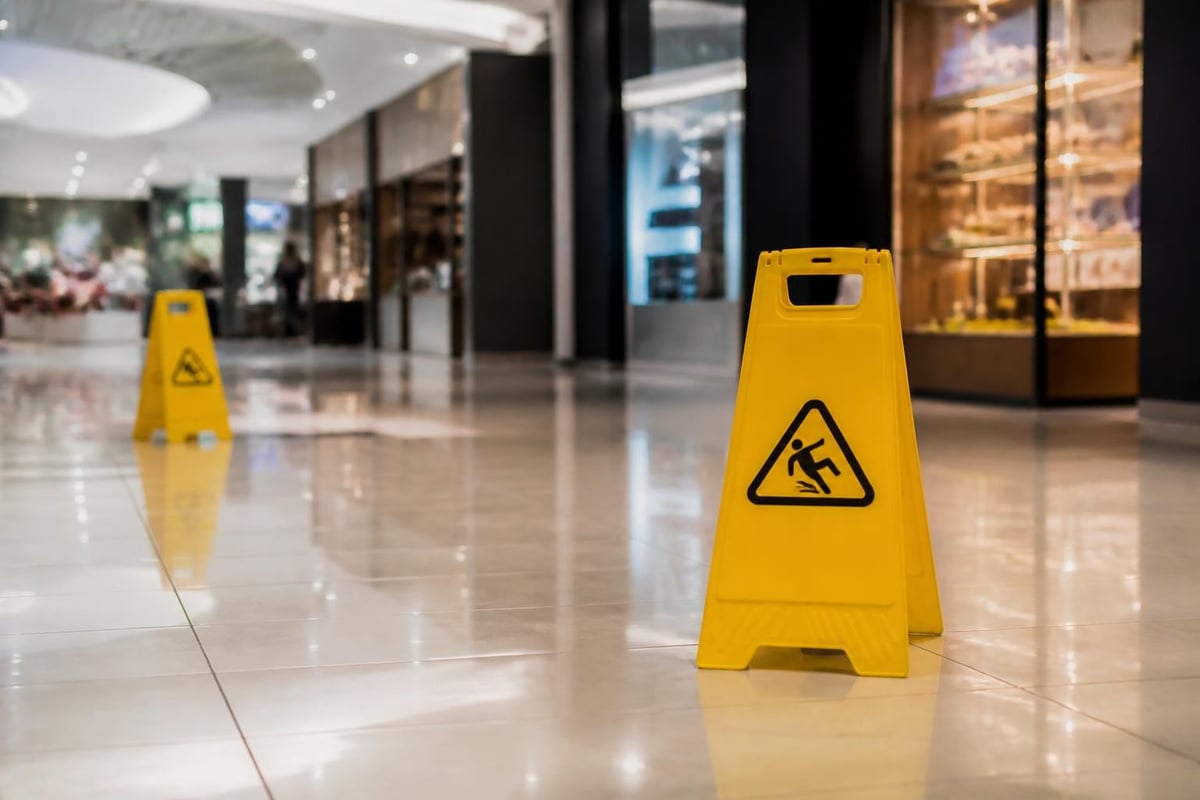
Simply purchasing a yellow sign wet floor isn't sufficient. Proper deployment requires understanding of sight lines, traffic patterns, and human behaviour patterns.
Placement Principles for Maximum Effectiveness
- Position signs before the hazard: Place warnings at all approaches to wet areas, allowing people time to slow down and exercise caution
- Ensure clear sight lines: Avoid placing signs where they're obscured by fixtures, displays, or architectural features
- Use adequate numbers: One sign rarely suffices for larger areas or spaces with multiple entry points
- Maintain appropriate distance: Position signs 2-3 metres before the hazard begins
- Consider traffic flow: Account for primary walking paths and natural movement patterns
Common Deployment Mistakes
Even well-intentioned safety programmes can fail when wet floor signs are deployed incorrectly. Understanding these pitfalls helps organisations avoid them.
| Mistake | Consequence | Solution |
|---|---|---|
| Leaving signs out permanently | Sign blindness and ignored warnings | Deploy only during actual hazards |
| Insufficient quantity | Missed warnings from certain approaches | Assess all entry points to wet areas |
| Poor positioning | Inadequate warning time | Place signs well before hazard begins |
| Faded or damaged signs | Reduced visibility and credibility | Regular inspection and replacement |
| No maintenance programme | Inconsistent deployment and storage issues | Establish clear protocols |
Research from the Consumer Product Safety Commission highlights that whilst signage plays a role in slip prevention, floor surface characteristics and cleaning methods remain primary factors. The yellow sign wet floor should complement, not replace, proper floor maintenance and slip-resistant surface selection.
Integration with Comprehensive Slip Prevention Programmes
Effective slip and fall prevention extends far beyond deploying a yellow sign wet floor. Industry best practices emphasise a systems approach addressing multiple risk factors simultaneously.
The Hierarchy of Controls Applied to Wet Floors
Safety professionals recognise that warning signs represent the least effective control measure in the hierarchy of controls. Whilst necessary, they should be the last line of defence, not the primary strategy.
Preferred control measures include:
- Elimination: Schedule cleaning during low-traffic periods to eliminate exposure
- Substitution: Use faster-drying cleaning products to reduce wet-floor duration
- Engineering controls: Install slip-resistant flooring in high-risk areas
- Administrative controls: Establish clear cleaning protocols and traffic management
- PPE and signage: Deploy appropriate footwear requirements and warning signs
Creating Standard Operating Procedures
Organisations should develop clear SOPs governing when and how the yellow sign wet floor is deployed. These procedures ensure consistency across shifts and personnel changes.
Essential SOP elements include:
- Specific triggering conditions requiring sign deployment
- Minimum number of signs for different area sizes
- Placement guidelines based on facility layout
- Sign retrieval protocols once floors are dry
- Storage locations and maintenance schedules
- Inspection criteria for replacing damaged signs
Material Selection and Durability Considerations
Not all wet floor signs perform equally. Material quality, construction methods, and design features significantly impact longevity and effectiveness.
Material Options and Their Trade-offs
Modern wet floor signs use various materials, each offering distinct advantages:
Polypropylene plastic provides excellent durability and chemical resistance, ideal for environments using harsh cleaning agents. These signs withstand repeated impacts and don't corrode.
Heavy-duty nylon offers superior strength-to-weight ratios and exceptional stability, though at a higher price point. Commercial-grade nylon signs can last for years under demanding conditions.
Multilingual signs incorporate printed or embossed text in multiple languages, essential for diverse workplaces or public facilities serving international visitors.

Special Considerations for Different Industries
Different sectors face unique challenges requiring tailored approaches to wet floor warning systems.
Healthcare Facilities
Hospitals and care homes present particular challenges due to vulnerable populations including elderly patients with mobility challenges and vision impairments. The yellow sign wet floor must be supplemented with additional precautions.
Healthcare-specific considerations include positioning signs to accommodate wheelchairs and walking aids, using signs with larger text for patients with vision difficulties, and coordinating cleaning schedules with patient movement patterns.
Retail and Hospitality
Shops, restaurants, and hotels face high public traffic and significant liability exposure. These environments require robust sign deployment protocols and staff training.
Best practices include assigning specific staff members responsibility for sign deployment, maintaining adequate sign inventory for peak periods, and establishing response protocols for spills requiring immediate signing.
Manufacturing and Warehousing
Industrial environments combine wet floor hazards with forklift traffic, heavy machinery, and distracted operators. The yellow sign wet floor must be visible amongst competing visual stimuli.
Industrial applications benefit from larger signs with reflective elements, barrier systems to physically prevent entry during cleaning, and integration with lockout/tagout procedures for equipment near wet areas.
Educational Institutions
Schools and universities balance safety with aesthetic concerns and budget constraints. The HSE guidance on school slip prevention provides evidence-based recommendations for these environments.
Educational facilities should focus on scheduling cleaning outside peak movement times, involving students in safety awareness programmes, and selecting durable signs that withstand repeated use by young workers or student staff.
Liability Considerations and Documentation
Proper deployment of the yellow sign wet floor carries legal implications. Courts examining slip and fall cases scrutinise whether appropriate warnings were provided.
Establishing Defensible Practices
Organisations can strengthen their legal position through documented procedures and consistent implementation. Key elements include written policies specifying sign deployment requirements, photographic documentation of signage placement during cleaning, maintenance logs tracking sign condition and replacement, and incident reports noting whether appropriate warnings were in place.
When Signs May Not Provide Legal Protection
Simply placing a yellow sign wet floor doesn't automatically shield organisations from liability. Courts consider whether signs were visible and appropriately positioned, if adequate numbers were deployed, whether the hazard was addressed promptly, and if underlying slip risks were mitigated through proper floor maintenance.
Maintenance and Lifecycle Management
Even the most robust yellow sign wet floor requires regular maintenance to remain effective. Establishing clear maintenance protocols ensures signs remain visible and functional.
Inspection Schedules
Monthly inspections should assess text legibility and colour vibrancy, structural integrity of hinges and bases, stability when deployed, and cleanliness of sign surfaces.
Replacement Criteria
Signs should be replaced when yellow colouring has faded significantly, text has become illegible, structural components are cracked or broken, or stability is compromised.
Storage Best Practices
Proper storage extends sign lifespan and ensures availability when needed. Store signs in designated locations accessible to cleaning staff, protect from direct sunlight to prevent fading, stack carefully to avoid warping, and maintain inventory levels appropriate to facility size.
Training Staff on Proper Sign Usage
The most sophisticated yellow sign wet floor inventory proves worthless without properly trained staff. Comprehensive training programmes cover when signs are required, correct placement techniques, and removal protocols.
Essential Training Components
- Hazard recognition: Teaching staff to identify conditions requiring signage
- Placement techniques: Demonstrating optimal positioning for different scenarios
- Quantity guidelines: Explaining how many signs different situations require
- Removal timing: Clarifying when floors are sufficiently dry
- Maintenance responsibilities: Assigning inspection and replacement duties
Creating Accountability Systems
Effective programmes include designated responsibilities, regular audits of sign deployment, and integration with cleaning quality inspections.
Emerging Technologies and Future Trends
Innovation continues in wet floor warning systems, with new technologies enhancing traditional yellow sign wet floor approaches.
Electronic Warning Systems
Digital signs with programmable messages allow customisation for specific hazards. Some incorporate sensors detecting actual moisture levels, activating warnings automatically.
Projection Systems
Floor-projection technologies cast warning symbols directly onto wet surfaces, eliminating the physical sign altogether whilst providing impossible-to-miss warnings.
Integration with Building Management Systems
Advanced facilities connect cleaning schedules with automated signage deployment, ensuring consistent warning provision whilst reducing reliance on individual staff members.
The yellow sign wet floor remains an essential component of comprehensive workplace safety programmes, serving as a visible reminder of temporary hazards and demonstrating organisational commitment to preventing injuries. When selected carefully, deployed strategically, and maintained properly, these simple warning devices significantly reduce slip and fall incidents whilst helping organisations meet regulatory obligations. For facilities seeking to enhance their safety signage programmes with high-quality, compliant wet floor signs and comprehensive safety solutions, SafetySignsForSale offers an extensive range of products designed to meet safety requirements across different industries, backed by expertise in helping organisations create safer environments for everyone.